




1. Inspect Your Tire Tread and Pressure
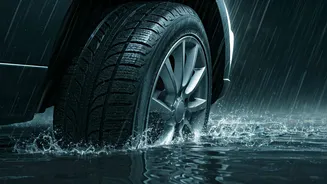
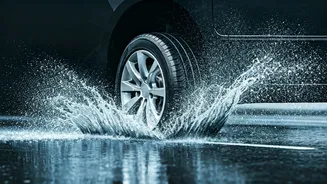
Your tires are your car's only connection to the road, and during a downpour, that connection is fragile. Monsoon rains often mix with oil and dust that have accumulated for months, creating an incredibly slick surface. Tires with deep, healthy treads
are designed to channel water away, maintaining grip and preventing hydroplaning. Before the season starts, use the 'penny test': place a penny head-down into your tire tread. If you can see all of Abraham Lincoln's head, your treads are worn down and it’s time for new tires. Also, check your tire pressure. Properly inflated tires provide better stability and braking, which are critical when you suddenly need to slow down on a wet road. Check the sticker inside your driver's side door for the correct PSI; don't use the number on the tire itself.
2. Replace Your Windshield Wipers
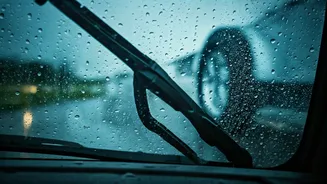
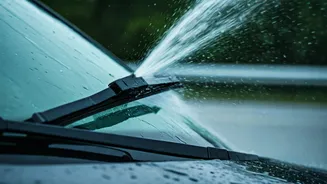
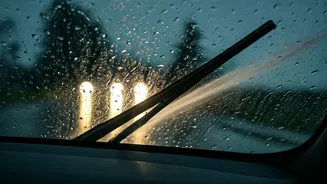
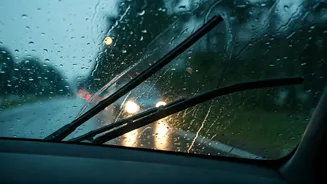
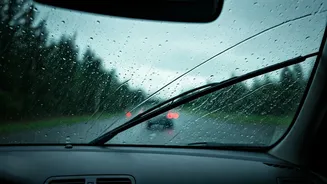
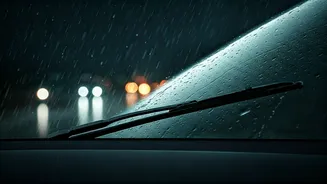
This is perhaps the cheapest and most effective monsoon prep you can do. The intense sun and dry heat of the preceding months bake your wiper blades, leaving them cracked, brittle, and useless. When the first heavy rain hits, you don't want to discover your wipers just smear water across the windshield, completely obscuring your vision. A new set of high-quality wipers will give you a clean, streak-free view of the road ahead, allowing you to spot debris, stalled cars, or flooded areas. It's a ten-dollar fix that can prevent a thousand-dollar accident. Replace them before the first storm, not during it.
3. Check Your Headlights and Taillights
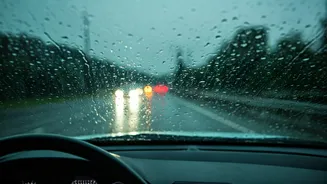
During a monsoon storm, daylight can vanish in minutes, replaced by a dark, gray gloom. Your lights aren't just for seeing—they are for being seen. Take a minute to walk around your car with the lights on. Check your headlights (both low and high beams), taillights, brake lights, and turn signals. A single burnt-out bulb can make your vehicle nearly invisible from one side, a dangerous situation in low-visibility conditions. Clean the plastic housing of your lights as well. Years of sun exposure can make them yellow and hazy, significantly reducing the amount of light that gets through. A simple restoration kit can make them look and perform like new.
4. Test Your Brakes
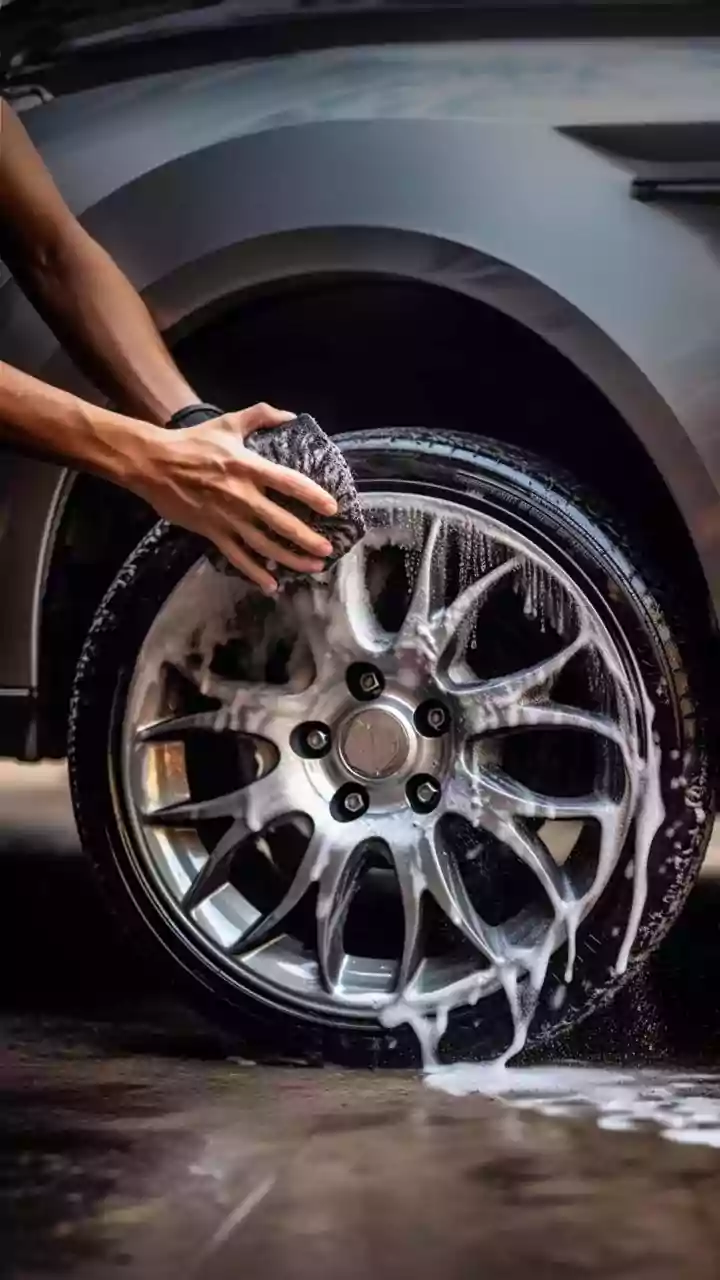
Slick roads mean longer stopping distances. You need to be confident that your brakes are in top condition to handle the decreased traction. If you've been hearing any squealing, grinding, or feeling a pulsation in the pedal, get them inspected by a professional immediately. Even if they feel fine, a quick check of your brake fluid level and a look at the pad thickness (if you can see it through your wheels) is a smart move. Driving through deep puddles can also temporarily reduce your brakes' effectiveness. If this happens, gently apply the brakes for a few seconds while driving slowly to help dry them out.
5. Get Your Battery Health Checked
Extreme heat is a battery killer. The hot, dry months leading up to the monsoon put immense strain on your car's battery, and it's often the first big storm that delivers the final blow. A weak battery may not have the power to run your headlights, wipers, and air conditioning all at once. Most auto parts stores will test your battery's health for free. It’s a simple test that can tell you if your battery is nearing the end of its life, giving you a chance to replace it on your own terms rather than being stranded in a torrential downpour.
6. Service Your AC and Defroster
This one might seem like a luxury, but it’s a critical safety feature. The high humidity of a monsoon storm causes windshields to fog up in seconds, both inside and out. Your car’s air conditioning system is the most effective tool for defogging because it removes moisture from the air. Turn on your AC and direct the vents to the windshield. If your AC isn't blowing cold or your defroster seems weak, get it serviced. A clear windshield is non-negotiable when sheets of rain are falling and road visibility is already poor.
7. Refresh Your Emergency Kit
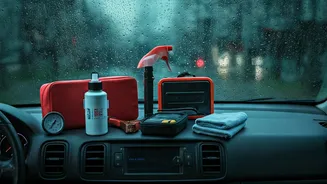
A flash flood or downed power line can turn a short drive into a long wait. Your emergency kit should be ready for a wet, dark situation. Ensure you have a powerful, waterproof flashlight with fresh batteries, a first-aid kit, jumper cables, and a phone charger or power bank. It's also wise to add a few bottles of water, some non-perishable snacks, and a blanket or towel. These simple items provide comfort and safety if you get stuck waiting for a storm to pass or for roadside assistance to arrive.