
Anatomy of Trend Chaos
Just a few years ago, fashion trends moved in seasons. Now, they move at the speed of a TikTok video. Welcome to the era of 'trend chaos,' a dizzying cycle of micro-trends, each with its own cutesy name: balletcore, cottagecore, coastal grandmother, gorpcore,
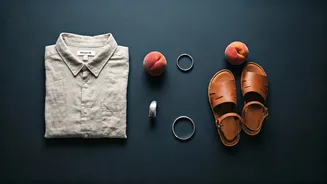
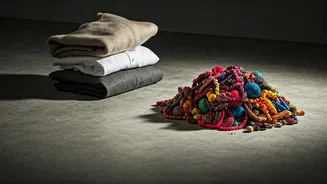
blokecore. One week, everyone is wearing oversized blazers and silver jewelry; the next, it’s all about low-rise jeans and Y2K baby tees. This relentless churn is fueled by a perfect storm of social media algorithms designed to serve up novelty and ultra-fast fashion brands capable of turning a viral aesthetic into a cheap polyester reality in a matter of days. The result is a kind of sartorial whiplash. Consumers feel pressured to constantly update their look, not for the next season, but for the next week, leading to closets overflowing with poorly made items that quickly feel dated and disposable.
The High Cost of Keeping Up
The exhaustion is real. Trying to ride the wave of trend chaos is not only financially draining but mentally and environmentally taxing. The constant pressure to participate creates a sense of inadequacy; if you’re not adopting the latest 'core,' you feel left behind. This fosters a cycle of compulsive consumption, where the fleeting thrill of a new purchase is quickly replaced by the anxiety of the next trend on the horizon. More people are waking up to the environmental consequences. The fast-fashion model that enables this chaos is notorious for its carbon footprint, water pollution, and contribution to landfill waste. That $15 dress, worn twice before being relegated to the back of the closet, represents a significant hidden cost to the planet. The promise of endless newness has revealed itself to be a treadmill to nowhere, leaving consumers with a closet full of clothes and nothing they truly love to wear.
The Quiet Rebellion of Less
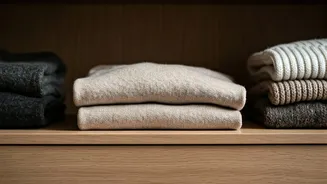
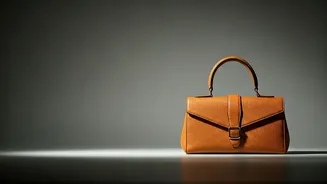
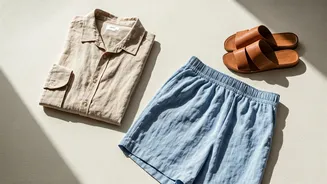
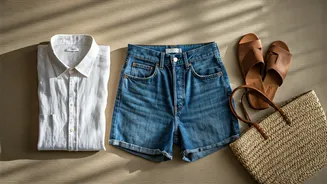
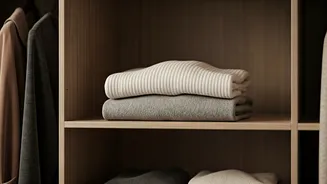
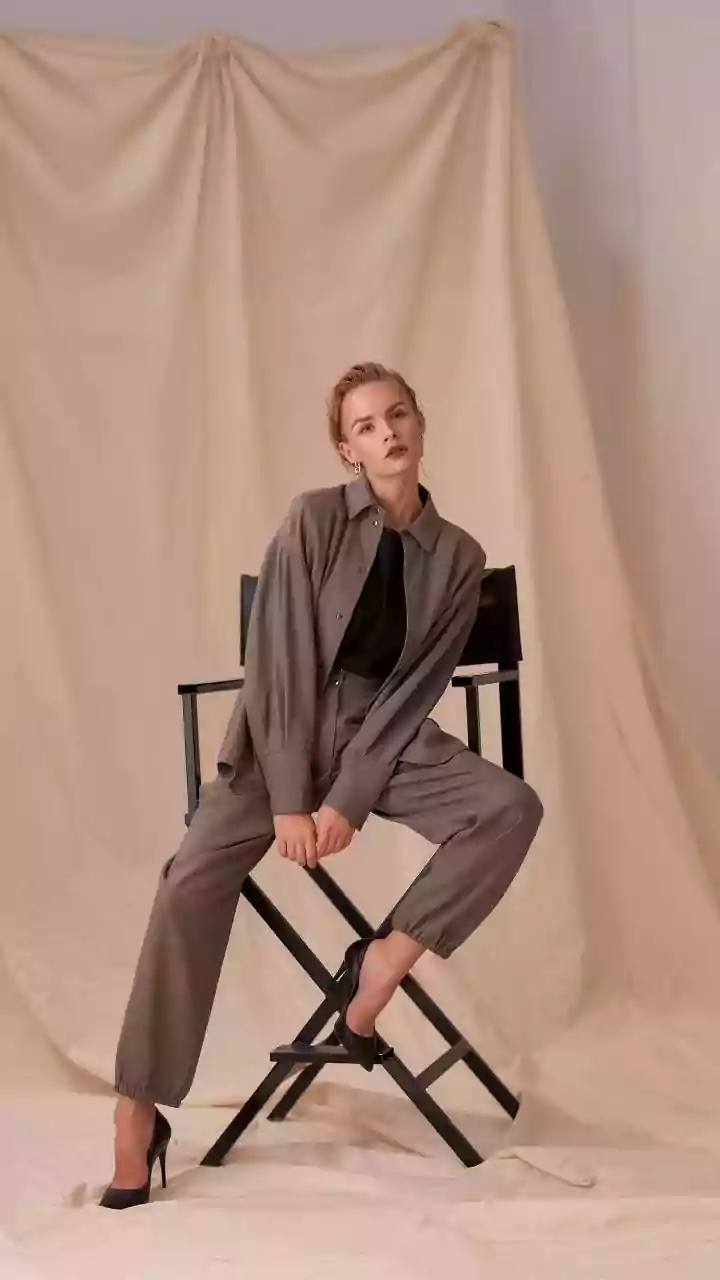
In response to this noise, a powerful counter-movement is gaining ground. It’s a return to minimalism, but not the stark, cold version of the past. Today’s minimalism is warmer, more personal, and rooted in intention. It goes by many names—'quiet luxury,' 'intentional dressing,' 'capsule wardrobes'—but the core philosophy is the same: buy less, but buy better. Instead of chasing a dozen fleeting micro-trends, people are investing in high-quality, timeless pieces that can be styled in multiple ways and will last for years. Think a perfectly tailored trench coat, a great pair of jeans, a luxurious cashmere sweater, or a simple, elegant white t-shirt. This isn’t about deprivation; it’s about curation. It’s the conscious decision to build a wardrobe that reflects personal style and values, rather than the whims of an algorithm. It's a quiet, confident rebellion against the demand to be constantly new.
Finding Freedom in Simplicity
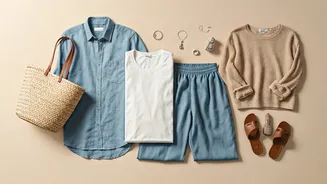
The appeal of a minimal look is about more than just aesthetics. It’s a form of liberation. When you’re no longer a slave to trends, you gain back time, money, and mental energy. Getting dressed in the morning becomes a simple, joyful act instead of a stressful puzzle. A well-curated wardrobe of pieces you love empowers you to feel put-together without a second thought. This approach also redefines what it means to be stylish. True style isn't about wearing what everyone else is wearing this month; it's about understanding what works for your body, your lifestyle, and your personality. It’s about the confidence that comes from wearing clothes that make you feel like the best version of yourself. By stepping off the trend treadmill, people are discovering that the most fashionable thing you can own is a strong sense of personal style.