


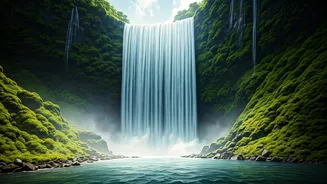


The Abode of Clouds Awakens
Tucked away in the northeastern corner of India lies Meghalaya, a state whose name translates from Sanskrit to “the abode of clouds.” It’s a fitting moniker year-round, but from roughly June to October, it becomes an understatement. This is when the monsoon
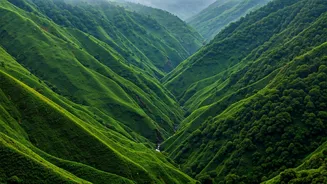
arrives, and the entire region undergoes a radical transformation. The rolling green hills, already beautiful, become super-saturated with an impossible, emerald vibrancy. The air grows heavy with mist, and a quiet hum gives way to a deafening roar as water begins to pour from the sky and, seemingly, from the very earth itself. This isn't a dreary, stay-indoors kind of rain. It’s the engine of a world-class natural show, creating a scene so dramatic and overwhelmingly beautiful that it demands attention.
Where Rain Is Measured in Feet
To understand Meghalaya’s waterfall season, you have to understand its rain. The state is home to the towns of Mawsynram and Cherrapunji (also known as Sohra), which consistently vie for the title of “wettest place on Earth.” We’re not talking a few extra inches; these places can receive over 39 feet of rainfall in a year. The science is simple but dramatic: moisture-rich winds from the Bay of Bengal travel unimpeded across the plains until they slam into the Khasi Hills of Meghalaya. Forced to rise, the clouds cool and condense, dumping their staggering volumes of water onto the plateau below. This annual deluge feeds a complex network of rivers and streams that, for a few months, turn every cliff, gorge, and hillside into a potential cascade.
A Symphony of Waterfalls
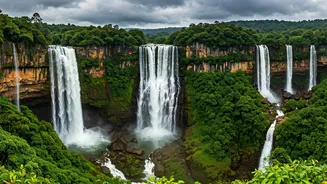
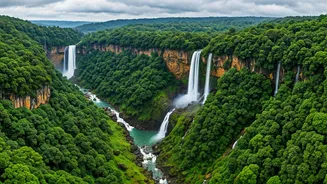
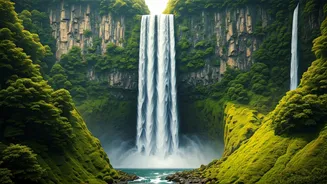
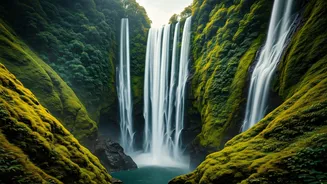
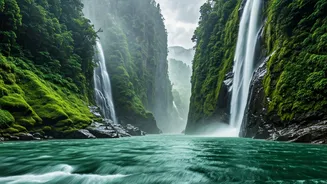
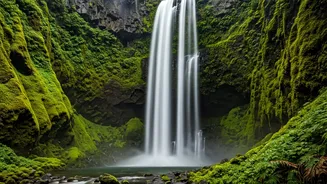
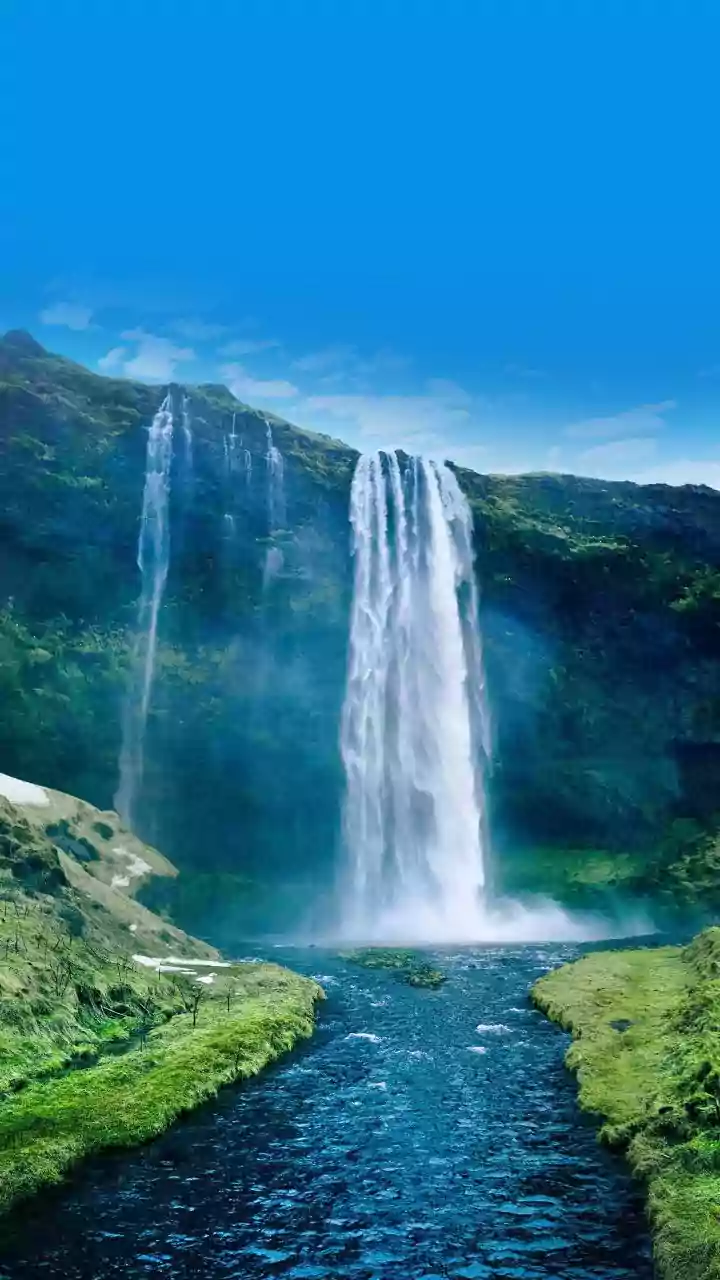
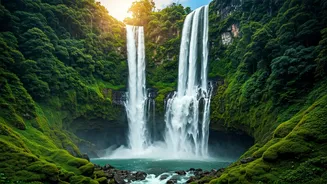
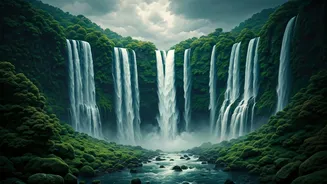
The result of this extreme weather is a paradise for waterfall lovers. The stars of the show are legendary. Nohkalikai Falls, one of India’s tallest plunge waterfalls, drops over 1,100 feet from a verdant cliff into a turquoise pool below. Its monsoon-season power is a humbling sight. Nearby, the Seven Sisters Falls (Nohsngithiang Falls) presents a different kind of majesty. Here, seven distinct streams of water cascade side-by-side down a wide limestone cliff face, creating a breathtaking curtain of white against the green landscape. Beyond these famous names, there are hundreds, if not thousands, of other waterfalls that spring to life during the monsoon. They appear on the sides of roads, in the middle of forests, and in the backyards of villages, turning the entire state into a dynamic water-world.
Bridges Grown, Not Built
This constant presence of water has shaped not only the landscape but also the culture. The indigenous Khasi and Jaintia people have developed a unique and sustainable way to navigate their water-logged world: living root bridges. For centuries, they have guided the aerial roots of the Ficus elastica tree across rivers and gorges, weaving them together until they form strong, living structures that become more robust over time. These intricate, moss-covered bridges are a testament to human ingenuity working in harmony with nature. Crossing one, with the sound of a rushing river below and the damp, earthy smell of the forest around you, is an experience as profound as seeing any of the region's massive waterfalls.
Experiencing the Deluge
Visiting Meghalaya during the monsoon is an adventure in sensory overload. The constant sound of water, from a gentle patter to a ground-shaking roar, becomes the soundtrack of your trip. Mist and low-hanging clouds can reduce visibility to mere feet, creating an ethereal, mysterious atmosphere before suddenly parting to reveal a stunning valley view. It’s a trip for those who don’t mind getting wet and who appreciate the raw, untamed power of the natural world. Instead of seeking sunshine, visitors come here to embrace the downpour, knowing that the rain is not an inconvenience but the very source of the region’s spectacular and unforgettable beauty.