



1. Make Thorough Drying a Top Priority
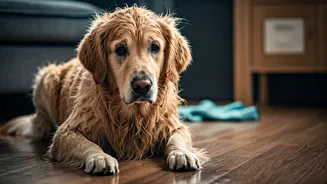
The single most important rule of wet-weather pet care is this: a damp dog or cat is a walking petri dish. Moisture trapped in a thick coat, against warm skin, creates the perfect breeding ground for bacteria and yeast. This can quickly lead to painful
skin infections, rashes, and the dreaded 'hot spots' (acute moist dermatitis). After every walk in the rain, romp in wet grass, or swim, you must dry your pet completely. Start with a highly absorbent pet towel, squeezing water out from the coat rather than rubbing vigorously, which can cause tangles. For long-haired or double-coated breeds, a pet-safe blow dryer on a low-heat, low-speed setting is your best friend. Pay special attention to friction areas like armpits, the groin, and the base of the tail.
2. Master the Daily Brush-Out
During humid seasons, your pet’s brush is a healthcare tool, not just a cosmetic one. Daily brushing does more than just remove loose fur; it prevents mats from forming. Mats are terrible news in humid weather. They act like sponges, trapping moisture and debris close to the skin while blocking airflow. What starts as a small tangle can quickly escalate into a painful, tight knot that pulls on the skin and hides a festering infection underneath. A daily once-over with a slicker brush or a comb appropriate for your pet's coat type helps detangle fur, distribute natural skin oils, and allows you to spot any early signs of skin irritation before they become major problems.
3. Focus on Paws, Ears, and Folds
While you’re focused on the coat, don’t forget the details. Paws are constantly exposed to wet pavement, muddy puddles, and damp soil. After a walk, gently wipe and dry between each toe and pad to prevent yeast or fungal infections (often signaled by a musty, corn-chip-like smell and excessive licking). For breeds with floppy ears, the warm, dark, and now damp environment of the ear canal is a prime spot for infections. Check and clean ears regularly with a vet-approved solution. Similarly, for brachycephalic (flat-faced) breeds like Pugs and Bulldogs, their skin folds require daily wiping and drying to prevent skin fold dermatitis.
4. Rethink Your Bathing Schedule
It might seem counterintuitive, but bathing your pet *too* frequently can make things worse by stripping the natural oils that protect their skin. However, the *right* kind of bath can be a game-changer. If your pet is prone to skin issues, talk to your vet about a medicated shampoo. Anti-fungal or anti-bacterial shampoos can help manage the specific microbes that thrive in humidity. These aren't your everyday cleansers; they often need to be left on the skin for 5-10 minutes to be effective. For pets without specific issues, a regular, gentle bath is fine, but the post-bath drying session becomes even more critical.
5. Know the Early Warning Signs
Preventative grooming is your first line of defense, but you also need to be a vigilant observer. Catching a problem early is key to avoiding a miserable pet and a costly vet bill. Get in the habit of running your hands over your pet’s entire body every day, feeling for lumps, bumps, or sticky patches of fur. Watch for behavioral clues. Is your pet suddenly scratching, licking, or chewing one spot obsessively? Do you notice any unusual redness, hair loss, or a foul odor coming from their skin or ears? These are all red flags that signal it’s time to stop home treatment and call your veterinarian for a professional diagnosis and treatment plan.