


The Manali Paradox
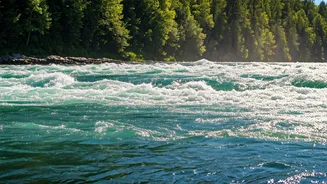
For decades, Manali has been the default destination for travelers seeking the beauty of Himachal Pradesh. Its reputation is built on a solid foundation: stunning access to the Beas River, a gateway to high-altitude passes like Rohtang, and a vibrant
backpacker scene. It’s the place you go for adventure sports, bustling markets, and a social, energetic atmosphere. But that popularity has come at a cost. Today, the “Manali madness” is a tangible phenomenon. It’s the hours-long traffic jams just to enter the town, the drone of construction marring the mountain quiet, and the main streets so packed with souvenir shops and selfie-stick-wielding tourists that the sense of Himalayan tranquility can feel utterly lost. While Manali still holds appeal, many travelers find themselves yearning for the serene mountain escape they originally pictured, not a crowded resort town.
The Serene Alternative: Naggar
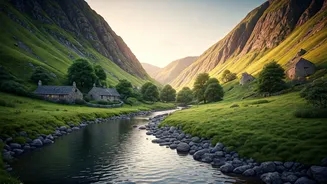
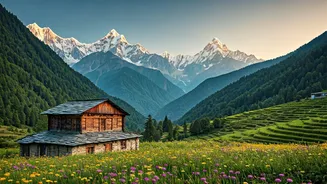
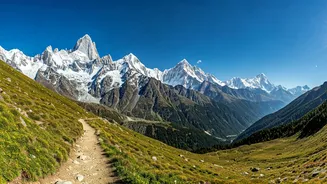
Just 13 miles south of Manali, nestled on a forested hillside overlooking the same spectacular Kullu Valley, lies Naggar. For centuries, it was the capital of the Kullu kingdom, and that sense of regal history and quiet dignity still permeates its atmosphere. Naggar is not a scaled-down version of Manali; it’s a different experience altogether. The air feels calmer, the pace slower. Instead of honking horns, you hear the wind moving through deodar cedar trees and the distant clang of a temple bell. This small town trades the frenetic energy of a tourist hub for the quiet charm of a cultural haven, offering travelers a chance to connect with the region’s history and artistry while still being surrounded by breathtaking Himalayan vistas.
Culture and History Over Crowds
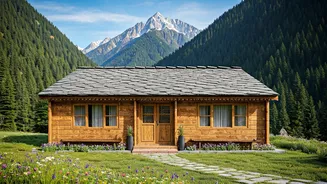
Naggar’s appeal is rooted in its unique historical and artistic treasures. The centerpiece is Naggar Castle, a magnificent 15th-century structure built with stone and wood in the traditional Kath-Kuni style. Once a royal residence, it’s now a heritage hotel and museum. You can wander its creaking wooden balconies, which offer jaw-dropping panoramic views of the valley below, far superior to any crowded viewpoint in Manali. Just a short walk up the hill is the Roerich Art Gallery, the former home of Russian artist Nicholas Roerich and his family. The gallery preserves his stunning, mystical paintings of the Himalayas, which seem to glow with an inner light. Visiting his preserved studio and home offers a profound sense of peace and a connection to a deeper, more contemplative appreciation of the mountains.
Embracing the Pace of Mountain Life
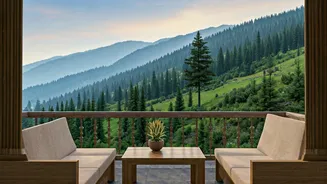
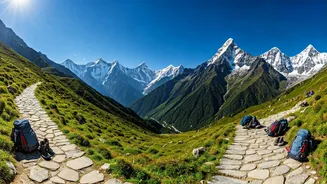
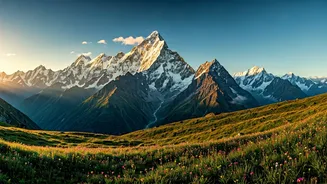
A day in Naggar is defined by what you *don’t* have to do: rush. There are no long queues or frantic itineraries. Instead, you can spend your mornings sipping chai at a small café, watching clouds drift across the peaks. The town itself invites exploration, with winding paths leading past old stone homes, ancient temples like the Gauri Shankar Temple, and friendly locals who are often happy to share a story. For those who want a bit of activity, there are gentle hikes to nearby villages or the beautiful Jana Waterfall. It’s a place that encourages you to put your phone away and simply be present—to read a book on a guesthouse balcony, to watch the sunset paint the mountains in hues of pink and gold, and to truly absorb the Himalayan environment.
Getting There Without the Hassle
Choosing Naggar doesn’t mean embarking on an arduous journey to a remote outpost. It's incredibly accessible. Located just an hour's drive from the Bhuntar Airport in Kullu, it's easy to reach. If you're traveling by road, it’s a simple turn-off before you hit the main traffic bottleneck leading into Manali. Accommodations in Naggar range from staying in the historic castle itself to charming family-run guesthouses and boutique homestays that prioritize hospitality over high volume. This ease of access makes it a perfect choice for those who want the epic views and cultural depth without the logistical headaches that now define its more famous neighbor.