





The White City in a New Light
Udaipur, often called the “Venice of the East,” is known for its gleaming palaces and romantic lakeside setting in the heart of Rajasthan. For most of the year, it lives up to its desert-state reputation, basking under a powerful sun. But from roughly
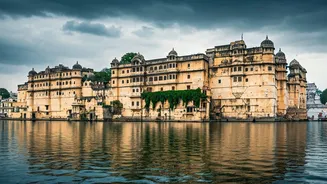
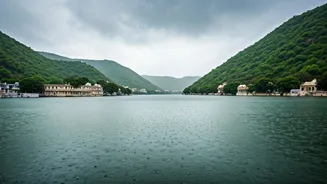
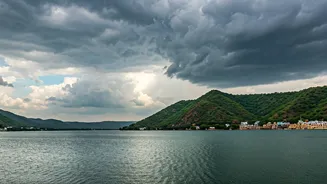
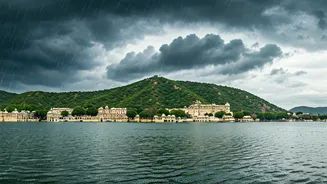
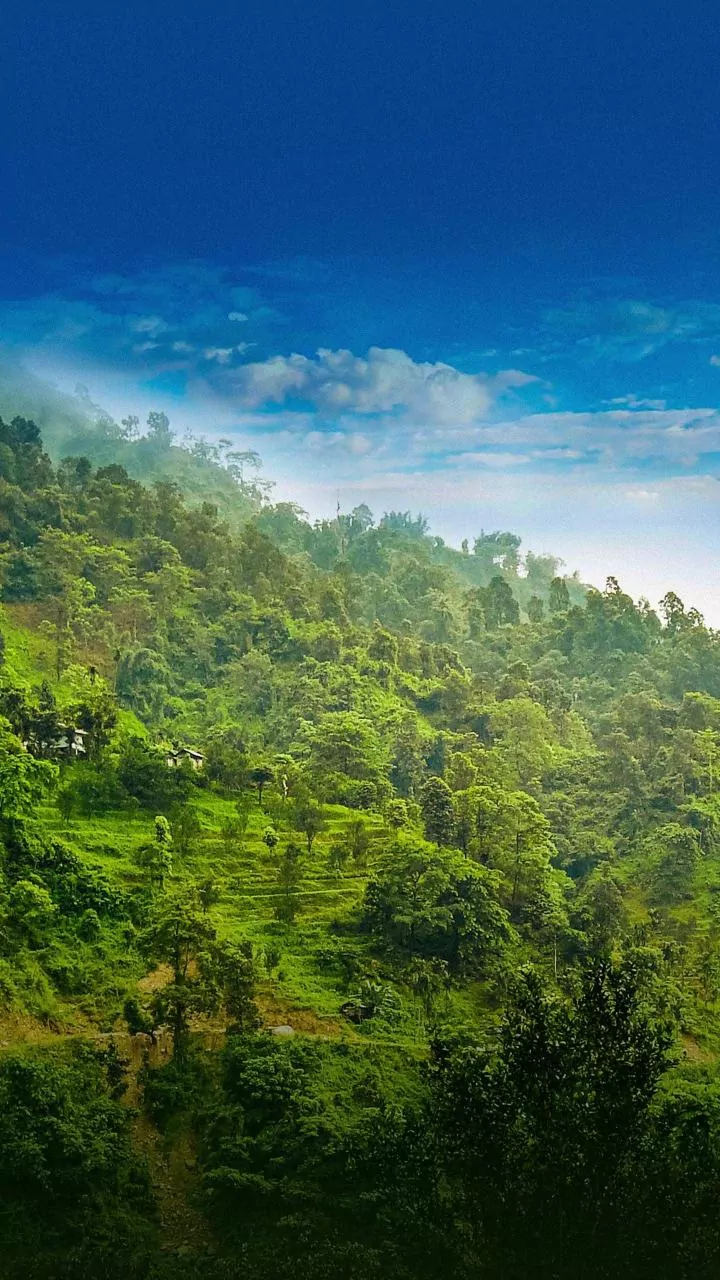
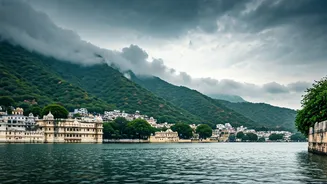
June through September, the monsoon arrives, and the city undergoes a breathtaking transformation. The arid Aravalli Hills that cradle Udaipur erupt in a sudden, impossible green. The air, once thick with dust, becomes crisp and fragrant with the scent of wet earth and blooming jasmine. The city’s famed white marble buildings, from the sprawling City Palace to the humble storefronts, seem to exhale, their surfaces gleaming as if freshly polished. The heat and crowds of peak tourist season dissipate, replaced by a slower, more contemplative rhythm. This isn't the India of hectic travelogues; it's a moody, atmospheric dreamscape waiting to be explored at a leisurely pace.
Havelis: Grand Dames of the Monsoon
At the heart of this transformation are the havelis. These are not just houses; they are opulent, historic mansions, once home to the merchants and nobles of the Mewar kingdom. Built around central courtyards designed for shade and air circulation, they are architectural marvels of intricately carved balconies (jharokhas), colorful glasswork, and latticed stone screens. During the monsoon, they take on a special character. Rain cascades down marble facades, tracing patterns over centuries-old carvings. The inner courtyards, often filled with potted plants, become miniature rainforests, echoing with the gentle drumming of raindrops. Many of these havelis have been converted into heritage hotels, offering travelers an unparalleled experience. To sit on a cushioned window seat in a haveli, sipping chai and watching the rain sweep across Lake Pichola, is to feel connected to the city’s timeless, aristocratic past. It’s an intimate encounter with history, made more poignant by the weather outside.
Reflections on Lake Pichola
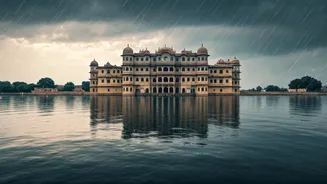
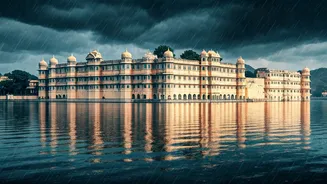
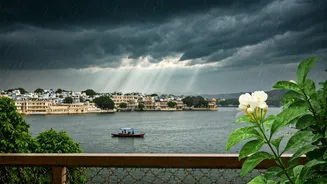
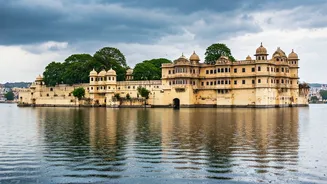
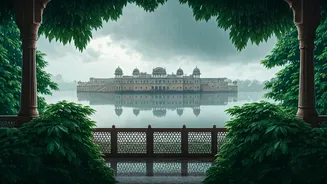
The soul of Udaipur is its system of man-made lakes, with Lake Pichola being the most iconic. In the dry season, the water levels can recede, but the monsoon replenishes them, filling them to the brim. The effect is dramatic. The famous Lake Palace, a hotel that appears to float in the center of the water, looks more majestic than ever. The Jag Mandir, another island palace, seems to rise from a sea of mercury. The ghats—the stone steps leading down to the water—are bustling with life, but in a different way. A boat ride during a break in the showers offers a unique perspective. The water is a perfect mirror, reflecting the rain-washed palaces and the brooding, cloud-filled sky. The city’s reflection shimmers, creating a dreamlike, impressionistic version of itself. From a rooftop restaurant in the old city, you can watch as storms roll in over the hills, casting fleeting shadows and brilliant light across the water, a spectacle that is both humbling and profoundly beautiful.
A Slower, More Personal Experience
Perhaps the greatest luxury of visiting Udaipur during the monsoon is the relative peace. This is the off-season, a time when the crowds that throng the City Palace and jam the narrow alleyways of the old city have thinned out. You can wander through the markets without being jostled, linger in a museum without feeling rushed, and find a quiet corner in a lakeside café to simply sit and watch the world go by. This slower pace allows for a deeper connection with the city and its people. It encourages you to notice the small details: the way a shopkeeper shelters his wares with a colorful tarp, the bright saris of women forming a vibrant contrast against the gray stone, the laughter of children splashing in puddles. For the traveler who values atmosphere over guaranteed sunshine, the monsoon is Udaipur's gift—an opportunity to see a popular destination in its most authentic and unguarded state.