


The Great Burnout Backlash
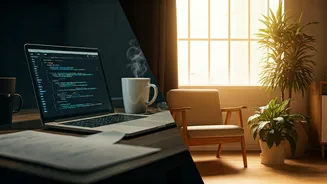
Remember the 2010s? It was the decade of the girlboss, the side hustle, and the pervasive belief that if you weren’t monetizing your hobby, you were wasting your time. Success was measured in sleepless nights and a calendar that looked like a game of Tetris
gone wrong. To be busy was to be important. To be tired was a badge of honor. But a funny thing happened on the way to burnout: an entire generation realized the prize wasn't worth the cost. The COVID-19 pandemic acted as a global reset button, forcing a collective pause that broke the hamster wheel for millions. Stripped of commutes and social obligations, people were left alone with their thoughts and their exhaustion. This quiet moment of reflection led to a widespread epiphany: the relentless pursuit of 'more' was often just a path to less—less health, less happiness, and less genuine connection. The 'hustle' was exposed not as a path to liberation, but as a trap. The backlash wasn't just a whisper; it became a roar.
Performing Wellness on Main
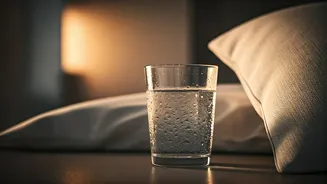
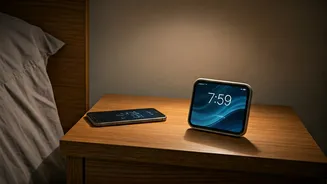
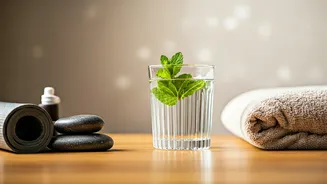
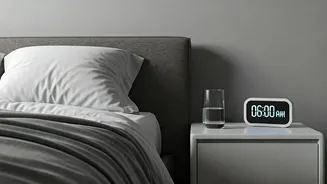
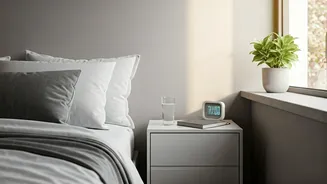
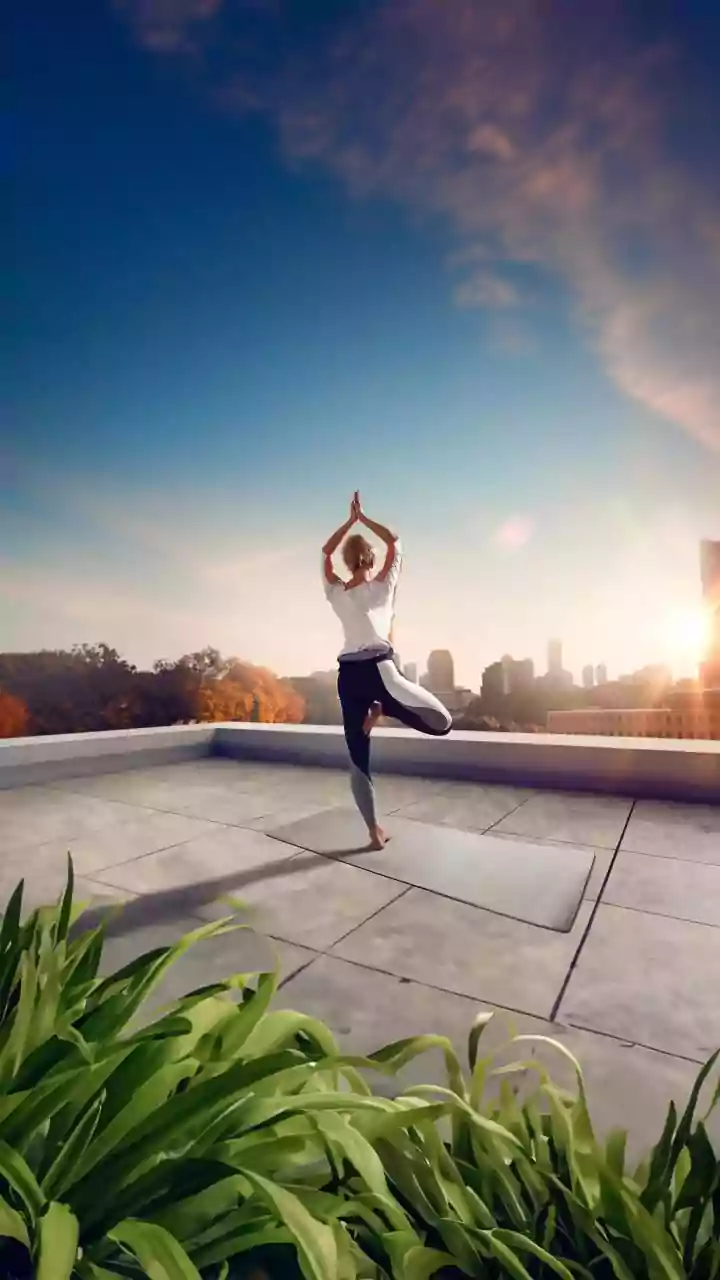
So, what does the new status symbol look like? It’s subtler, quieter, and often, more hydrated. The new flex is posting a screenshot from your sleep-tracking app showing a glorious eight hours of deep REM cycles. It’s the artfully curated photo of a Stanley cup next to a laptop, signaling a commitment to hydration. It’s celebrating a weekend with zero plans, glorifying the 'joy of missing out' (JOMO) over the 'fear of missing out' (FOMO). On social media platforms like TikTok and Instagram, the 'soft life' aesthetic has taken hold. It champions ease, peace, and prioritizing mental well-being above all else. Instead of boasting about closing a deal at 10 p.m., the flex is logging off at 5 p.m. to take a walk. Recovery, once an afterthought for athletes, is now a mainstream aspiration. It’s no longer about how much you can endure, but how well you can recharge. This performance of wellness is the new social currency, signaling that you have your life so under control that you can afford to rest.
The Monetization of Rest
Cynics will correctly point out that where a cultural trend emerges, a market to serve it is not far behind. The rejection of hustle culture has not led to a rejection of consumerism; it has simply redirected it. The wellness industry, already a behemoth, has eagerly stepped in to provide the tools for this new flex. The $40 water bottle isn’t just for water; it’s a tribal identifier. The $300 sleep-tracking ring isn't just a gadget; it's a commitment to optimized rest. There are infrared sauna blankets, electrolyte powders promising superior hydration, and weighted blankets for anxiety reduction. In a way, the pressure has simply shifted. The anxiety of not working hard enough has been replaced by the anxiety of not 'recovering' correctly. Are you drinking enough water? Is your sleep efficient? Are you practicing mindfulness? While the goal of better health is laudable, the commercialization of rest proves that capitalism is infinitely adaptable. It can sell you the disease (burnout) and the cure (wellness products).
Is This a Real Shift?
The core question is whether this trend represents a genuine, sustainable shift in our values or just another aesthetic to be adopted and eventually discarded. The answer is likely both. For many, the move toward prioritizing rest and mental health is a deeply felt and necessary correction. It’s a response to a decade of unsustainable demands on our time and energy, particularly from younger generations who watched their predecessors burn out for the promise of a corner office that no longer exists. However, the performative aspect can’t be ignored. When wellness becomes a 'flex,' it risks becoming another competitive sport—a new way to signal status and create hierarchies of who is 'doing self-care' best. The true rebellion isn’t just about buying a new water bottle; it's about fundamentally restructuring our relationship with work, ambition, and success. It's about recognizing that rest isn't a reward for productivity; it's a basic human right and a prerequisite for a healthy life.