






The Hack: Your A/C is a Defogger
The most disorienting part of a sudden monsoon storm isn’t always the rain itself, but the flash of condensation that instantly fogs your windshield from the inside. Wiping it with your hand just creates a smeary mess. Blasting the heat takes too long.
The hack that experienced drivers swear by is deceptively simple: turn on your air conditioner. It might seem counterintuitive to blast cold air when you’re trying to clear a window, but it’s not about temperature. Your car’s A/C system is a powerful dehumidifier. When you run it, the system pulls moisture out of the cabin’s air, and that’s what clears your windshield almost instantly. For maximum effect, direct the A/C vents toward the glass using your car's defrost setting. The combination of the airflow and the dehumidifying action of the compressor cuts through the fog in seconds, restoring your most critical asset: vision.
Why Your Windshield Fogs Instantly
This frustrating phenomenon is a battle of humidity. During a monsoon, the outside air is cool and saturated with rain. Inside your car, the air is warmer and holds moisture from your breath and even damp floor mats. When this warm, moist interior air hits the cold surface of the windshield (chilled by the rain), the moisture condenses into a film of tiny water droplets—the fog you can’t see through.
While your car's defroster setting will eventually work by heating the glass, that process is slow. The A/C trick is an override. It attacks the root cause—excess humidity in the cabin—and removes it from the equation. Many modern cars automatically engage the A/C compressor when the defrost mode is selected, precisely for this reason, but knowing to do it manually in any car can be a lifesaver.
Rule #1: Pull Aside, Stay Alive
Often, before the deluge, comes the haboob—a massive, churning wall of dust that can reduce visibility to zero in seconds. If you see one approaching, do not try to drive through it. The official advice from the Arizona Department of Transportation is clear: “Pull Aside, Stay Alive.”
This means pulling your vehicle as far off the pavement as possible, turning off all your lights (including your hazard lights), and taking your foot off the brake. Why turn the lights off? Because in a dust storm, other drivers tend to follow the taillights ahead of them. If you’re stopped on the shoulder with your lights on, you risk another vehicle rear-ending you at high speed, thinking you’re still moving on the road.
The Most Dangerous Element: Water on the Road
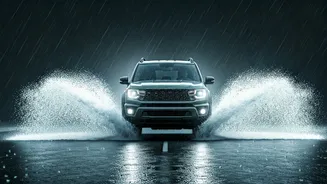
While the defogging hack helps with visibility, the single greatest threat during a monsoon is flooding. The slogan “Turn Around, Don’t Drown” is a federal and state-level campaign for a reason: it’s deadly serious. Flash floods are common in the desert landscape, and paved roads can quickly become raging currents.
It takes surprisingly little water to become a victim. Just six inches of moving water can knock an adult off their feet. A mere foot of water can float many passenger cars, and two feet of rushing water can carry away most vehicles, including SUVs and pickups. Never drive into a flooded wash or a roadway covered in water. The road beneath could be washed out, and the depth is impossible to judge. It is always safer to turn back and find an alternate route or wait for the water to recede.
Essential Monsoon Prep
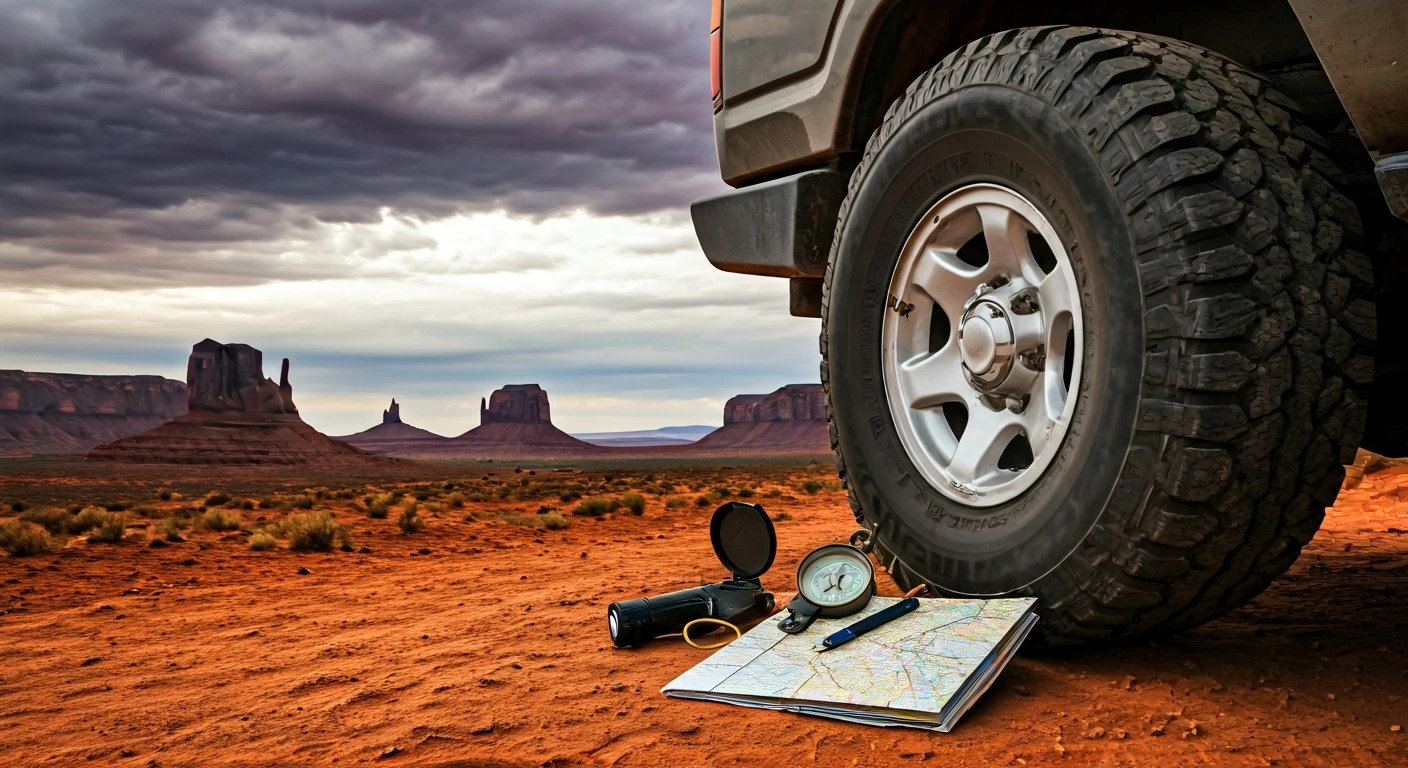
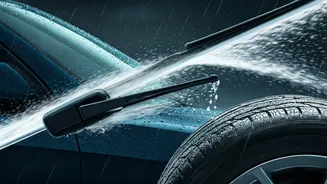
Being prepared is half the battle. Before monsoon season kicks into high gear, take care of two crucial components: your wipers and your tires. Replace wiper blades that are cracked, brittle, or leave streaks. In a torrential downpour, you need them working at peak efficiency. Secondly, check your tire tread. Good tread is essential for gripping wet roads and preventing hydroplaning, where your tires lose contact with the pavement and you lose control of the car. And finally, slow down. Posted speed limits are for ideal conditions, not for driving through a wall of water.