






Why Cucumbers Thrive in June
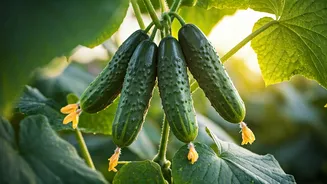
If you've waited until June to start your summer vegetable garden, you haven't missed the boat—you've arrived at the perfect time for cucumbers. These sprawling vines are true heat-seekers. Planting them in June, after all danger of frost has long passed,
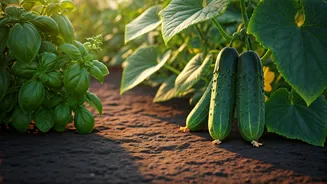
allows them to germinate quickly and establish strong roots in warm soil. Unlike cool-weather crops that bolt or turn bitter in the heat, cucumbers enter their prime. The long, sunny days fuel their rapid growth, meaning you can go from seed to first harvest in as little as 50-70 days. This quick turnaround provides the near-instant gratification that makes summer gardening so satisfying. By planting in June, you're setting your plants up to produce prolifically through the peak of summer, just when you’re craving a cool, refreshing snack.
Growing Crisp, Cool Cucumbers
Success with cucumbers comes down to three things: sun, water, and support. First, pick a spot that gets at least six to eight hours of direct sunlight per day. They are heavy feeders, so amend your soil with plenty of compost before planting. The most crucial factor for delicious, non-bitter cucumbers is consistent moisture. The soil should feel like a wrung-out sponge—never waterlogged, but never completely dry. A layer of mulch can help retain soil moisture and keep the roots cool. While you can let the vines sprawl on the ground, growing them vertically on a trellis is a game-changer. It saves a tremendous amount of space, improves air circulation (which reduces the risk of fungal diseases like powdery mildew), and makes the fruit easier to spot and harvest.
Why Basil Is a Summer Essential
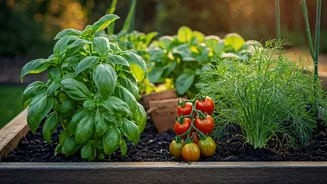
Basil is the quintessential herb of summer, and June is its ideal launchpad. This tender annual, native to tropical regions, detests the cold. Planting it now means it will explode with growth, thriving in the same conditions that make us reach for iced tea. Whether you start from seed or buy a small plant from a nursery, the warm soil and abundant sunshine of June will encourage it to become a lush, fragrant bush. Basil also makes an excellent companion plant for tomatoes, another summer staple, and is even said to repel certain pests. Its pungent, sweet aroma is a reward in itself, and having a fresh supply just outside your door elevates summer cooking from good to unforgettable.
Cultivating Aromatic Basil
Growing great basil is wonderfully simple. Like cucumbers, it needs at least six hours of sunlight. It prefers well-drained soil and doesn't like to be overwatered; let the top inch of soil dry out between waterings. The single most important tip for a season-long basil supply is to harvest it correctly. Don't just pick individual leaves. Instead, regularly pinch or snip off the top sets of leaves, right above a pair of side shoots. This encourages the plant to grow bushier and more productive, rather than tall and spindly. It also prevents the plant from flowering. Once basil flowers, its energy goes into producing seeds, and the leaves can develop a slightly bitter taste. By pinching it back, you're essentially tricking it into staying in a state of leafy, delicious growth all summer.
A Perfect Culinary Pairing
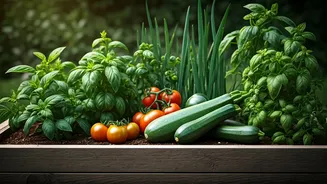
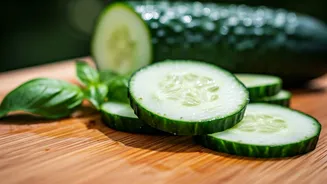
The true magic of planting these two together is their synergy in the kitchen. A cucumber and basil pairing is a cornerstone of fresh, no-cook summer eating. The crisp, mild, watery crunch of a freshly picked cucumber is the perfect canvas for the sweet, slightly peppery notes of fresh basil. Muddle them together in a glass with gin or sparkling water for the ultimate refreshing drink. Toss them with feta, red onion, and a light vinaigrette for a classic summer salad. You can even blend them into a chilled soup or a vibrant green smoothie. Having both on hand, just steps from your kitchen, means you can whip up something light, healthy, and full of flavor in minutes—the very essence of a perfect summer.