
The Rise of the Generic Interior
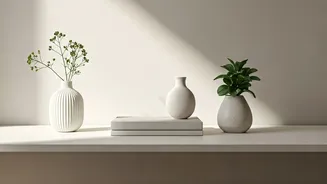
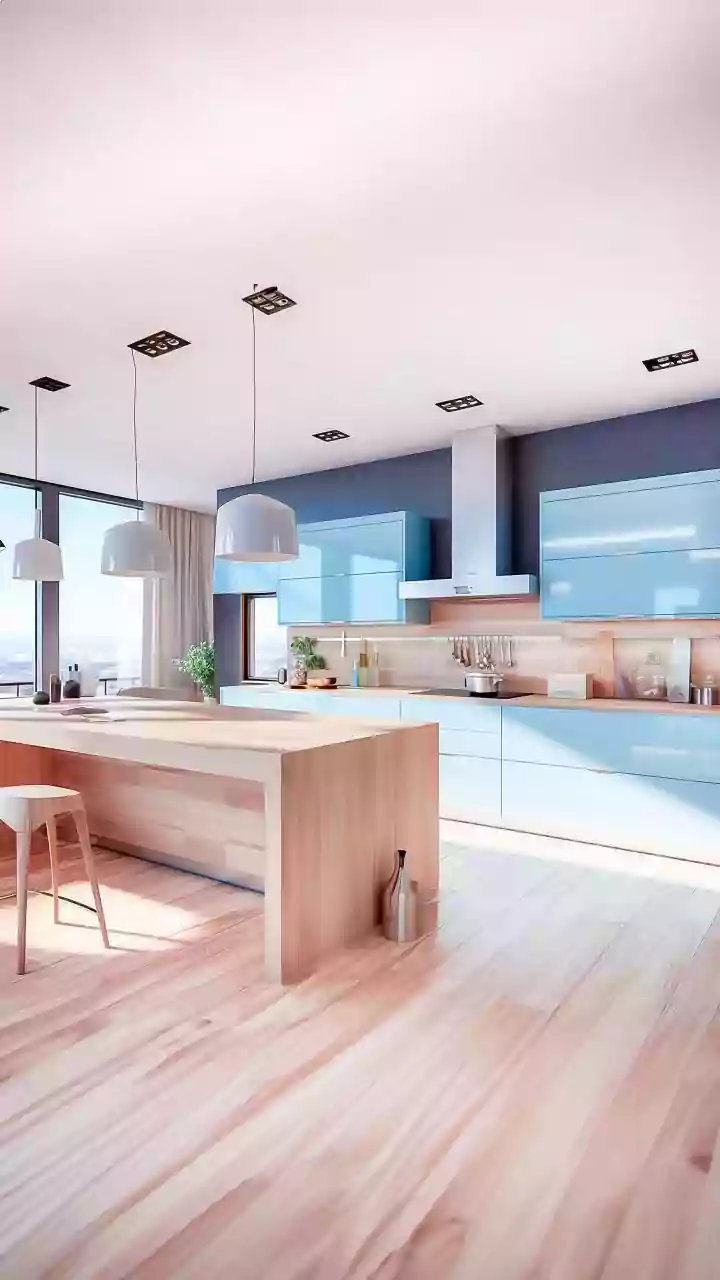
There’s a certain aesthetic that has dominated the last decade of interior design. It’s clean, neutral, and endlessly reproducible. Fueled by big-box retailers and the algorithmic sameness of social media, many of our homes have started to look alike.
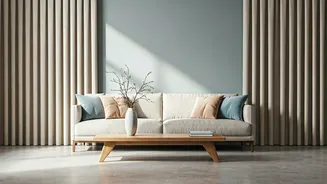
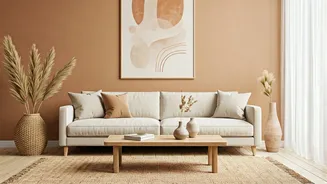
The gray velvet couch, the abstract mass-produced wall art, the faux-distressed furniture—it’s the interior design equivalent of fast fashion. It’s quick, affordable, and trendy, but it lacks a soul. While there’s nothing wrong with a clean and organized space, this pursuit of impersonal perfection can leave us feeling disconnected from our own environment. A home becomes a sterile showcase rather than a sanctuary. When every object is brand new and chosen from a catalog to fit a trend, the space has no memory, no texture of a life lived. It’s a house, but is it truly a home? The pushback against this genericism is where the concepts of craft and culture become so vital. They are the antidotes to the anonymous interior.
The Power of the Handmade
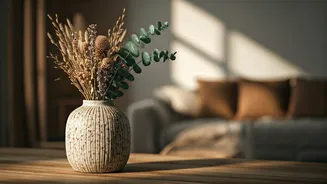
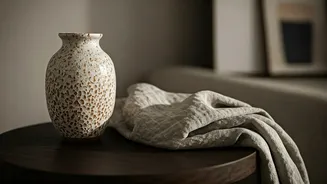
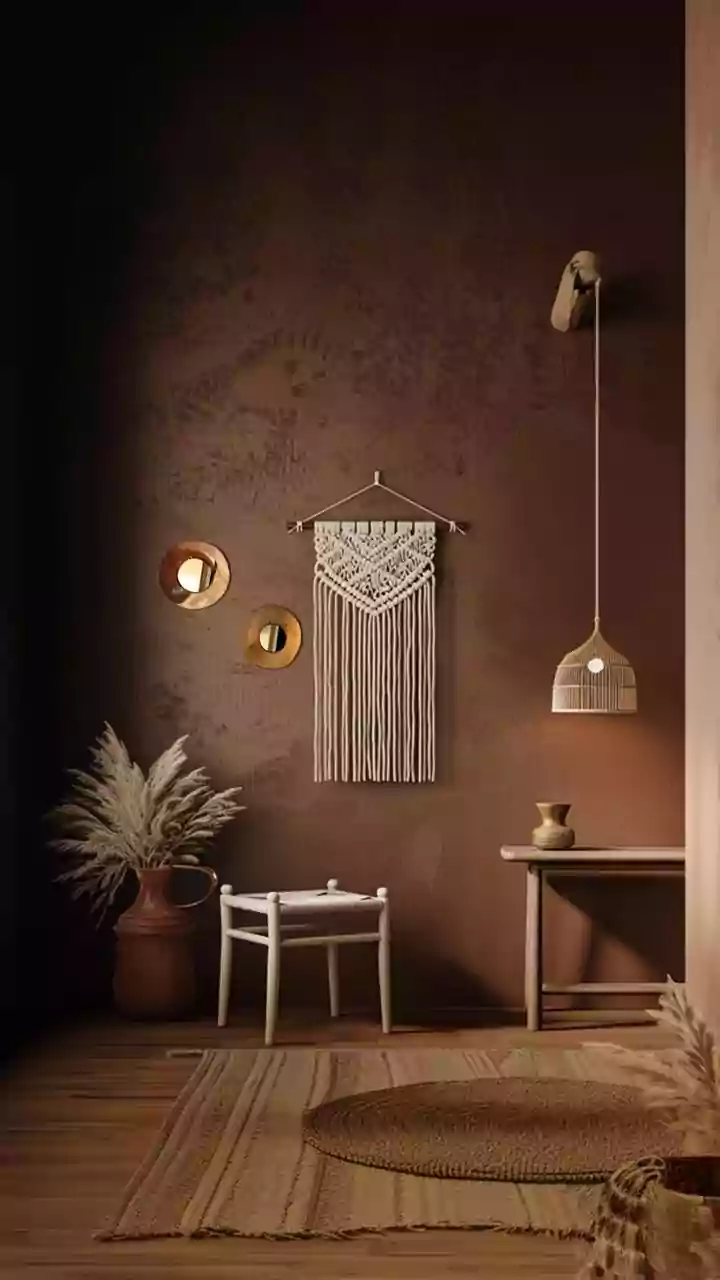
Craft is the first pillar of a meaningful home. This doesn't mean you need to become a master woodworker overnight. It simply means embracing items made by human hands. Think of a ceramic mug that fits perfectly in your palms, a hand-woven blanket with unique imperfections, or a wooden bowl carved by a local artisan. These objects carry a story beyond their function. Unlike a factory-made item, a handcrafted piece has a direct link to a person. You can feel the intention of the maker in its form and texture. These items defy sterile uniformity. A set of four handmade plates will have subtle variations, each one a quiet testament to its origin. This uniqueness grounds a space in reality and humanity. It introduces a tactile richness—the cool smoothness of glazed pottery, the rough grain of wood, the soft pile of natural fiber—that mass-produced items often lack. By choosing craft, you are not just acquiring an object; you are curating a collection of small-scale art and supporting a tradition of skilled work.
Weaving in Your Personal Culture
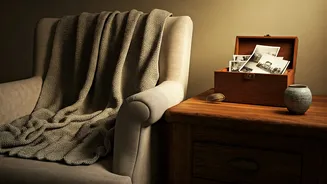
The second pillar, culture, is about infusing your home with your personal history. This is often misinterpreted as displaying souvenirs from exotic travels, but its meaning is far broader and more intimate. Your culture is your story. It’s the faded photograph of your grandparents on their wedding day. It’s the framed recipe for your mother’s lasagna, written in her own hand. It’s the collection of books that shaped your thinking or the vinyl records that defined your youth. Culture can also be about place. It might be a piece of art from a local painter you admire, celebrating the landscape outside your window. It could be antique maps of your hometown or a quilt made in a style traditional to your region. These elements make a home geographically and personally specific. They are markers of identity that no designer can choose for you. They turn your walls and shelves into a living scrapbook, reminding you not just of where you’ve been, but of who you are. This is what makes a space feel fundamentally safe and supportive—it reflects you back to yourself.
Where Story Replaces Style
The magic happens when craft and culture intersect. A rocking chair built by your great-grandfather is a piece of craft that holds immense cultural value for your family. A painting you bought on a memorable trip is both a piece of art and a vessel for personal memory. When you start thinking this way, decorating is no longer about following rules or chasing trends. It becomes an organic process of collecting and curating. Instead of asking, “Does this match my sofa?” you start asking, “Does this mean something to me?” Your home slowly transforms from a static set into a dynamic environment that evolves with you. It’s a place where a child’s messy drawing can hang next to a professional print because both tell a part of the story. This approach favors patience over immediacy. A meaningful home isn’t completed in a weekend shopping spree; it’s built over a lifetime, one meaningful object at a time. It’s a rejection of the idea that you need to have it all figured out right now, and an embrace of the beauty in the process.