

The Rise of the Wet Room
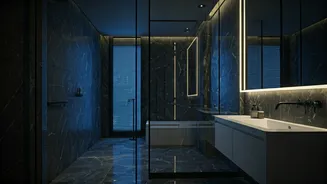
One of the most significant shifts is the move away from the traditional tub-and-shower combination toward expansive, open-concept “wet rooms.” This design typically features a large, barrier-free shower area, often encompassing the entire end of a bathroom,
sometimes alongside a freestanding tub. The floor is tiled throughout with a slight gradient for drainage. This creates a seamless, accessible, and incredibly spacious feel. It’s a luxury that feels both modern and deeply practical, turning the simple act of showering into a more immersive, cleansing ritual. Expect to see frameless glass, integrated benches, and multiple shower heads, including rainfall and handheld options, as standard.
Biophilic Design Brings Nature In
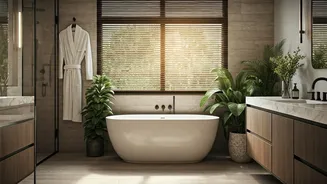
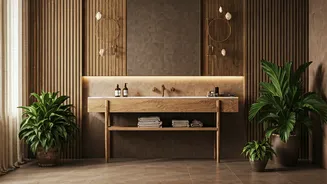
The connection between nature and well-being is a core tenet of the new spa bathroom. Biophilic design, which seeks to connect us with the natural world, is no longer just about adding a potted plant on the windowsill. The trend is manifesting through materials and layout. Think natural stone floors that feel like a riverbed underfoot, warm wood vanities and accents, and large windows that flood the space with natural light. Designers are even incorporating interior courtyards or living plant walls directly into bathroom designs, blurring the line between indoors and out and creating a tranquil, oxygen-rich environment.
Smart Tech for Seamless Serenity
Technology is being integrated not to complicate, but to simplify and enhance the relaxation experience. The goal is automation that feels invisible. This includes smart showers that remember your preferred temperature and pressure, lighting systems that mimic natural circadian rhythms (bright and energizing in the morning, warm and dim at night), and heated floors that are programmed to warm up before you wake. We're also seeing the rise of smart mirrors with anti-fog features and built-in displays for news or music, plus high-tech toilets with bidet functions and self-cleaning capabilities. It’s all about removing friction and adding personalized comfort.
The Sculptural Freestanding Tub
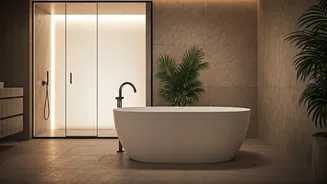
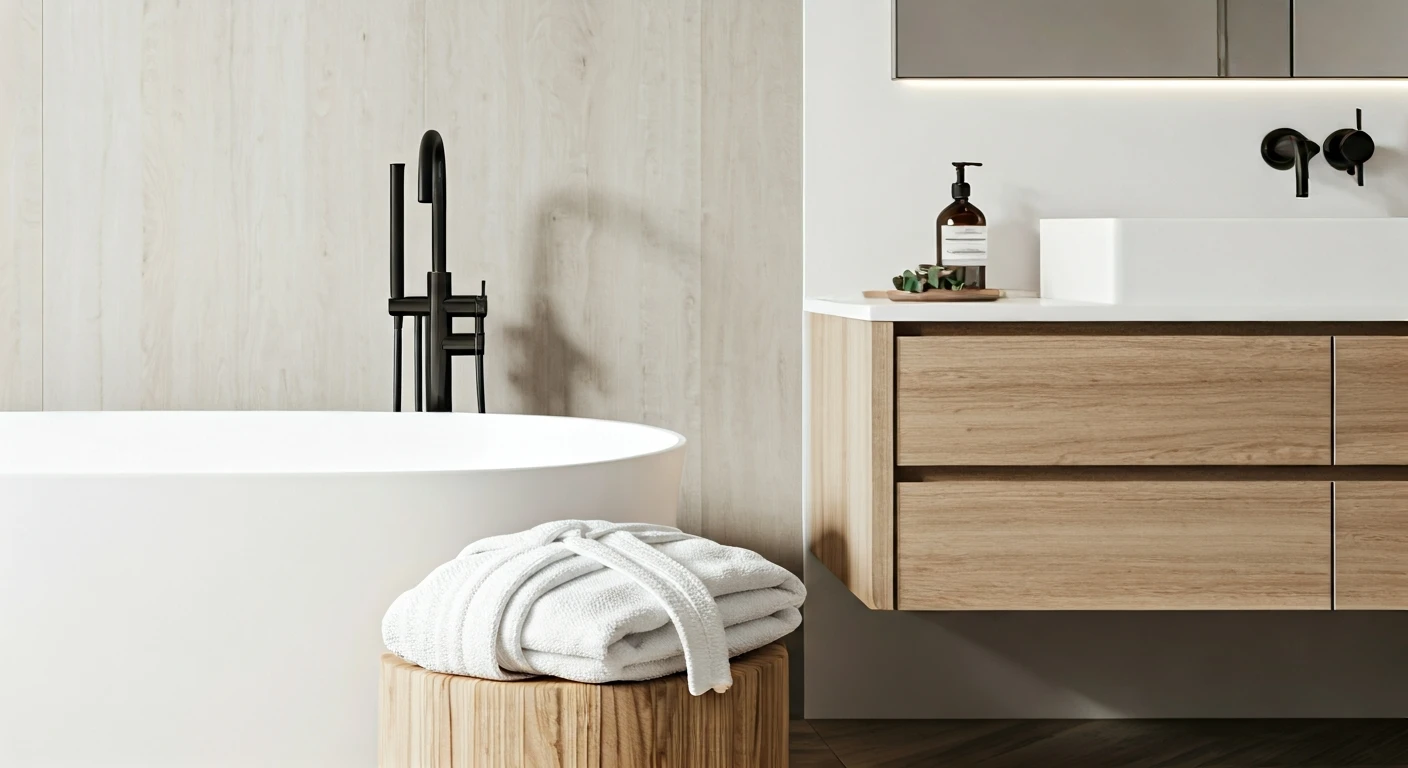
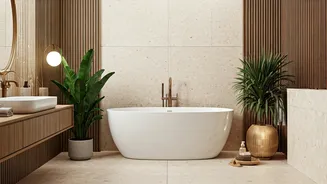
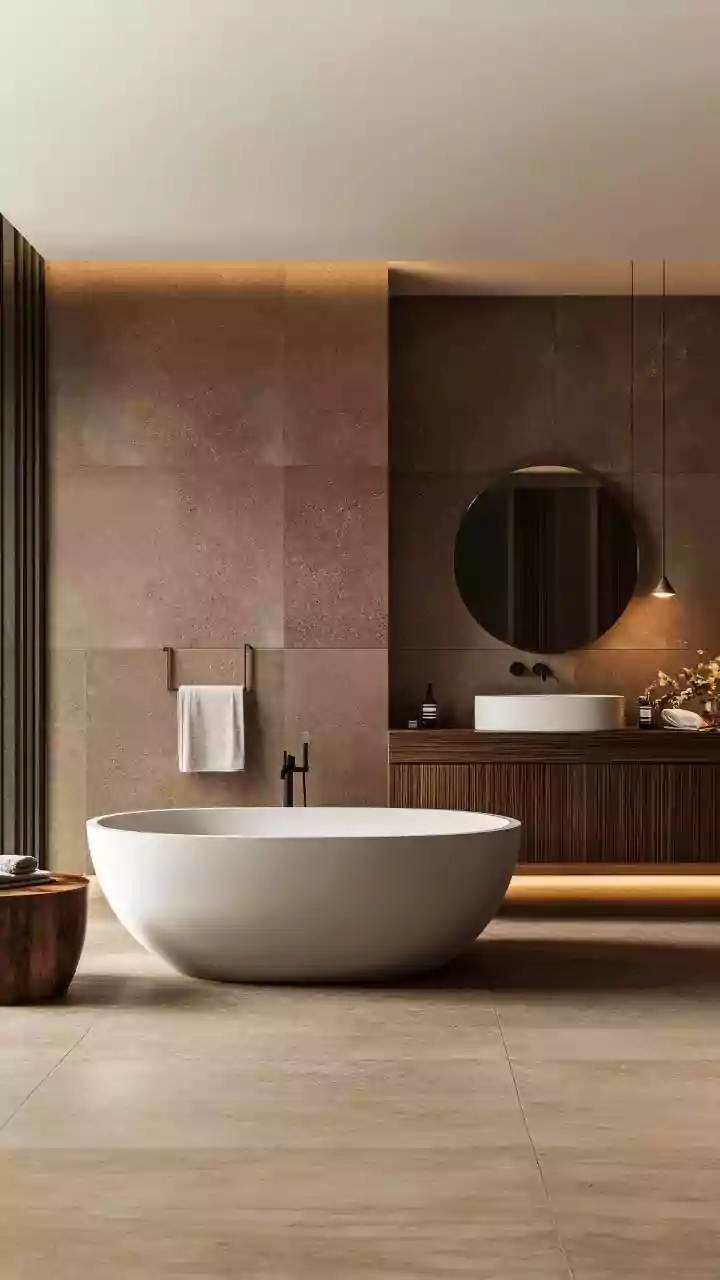
While the shower gets bigger, the bathtub is becoming more of an art piece. The bulky, built-in tubs of the past are being replaced by elegant, sculptural freestanding models. These tubs serve as the room's stunning centerpiece, inviting you to slow down and soak. Made from materials like volcanic limestone, cast iron, or smooth acrylic, they come in organic shapes that cradle the body. Placed strategically near a window or under a statement light fixture, the freestanding tub isn't just for bathing; it's a declaration that this room is dedicated to leisure and escape.
A Palette Pulled from Nature
To complete the spa-like atmosphere, the color palette is becoming softer, warmer, and more organic. Stark, clinical whites are giving way to a range of earthy tones. Think muted greens that evoke moss and eucalyptus, soft blues reminiscent of water and sky, and warm neutrals like terracotta, beige, and greige. These colors are inherently calming and provide a soothing backdrop for the natural materials in the room. The finish of choice is often matte rather than glossy, which absorbs light and adds a quiet, sophisticated depth to walls and fixtures.