


Meet the New Comfort Food: 'Rain Food'
The term “rain food” might not be on any menu, but you know it when you feel it. It’s the food you crave on a gloomy day, but with a modern, wellness-focused twist. Forget the heavy, cheese-laden casseroles of yesteryear. Today’s version is about meals
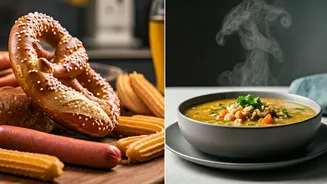
that are simultaneously comforting and restorative. Think of a steaming bowl of Vietnamese pho with its aromatic broth, a slow-simmered lentil soup, or a Japanese-style congee—a savory rice porridge that feels like a hug for your digestive system. This isn't about deprivation; it’s about a different kind of satisfaction. It’s the evolution of comfort food from a guilty pleasure into a form of self-care, designed to soothe both the body and the mind without the subsequent food coma or digestive distress.
The Rise of the Gut-Conscious Eater
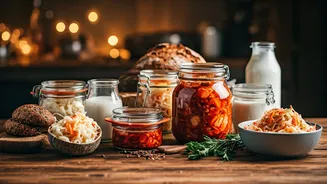
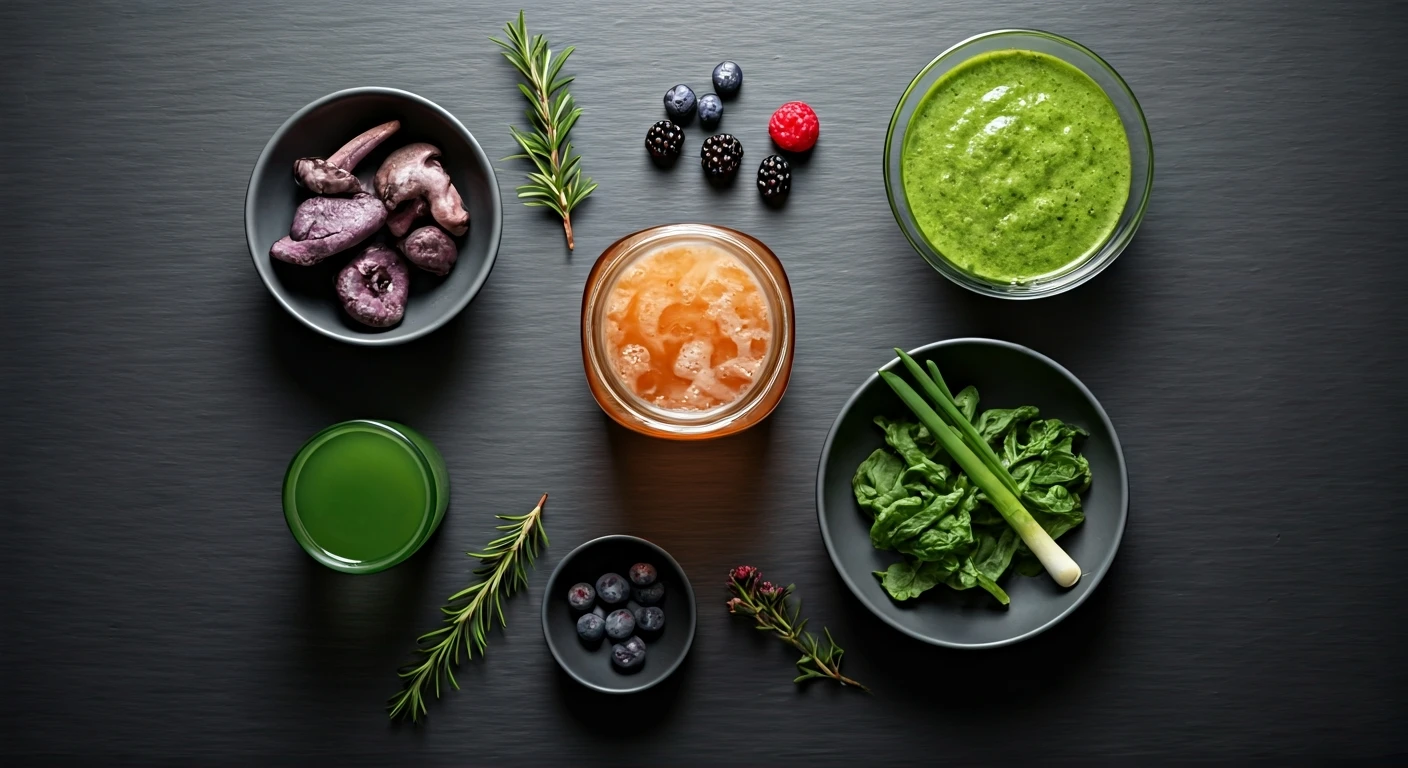
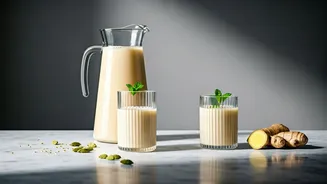
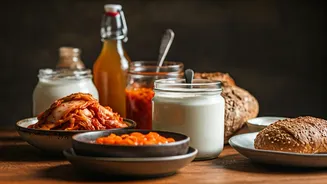
So why the shift? A huge part of the story is our growing obsession with gut health. In the last decade, the microbiome has gone from a niche scientific term to a mainstream wellness topic. We now talk about probiotics, prebiotics, and fermented foods with the same familiarity we once reserved for vitamins. This awareness has fundamentally changed how many people approach eating. We’re more attuned to how food makes us *feel*, not just how it tastes. The bloating, sluggishness, and general discomfort that can follow a heavy, processed meal are no longer seen as an acceptable price for a tasty snack. Instead, consumers are actively seeking out foods that support digestive wellness. This “gut-safe” criteria prioritizes ingredients that are easy to digest, anti-inflammatory, and nourishing, like bone broth, ginger, turmeric, and fermented vegetables. It’s a proactive approach to eating that views food as a tool for well-being.
The Street Snack's Fading Appeal
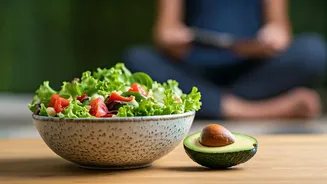
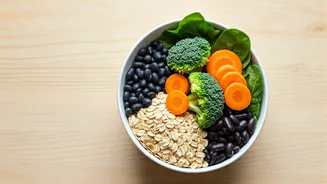
Let's be clear: the classic hot dog cart or taco truck isn't going extinct tomorrow. There will always be a place for a spontaneous, delicious, and perhaps slightly greasy treat. But for a growing number of health-aware Americans, these options are becoming less of a go-to and more of an occasional indulgence. The traditional street food model often relies on frying, heavy sauces, and refined carbohydrates—all things the modern wellness movement has taught us to moderate. When faced with the choice between a deep-fried item and a warm, nourishing grain bowl from a fast-casual spot next door, more people are choosing the latter for their everyday lunch. The perception is shifting: one is a fleeting thrill, the other is an investment in feeling good for the rest of the day. This puts street snacks in a position where they are losing their grip on the daily routines of a key consumer demographic.
Where This Trend Is Taking Root
This new wave of "rain food" is showing up everywhere, from dedicated broth bars in major cities to the menus of trendy cafes and fast-casual restaurants. Eateries specializing in sophisticated soups, porridges like kitchari or congee, and customizable grain bowls are thriving. Even meal delivery services are getting in on the action, offering curated plans focused on gut health and "clean" ingredients. The aesthetic is often minimalist and calming, a world away from the chaotic energy of a food truck rally. These establishments market themselves not just on flavor, but on function—promising to boost your energy, improve your digestion, and calm your nervous system. They are creating a new food culture where convenience doesn't have to mean compromising on health, and comfort doesn't have to come with a side of regret.