






An Escape from Summer Food Fatigue
There’s a comfortable rhythm to American summer food, a culinary soundtrack of sizzling grills, popping coolers, and the thud of a watermelon hitting a picnic table. We love it for a reason. It’s nostalgic, it’s communal, it’s easy. But by the time August
rolls around, that comfort can curdle into monotony. The parade of grilled chicken, potato salad, and rosé spritzers starts to feel less like a celebration and more like a uniform. This is the moment for a culinary intervention. Not a complicated, multi-day project, but a simple, explosive flavor experience that wakes up the senses and reminds you that summer can be about discovery, not just repetition. The term “basic” gets thrown around a lot, but when your taste buds can predict the next three months of meals, it’s time to seek out the anti-basic. It’s time to talk about rasam.
First, A Crash Course in Rasam
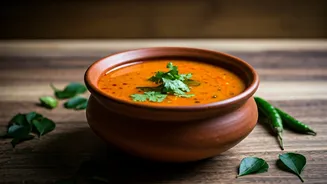
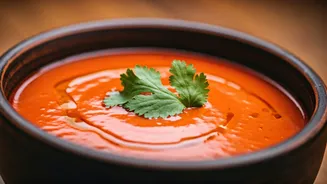
If you’re not familiar with it, rasam is a cornerstone of South Indian cuisine. Don’t call it a curry. Think of it more as a fragrant, soupy broth that’s both comforting and invigorating. The name itself comes from a word meaning “juice” or “essence,” which perfectly captures its character. While there are countless regional and family variations, most rasams share a foundational flavor profile: the sour tang of tamarind, the gentle sweetness of tomato, and a complex heat from black pepper, dried red chiles, and a signature spice blend called rasam powder. It’s thin, almost like a consommé, and can be sipped as a standalone soup to start a meal or ladled over steamed rice. In South Indian households, it's considered everything from a digestive aid to a cure for the common cold. But its greatest trick is its ability to be intensely flavorful without being heavy—a quality that makes it a year-round staple, but especially brilliant in the heat.
When Sweet Mango Enters the Chat
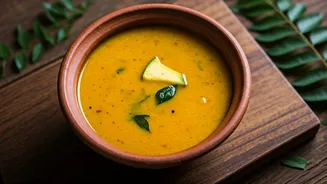
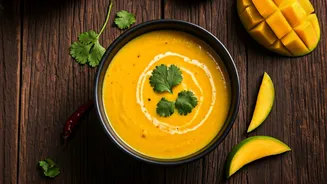
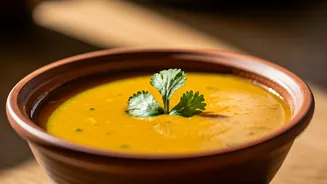
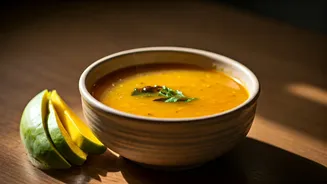
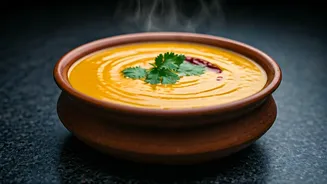
Now, imagine taking that classic sour and spicy rasam base and introducing the undisputed king of summer fruit: the ripe, luscious mango. This is where the magic happens. Known in parts of South India as *mambazha rasam*, this variation is a game-changer. The sweetness of the puréed or chunked mango doesn’t just sit on top of the other flavors; it weaves through them, creating a dynamic culinary conversation in every spoonful. The sourness of the tamarind cuts through the mango’s floral sweetness, preventing it from becoming cloying. The spicy kick of pepper and chile provides a thrilling counterpoint, a jolt of heat that makes the sweetness sing even louder. It’s a dish of beautiful contradictions: sweet yet sour, spicy yet soothing, complex yet surprisingly simple to make. It transforms the humble rasam from a daily comfort into a festive event, a celebration of mango season in its most exciting form.
Why It’s Perfect for a Hot Day
Dishes like mango rasam defy the conventional American logic of summer eating. We tend to crave things that are cold, crisp, and simple. But in many of the world’s warmest climates, the secret to beating the heat is to embrace it. The gentle spice in rasam can make you perspire slightly, a natural cooling mechanism. The soup itself is light and hydrating, not a thick, heavy stew that weighs you down. The flavor profile is the opposite of lazy. It’s a vibrant, exhilarating ride that demands your attention. It’s the dish you bring out when you want to impress friends who think they’ve tried everything. It’s what you make for yourself on a quiet Tuesday night to feel transported. Serving a bowl of warm, sweet-and-sour mango rasam on a sweltering evening is a bold move, and that’s precisely the point. It’s a delicious act of rebellion against the tyranny of the chilled and the bland.