






The End of Diet Dogma
For decades, the world of nutrition felt like a battlefield. Fat was the enemy, then it was carbs. We were told to count every calorie, then to only eat during an eight-hour window, then to eliminate entire food groups. The result for most of us wasn't
sustainable health, but confusion, frustration, and a complicated relationship with food. This constant cycle of restriction and deprivation is exhausting, and, as many experts now agree, largely unnecessary. The 'new rules' aren't about a revolutionary new diet but a return to sanity. Instead of obsessing over what to cut out, the focus has shifted to what to prioritize. This simple, three-part framework—portions, protein, and fiber—is less of a diet and more of a sustainable operating system for your body, one that works with your biology, not against it.
Rule 1: Master Your Portions
Before you even think about what you're eating, the first rule is to consider *how much*. In an era of super-sized everything, our perception of a normal serving has been warped. Portion control isn't about carrying measuring cups everywhere; it's about re-calibrating your internal gauge for 'enough.' A simple way to start is by using your hand as a guide. A serving of protein (like chicken or fish) should be about the size of your palm. A serving of carbs (like rice or pasta) should fit in your cupped hand. A serving of fats (like nuts or avocado) is about the size of your thumb. Using smaller plates can also psychologically trick your brain into feeling satisfied with less food. The goal isn't starvation, but mindfulness. By right-sizing your meals, you automatically manage your energy intake without the soul-crushing math of calorie counting.
Rule 2: Prioritize Protein
If you find yourself hungry an hour after eating, you're likely missing enough protein. Protein is the undisputed MVP of satiety—the feeling of fullness and satisfaction. When you eat a protein-rich meal, it takes longer to digest and helps stabilize your blood sugar, preventing the energy crashes and subsequent cravings that come from carb-heavy meals. It's also essential for building and maintaining muscle mass, which is crucial for a healthy metabolism. The key is to include a solid source of protein with every meal. This doesn't just mean steak and chicken breast. Excellent sources include eggs, Greek yogurt, cottage cheese, fish, lentils, beans, tofu, and edamame. Aiming for that palm-sized portion at breakfast, lunch, and dinner is a simple benchmark that will keep your hunger in check and your body fueled properly throughout the day.
Rule 3: Fill Up on Fiber
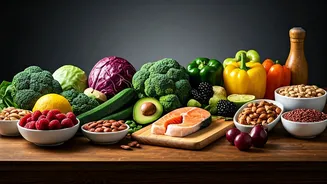
Fiber is protein’s powerful sidekick. Found in fruits, vegetables, whole grains, nuts, and seeds, fiber is a type of carbohydrate that your body can't digest. This is a good thing. It adds bulk to your meals, slowing down digestion and helping you feel full on fewer calories. It also plays a critical role in gut health, feeding the beneficial bacteria in your digestive system, and promoting regularity. A high-fiber diet is consistently linked to lower risks of chronic diseases. The easiest way to boost your fiber intake is to 'eat the rainbow.' Fill half your plate with non-starchy vegetables like broccoli, spinach, bell peppers, and cauliflower. Choose whole fruits over juice, and opt for whole grains like oatmeal, quinoa, and brown rice instead of their refined white counterparts. This simple swap not only adds fiber but also a wealth of essential vitamins and minerals.