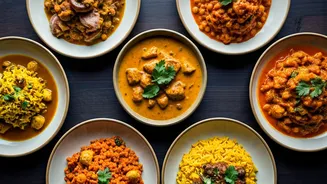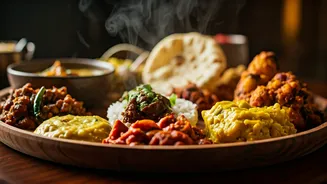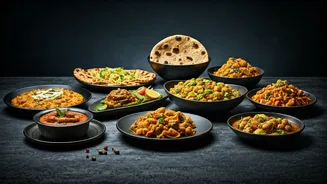



Breaking Up with the Buffet Menu
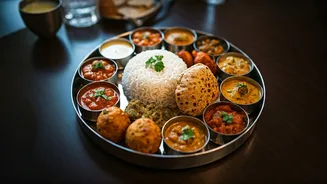
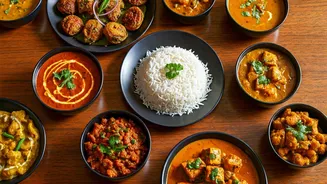
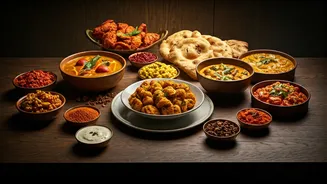
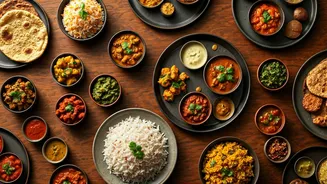
Let’s be honest: when you thought of going out for Indian food, a certain menu probably flashed in your mind. Chicken tikka masala, palak paneer, samosas, and garlic naan. While delicious, this menu is a tiny, often British-inflected, sliver of what Indian food actually
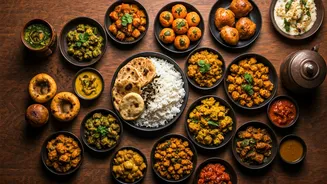
is. For years, most Indian restaurants in the U.S. served a standardized, mostly North Indian (specifically Punjabi) repertoire. It was a safe, predictable, and successful formula designed to appeal to a Western palate that was still finding its footing with global spices. This wasn’t bad food; it just wasn’t the whole story. It was the culinary equivalent of saying all American food is just burgers and fries. What was missing was the staggering diversity of a subcontinent, a place where the cuisine changes every hundred miles.
The Deliciously Specific New Wave
The new “crush” isn’t on some newly invented fusion. It’s a crush on authenticity and specificity. A new generation of Indian and Indian-American chefs are proudly rejecting the one-size-fits-all menu. Instead, they are opening restaurants dedicated to the food of their specific home regions. We’re now seeing eateries that identify not just as “Indian,” but as Goan, Bengali, Kashmiri, or Chettinad. These chefs are cooking the food of their childhoods, the dishes served at family gatherings and on the streets of Mumbai, Kolkata, or Chennai. They’re using family recipes, sourcing unique spices, and challenging American diners to explore the true map of Indian flavor. The result is an electrifying discovery for anyone who thought they knew Indian food.
A Quick Trip Around the Subcontinent
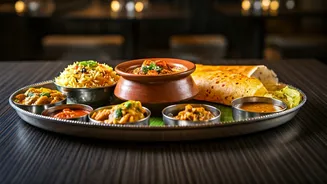
So, what does this regionality taste like? It's a world of difference. Goan cuisine, from the western coast, is famous for its Portuguese influence, featuring tangy pork vindaloo (the real, fiery kind, not the sweet-sour version), and bright, coconut-based seafood curries. Head south to Kerala and you’ll find delicate, crepe-like appam served with fragrant stews, or the abundant use of coconut, curry leaves, and black pepper. Travel to Bengal in the east, and the flavor profile shifts to a prominent use of mustard oil and a love for freshwater fish and subtle, complex sweets. In the mountains of Kashmir, the food is rich and meat-centric, featuring lamb dishes like rogan josh and complex feasts called Wazwan, with delicate flavors of saffron, cardamom, and fennel. Each region tells a different story through its ingredients and techniques.
Why Now? Culture, Confidence, and Cravings
This culinary movement didn’t happen in a vacuum. It’s being driven by a perfect storm of factors. First, second-generation Indian-American chefs have come of age. They possess both a deep connection to their heritage and the culinary training and confidence to present it unapologetically. Figures like Chintan Pandya of New York's acclaimed Dhamaka and Adda have become evangelists for what they call “unapologetic Indian food.” Second, American diners are more adventurous than ever. Decades of foodie culture, travel shows, and Instagram have created a clientele that actively seeks out authentic, novel experiences. They don’t want the watered-down version; they want the real deal. Finally, there's a sense of cultural reclamation. These restaurants are more than just places to eat; they are declarations of pride, celebrating the specific identities that were once flattened for mainstream acceptance.