

Patoleo: The Fragrant Star
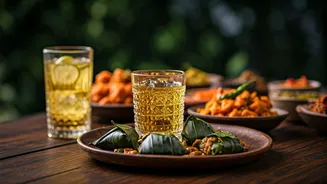
If there is one dish that encapsulates the spirit of Sao Joao, it’s patoleo. These delicate parcels are a masterpiece of monsoon-season cooking. A sweet, moist filling of freshly grated coconut and rich, dark Goan palm jaggery is encased in a paste made
from red rice. This mixture is then carefully spread onto fragrant turmeric leaves (haldi-kona) before being steamed to perfection. As they cook, the leaves impart a subtle, earthy aroma that is absolutely intoxicating. Unwrapping a warm patoleo is an experience in itself. The turmeric leaf peels away to reveal a soft, sweet cake that tastes of coconut, caramel, and the rain-soaked earth. It’s a nostalgic treat that Goans associate deeply with this time of year.
Sannas: Spongy Rice Cakes
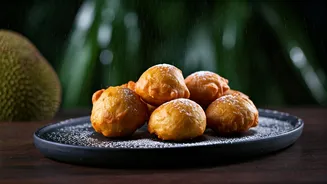
Sannas are to Goan feasts what fluffy dinner rolls are to an American holiday meal, but with a unique twist. These steamed, slightly sweet rice cakes are light, airy, and wonderfully spongy, perfect for soaking up the rich gravies of Goan curries. Their distinct flavor and texture come from a traditional fermenting agent: toddy, the sap of the coconut palm. This natural yeast gives the sannas a subtle tang that sets them apart from other rice cakes. While they are a classic accompaniment to savory dishes like pork sorpotel or chicken xacuti, they can also be enjoyed on their own as a simple, sweet snack, sometimes with a drizzle of coconut milk and jaggery. Their versatility makes them a staple on the Sao Joao celebratory table.
Feni and Urrak: The Spirit of Celebration
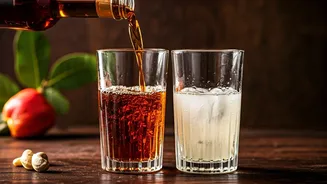
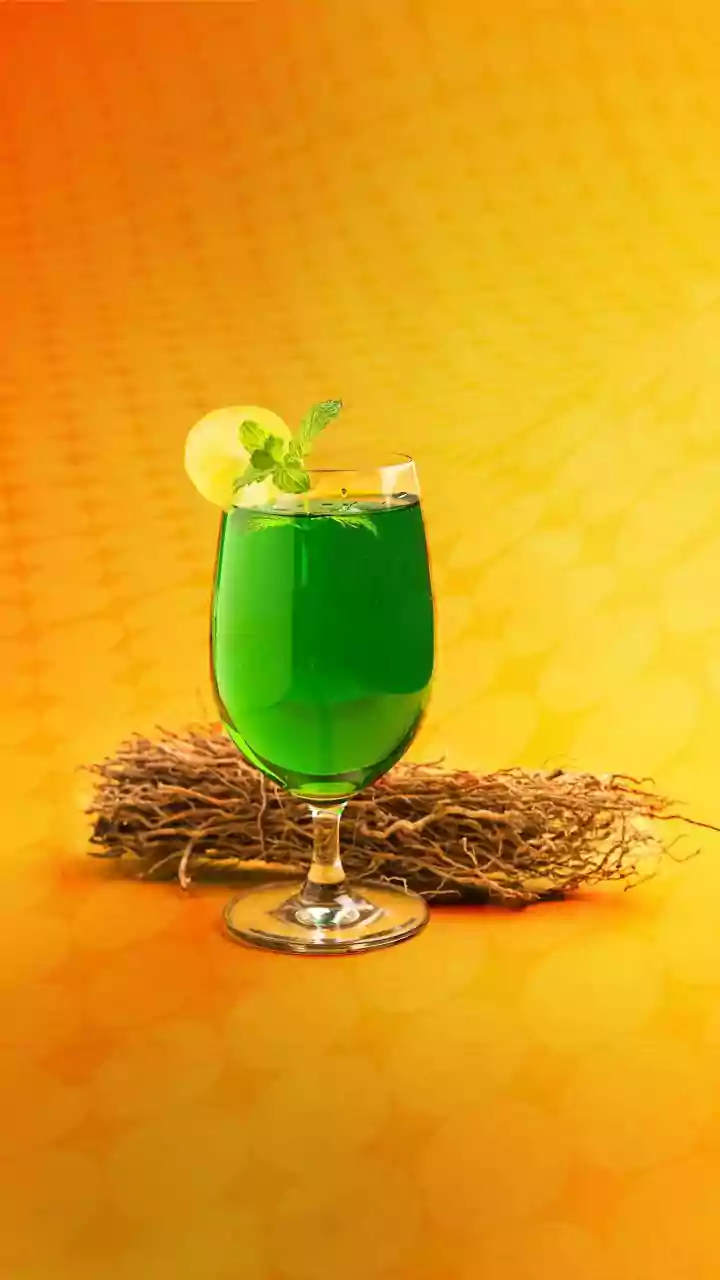
You can’t talk about a Goan celebration without mentioning its legendary spirits. Sao Joao is no exception. Feni, a potent spirit double-distilled from either cashew fruit or coconut sap, is the state’s most famous export. It has a powerful, fruity, and entirely unique aroma. But the real monsoon treat is Urrak. As the first single distillation of the cashew mash, Urrak is lighter, fruitier, and less alcoholic than Feni. It's a seasonal beverage, available only during the monsoon months, making it inextricably linked to festivals like Sao Joao. Locals mix it with lime soda or fresh orange juice, creating a refreshing cocktail that fuels the day’s revelry. A glass of Urrak is considered the essential drink for getting into the festive, carefree spirit of the day.
A Bounty of Seasonal Fruits
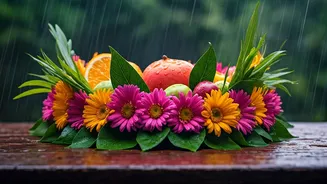
Sao Joao is, at its heart, a festival of thanksgiving for the arrival of the monsoon, which brings life back to the land. This is reflected in the abundance of fresh, seasonal fruits that are shared and eaten. Platters overflow with ripe mangoes, sweet and fibrous jackfruit, and juicy pineapples. These fruits are not just served fresh; they are also incorporated into dishes and desserts. Jackfruit might be turned into a savory curry (dhonas) or a sweet cake, while mangoes are blended into puddings or served alongside other sweets. This fruit-forward aspect of the feast is a direct celebration of the season's first harvest and a reminder of nature's bounty.
Hearty Curries: Sorpotel and Beyond
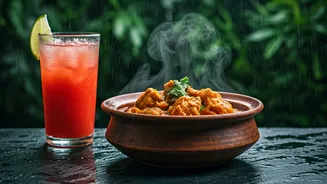
While sweets and fruits are central, no Goan feast is complete without a spread of hearty, complex curries. Sorpotel is the undisputed king. This rich, spicy, and tangy pork stew is a hallmark of Goan Catholic cuisine, often prepared days in advance to allow its deep flavors to mature. Made with vinegar, chiles, and a complex blend of spices, it’s a fiery and deeply satisfying dish best mopped up with sannas or Goan bread (pao). Alongside sorpotel, you might find other classics like Chicken Xacuti, a flavorful curry made with roasted coconut and a host of spices, or a tangy fish curry that showcases the coastal state's incredible seafood. These dishes form the savory backbone of the Sao Joao meal, providing warmth and substance to balance the sweet treats and festive drinks.