



The New Definition of Five-Star
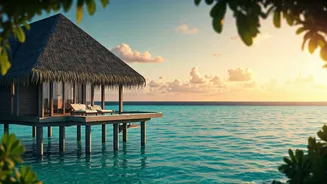
For decades, the concept of a luxury getaway was tied to material excess—opulent suites, Michelin-starred dining, and meticulously manicured resorts. But a quiet revolution is underway in the minds of discerning travelers. The new five-star experience
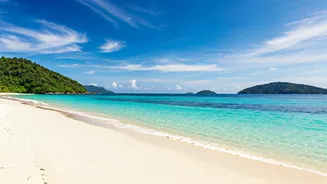
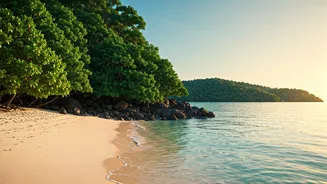
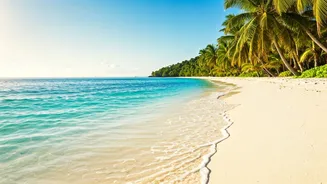
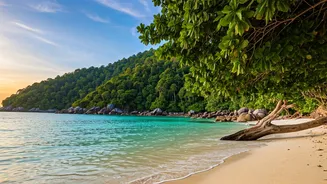
isn’t about what’s been built on the land, but about the land itself. It’s the feeling of walking along a mile of coastline and seeing only your own footprints, the sound of gentle waves uninterrupted by jet skis, and the sight of a sky so dark you can see the Milky Way. This is the currency of the Andaman Islands, a remote archipelago in the Bay of Bengal that has, partly by design and partly by geography, preserved a sense of untouched paradise. Here, luxury is measured in acres of empty sand and the profound peace that comes with it.
Havelock Island: The Popular Anomaly
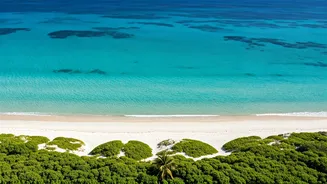
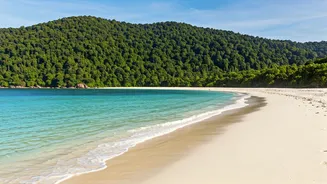
The main hub for visitors is Havelock Island, officially known as Swaraj Dweep. It’s home to Radhanagar Beach, once famously crowned “Asia’s Best Beach” by TIME Magazine. A title like that usually spells doom, inviting hordes that trample the very beauty being celebrated. Yet, Radhanagar manages to absorb its visitors with astonishing grace. The beach is a vast, sweeping crescent of white powder flanked by a thick wall of tropical forest. Its sheer scale means that even on a 'busy' day, a short walk in either direction will reward you with glorious solitude. You can find your own private patch of shade under a towering Mahua tree and watch the turquoise water fade into a deep, sapphire blue. This is the Andamans’ magic trick: delivering world-class beauty without the suffocating crowds that typically follow.
Chasing Solitude on Quieter Shores
For those truly committed to the pursuit of emptiness, Havelock is just the beginning. A short ferry ride away lies Neil Island (Shaheed Dweep), Havelock’s sleepier, more rustic sibling. Life moves at a slower pace here. The beaches, like the sublime Laxmanpur Beach, are famous for their sunsets and natural coral-bridge formations, best explored at low tide. Here, the luxury is a bicycle, a quiet road shaded by palms, and a string of serene beaches—Bharatpur, Sitapur—where you’re more likely to share the sand with crabs than with other tourists. Venture even further to places like Long Island or Diglipur, and you’re entering a realm of deep eco-tourism, where the primary infrastructure is nature itself. These aren’t places you go for nightlife; they are places you go to hear the world breathe.
A World Beneath the Waves
The quiet above the water is directly connected to the vibrancy below it. The Andaman Sea is one of the world’s richest marine biodiversity hotspots. Because the islands have been largely spared from the intensive development that plagues other tropical destinations, their coral reefs remain brilliantly alive. Snorkeling off Elephant Beach or diving at one of the many sites around Havelock reveals a world of psychedelic-colored fish, graceful sea turtles, and intricate coral gardens. The emptiness of the beaches translates to an underwater ecosystem that hasn't been overwhelmed. It’s a powerful reminder that the most valuable things are often the most fragile, and that the Andamans' greatest offering is its commitment—whether intentional or not—to preservation.