



More Than Just a Label
First, let’s get clear on “quiet luxury.” The term blew up in fashion, referring to logo-free, impeccably made clothing that whispers wealth instead of shouting it. Think cashmere sweaters without a brand name or a perfectly tailored coat that costs a fortune
but looks understated. But the concept has evolved far beyond the closet. At its core, quiet luxury is a mindset focused on experience over spectacle, craftsmanship over branding, and substance over flash. It’s about investing in things that offer intrinsic value and a deep sense of personal satisfaction, not just external validation. It favors heritage, quality, and timelessness. In a world saturated with fleeting trends and loud declarations, quiet luxury is the confident, self-assured alternative. It’s less about what you have and more about how you live.
The Perfect Stage for Subtlety
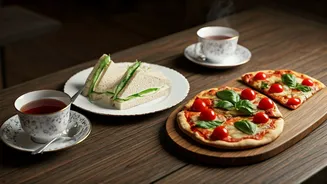
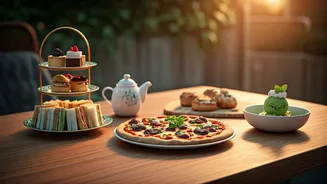
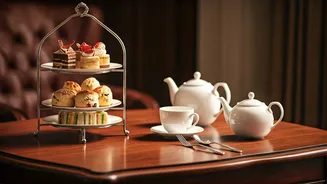
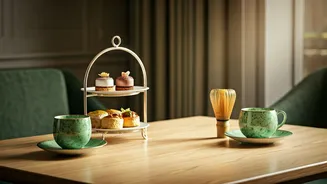
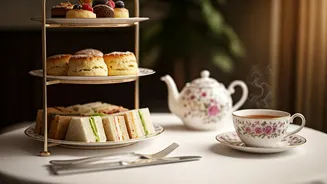
Enter high tea, or more accurately, afternoon tea. (While the terms are often used interchangeably in the U.S., “high tea” was historically a more substantial evening meal for the working class, while “afternoon tea” was the leisurely, aristocratic affair we now associate with tiered trays.) This ritual is a masterclass in quiet luxury. It’s an experience built on a foundation of tradition and precision. There are no flashing lights or thumping basslines, only the gentle clink of porcelain and hushed conversation. The value is in the details: the perfectly cut, crustless finger sandwiches; the warm, crumbly scones served with clotted cream and jam; the exquisite, miniature pastries that are as much art as dessert. The focus isn't on a single, massive main course but on a curated progression of small, high-quality delights. It’s an event that requires you to slow down, savor each bite, and appreciate the craft involved.
An Antidote to Modern Dating
This trend’s rise isn’t happening in a vacuum. For many, modern dating has become a numbers game defined by endless swiping, ambiguous intentions, and low-effort hangouts. The “let’s grab a drink” default can feel transactional and disposable. A high tea date is the polar opposite. It’s inherently intentional. You have to make a reservation, often weeks in advance. There’s an implicit dress code that encourages putting in a little effort. Most importantly, its structure is designed for conversation. There’s no movie to watch or loud music to shout over. You are seated across from your date for one to two hours, with the ritual of pouring tea and selecting pastries serving as a natural, gentle lubricant for dialogue. It signals a desire for genuine connection and a shared experience, moving dating from a casual pastime to a thoughtful event.
An Accessible Indulgence
While associated with five-star hotels and a certain tax bracket, the 'luxury' in this case is more about the experience than the price tag. A proper afternoon tea can certainly be expensive, but when compared to a multi-course dinner with wine or a night of high-end cocktails at a trendy bar, it often provides more perceived value. You’re not just paying for food; you’re paying for the ambiance, the service, the tradition, and two hours of dedicated, elegant time. For many, it’s a special-occasion splurge that feels more memorable and unique than another standard dinner out. It’s a way to participate in a luxurious experience without needing a black card, which perfectly aligns with the quiet luxury ethos of prioritizing quality experiences that enrich your life.