


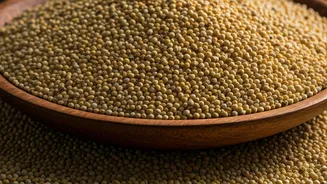
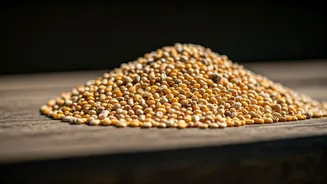


First, What Are Millets?
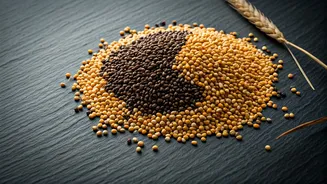
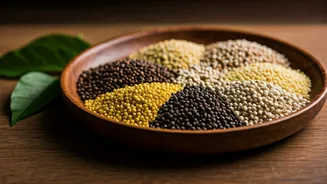
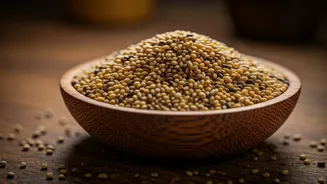
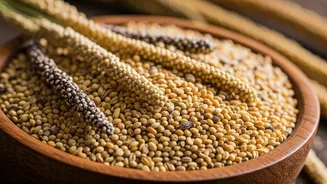
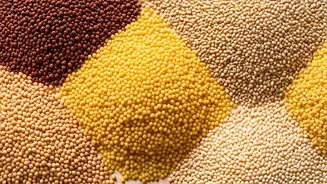
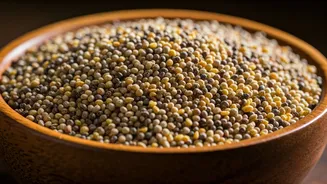
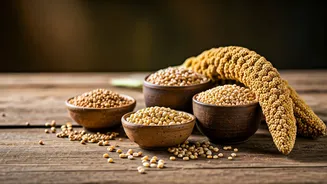
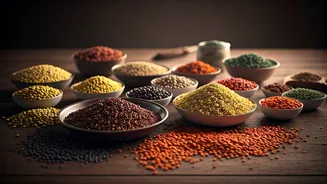
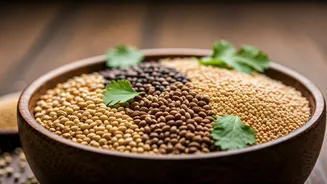
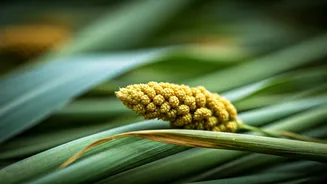
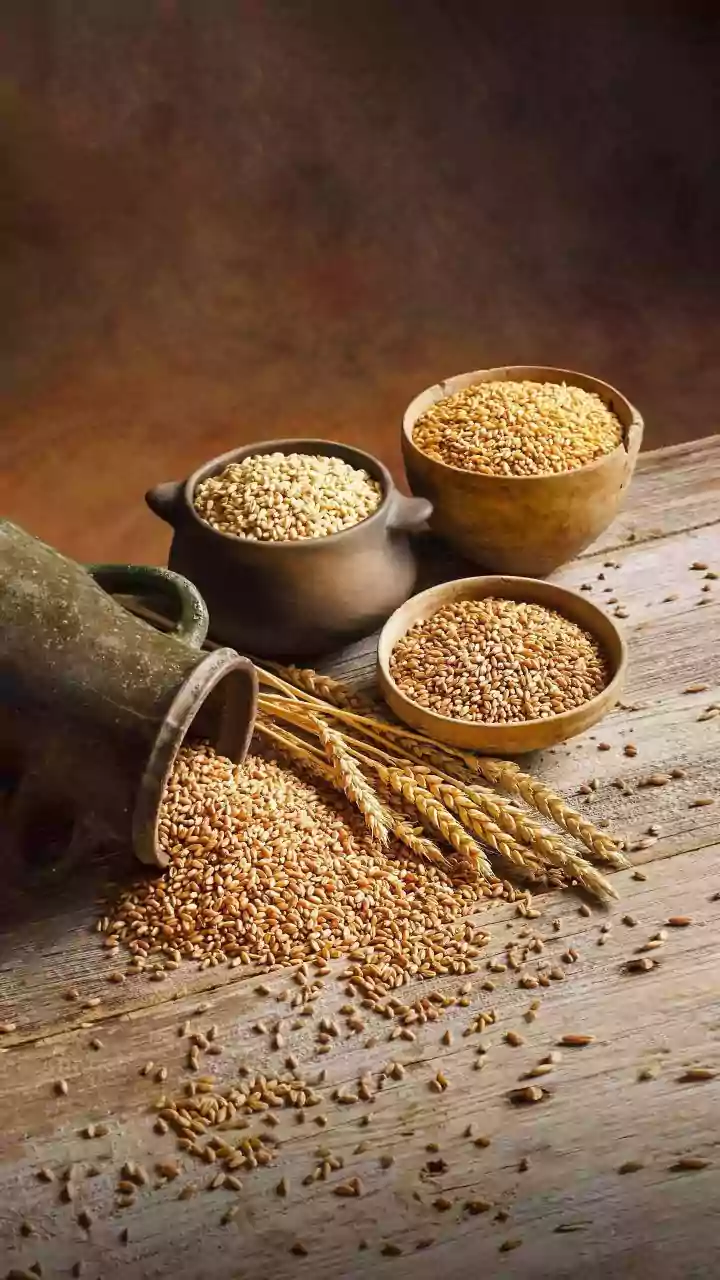
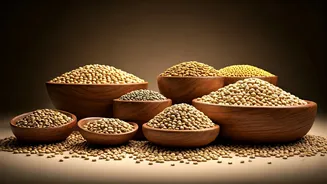
Before we get into the comeback, let’s talk about the main character. Millets aren’t a single grain; they’re a family of small-seeded grasses that have been cultivated for thousands of years. Think of them as the indie band of the grain world, overshadowed
by pop superstars like wheat and rice. The group includes varieties like sorghum (jowar), pearl millet (bajra), and finger millet (ragi), each with its own texture and flavor. For centuries, these were the bedrock of the Indian diet—hearty, nutritious, and incredibly resilient. They were used to make everything from flatbreads and porridges to fermented drinks. But if they were so great, why did they need a comeback?
How a Superfood Became Forgotten
The story of millet’s decline is a classic tale of unintended consequences. In the 1960s, India’s Green Revolution was a massive agricultural push to combat famine. The government heavily subsidized and promoted high-yield crops, specifically wheat and rice. It worked, dramatically increasing food production. But it also sidelined traditional crops like millets. Suddenly, rice and wheat were the grains of aspiration and modernity, distributed through public food systems. Millets, which required less water and no fertilizer, were pushed to the margins, becoming viewed as “poor people’s food” or rural fare. For generations of urban Indians, millets were something their grandparents ate, not a staple for a modern family.
The Modern Millet Makeover
So what changed? A perfect storm of global and local trends. For starters, health and wellness became a priority for a growing urban middle class. Young, globally-connected Indians started looking for healthier alternatives to processed foods. Millets fit the bill perfectly: they’re naturally gluten-free, high in protein and fiber, and have a low glycemic index, making them ideal for managing diabetes, a major health concern in India. At the same time, concerns about climate change have cast a new light on these “forgotten” grains. Millets are what experts call “climate-smart” crops. They thrive in arid conditions, require a fraction of the water needed for rice, and grow without chemical fertilizers, making them a sustainable choice for a water-stressed world. This combination of personal health and planetary health has made millets cool again.
From Cafes to Instagram Feeds
This revival isn't just happening on farms; it’s being driven by urban culture. Entrepreneurs are launching startups dedicated to millet-based products, from pasta and pancakes to beer. Trendy cafes in Mumbai and Bangalore now feature millet bowls and ragi-based brownies on their menus. Chefs are experimenting with ancient grains to create innovative, modern Indian cuisine. On social media, influencers post recipes for millet smoothies and quinoa-style salads, rebranding the humble grain for a new generation. The Indian government has also thrown its weight behind the movement, successfully campaigning for the UN to declare 2023 the “International Year of Millets,” a move that has sparked national pride and further boosted their profile.