



Kerala: The Emerald Embrace
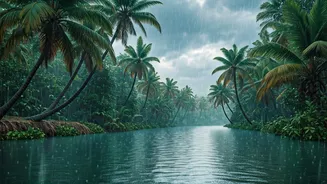
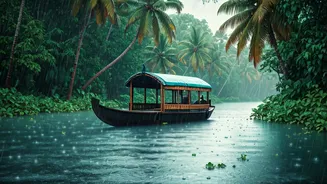
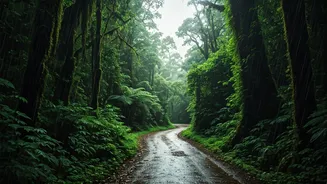
If there's one place that perfectly captures the romance of the Indian monsoon, it's Kerala. Known in tourism circles as “God’s Own Country,” the state seems to sigh in relief as the first rains of June wash over its emerald landscape. This isn't a dreary,
stay-inside kind of rain. It's a life-giving force that swells the famous backwaters, making a houseboat journey through the network of canals and lagoons an almost mystical experience. The rhythmic drumming of rain on the roof, the scent of wet earth mixed with tropical flowers, and the sight of locals navigating the waterways in tiny canoes create a sensory overload in the best possible way. Beyond the scenery, the monsoon is considered the best time for Ayurveda, the ancient Indian system of medicine. The cool, moist, and dust-free atmosphere is believed to help the body become more receptive to treatments. Many resorts offer specialized wellness packages, turning a rainy vacation into a full-blown rejuvenation retreat. Instead of fighting for a spot on a crowded beach, you can sip fragrant chai from a veranda, watching the world turn a thousand shades of green. It’s a slower, more profound way to travel, trading frenetic sightseeing for deep, immersive relaxation.
Tamil Nadu: The Cultural Sanctuary
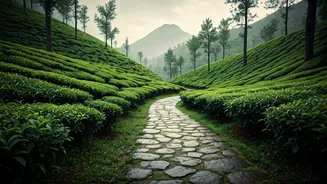
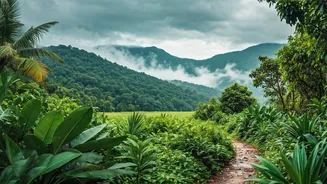
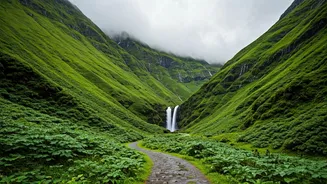
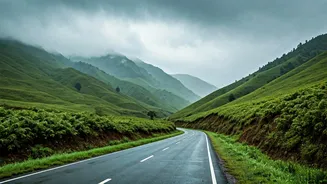
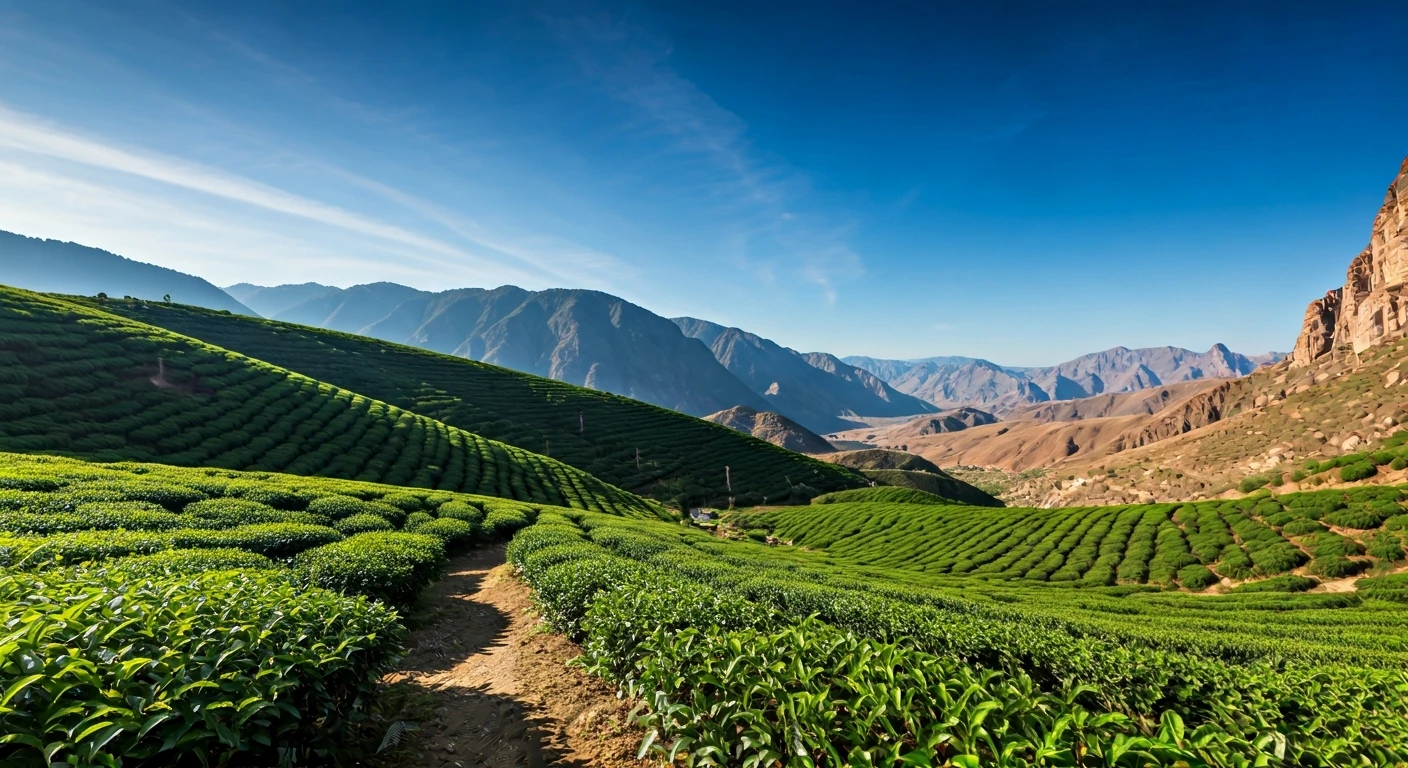
Just east of Kerala lies a fascinating counterpoint: Tamil Nadu. While Kerala gets drenched by the Southwest Monsoon starting in June, much of Tamil Nadu sits in a “rain shadow,” meaning the mountains block a significant amount of the rainfall. You'll still experience overcast skies and occasional showers, but you won't face the constant downpours of its western neighbor. This makes it an ideal pick for travelers who want the monsoon atmosphere without the logistical challenges. The lighter rain means it’s the perfect season for cultural exploration. Imagine wandering through the sprawling, jaw-dropping temple complexes of Madurai or Thanjavur without the scorching sun and suffocating humidity of the peak season. The crowds are thinner, the air is cooler, and the ancient stone structures, slick with a thin sheen of rain, feel even more timeless. The state’s hill stations, like Kodaikanal and Ooty, are shrouded in mist, lending them an ethereal, storybook quality. It’s a chance to see some of India's most significant historical sites with a sense of peace and solitude that’s rare during the rest of the year.
Lakshadweep: The Adventurous Off-Season Gamble
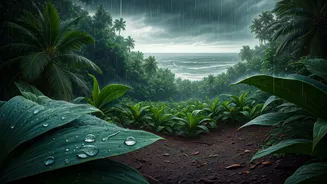
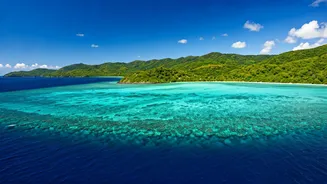
Now for the wild card. Recommending a visit to the remote coral atolls of Lakshadweep during the monsoon is, admittedly, a choice for the truly adventurous soul. This is not your typical beach vacation. The seas can be rough, making the journey by ship from the mainland an adventure in itself (flights can also be unpredictable). Many water sports are suspended, and some smaller resorts may even close for the season. So why go? For solitude. Absolute, unadulterated solitude. If your idea of paradise is having a tropical island almost entirely to yourself, this is your chance. The monsoon transforms Lakshadweep from a bustling tourist hub into a quiet, introspective haven. You'll witness the raw power of the ocean, see squalls roll in across the turquoise lagoons, and experience the islands as the locals do. It's an opportunity for reading, writing, and connecting with a wilder side of nature. This trip requires flexibility, a relaxed attitude toward schedules, and a willingness to embrace the unpredictable. It isn’t for the first-time visitor seeking a flawless tropical escape, but for the seasoned traveler looking for an unforgettable story, it’s an unparalleled opportunity.