

Defining the 'Rain-Day Plate'
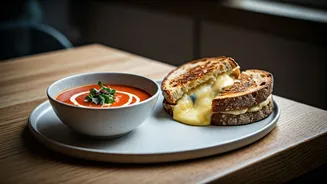
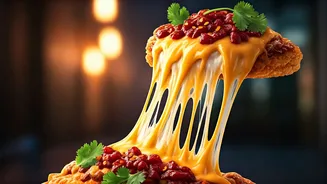
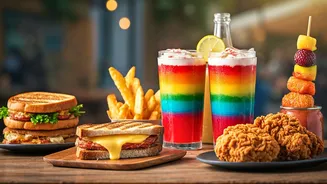
So, what exactly is a “rain-day plate”? It’s less a specific dish and more of a feeling. Think of the food you wanted as a kid when a thunderstorm rolled in, canceling your outdoor plans. It’s a grilled cheese sandwich, perhaps with the crusts cut off,
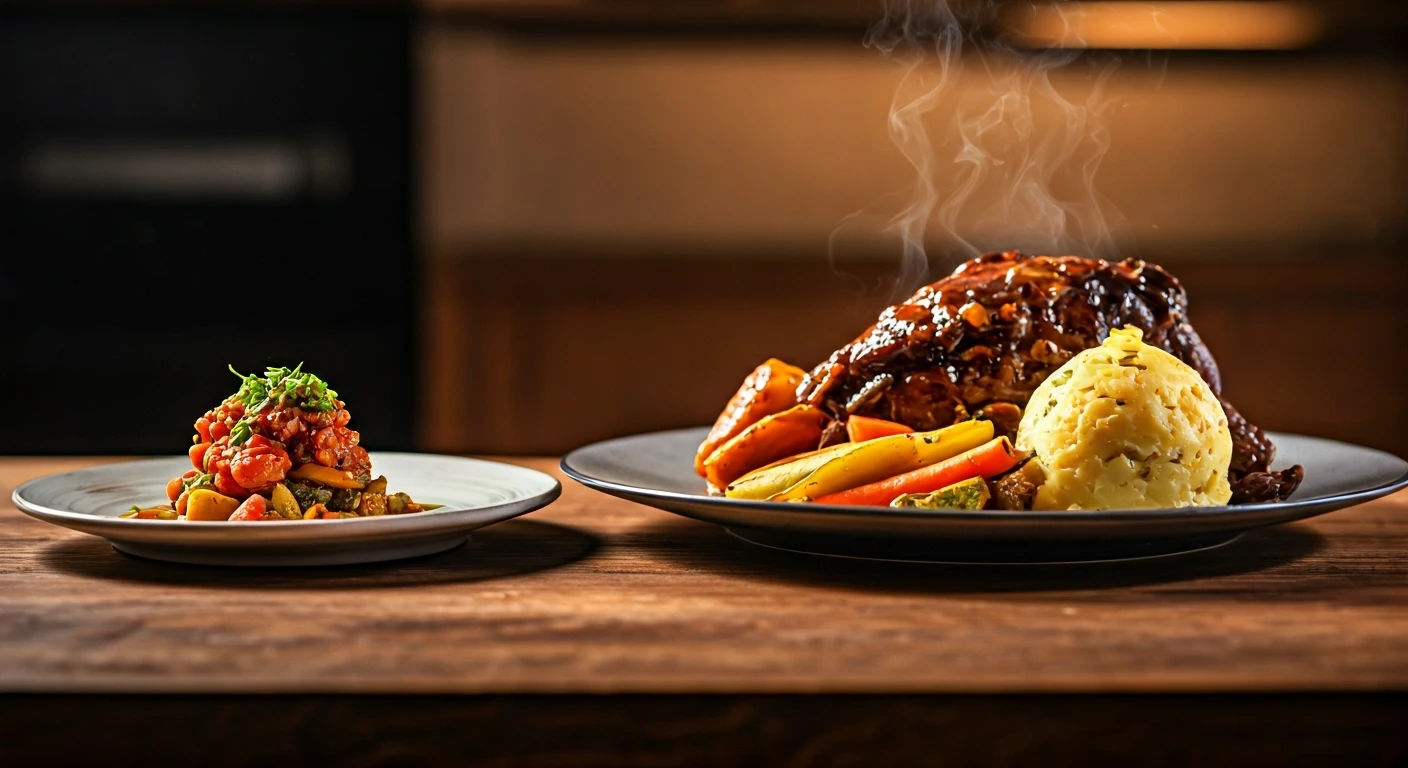
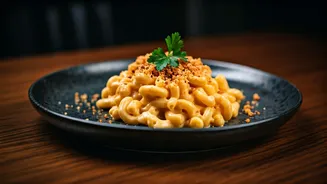
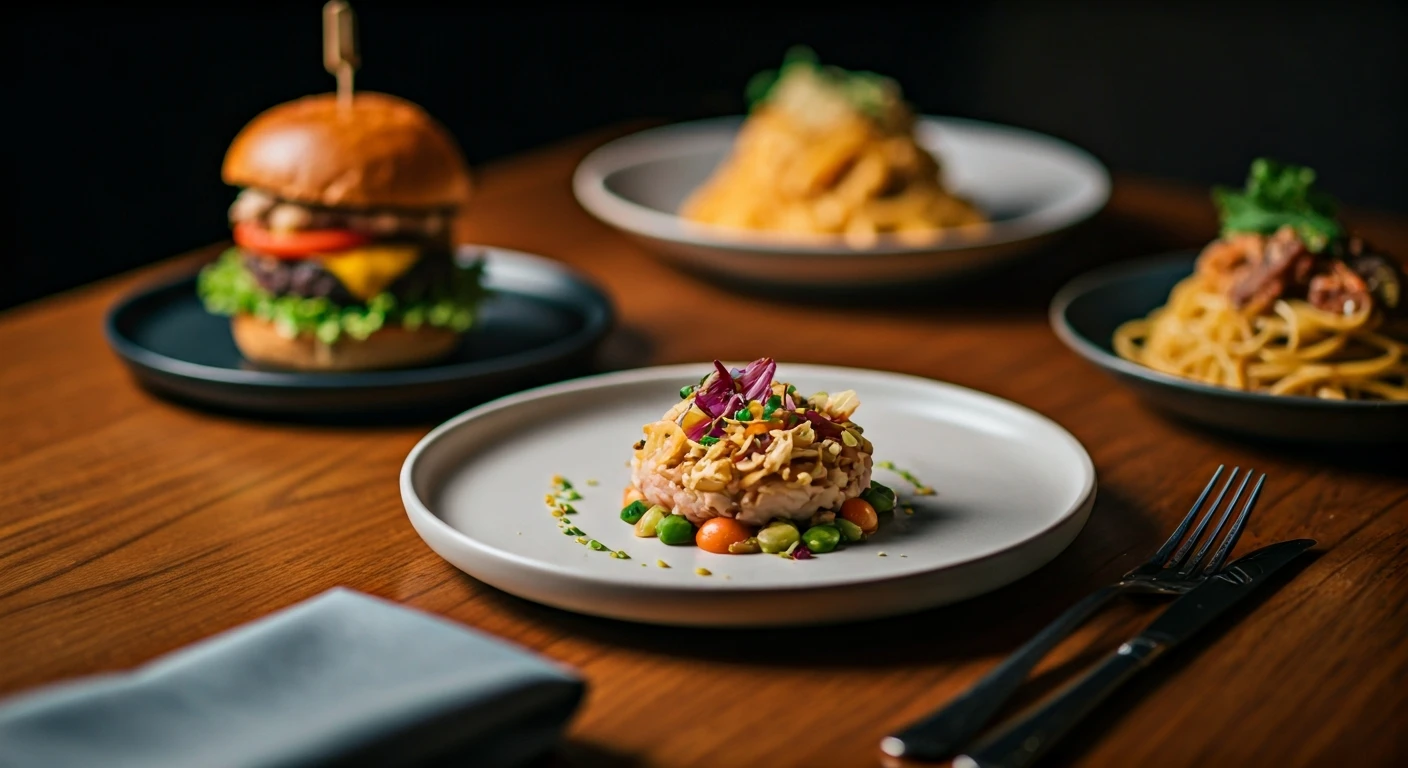
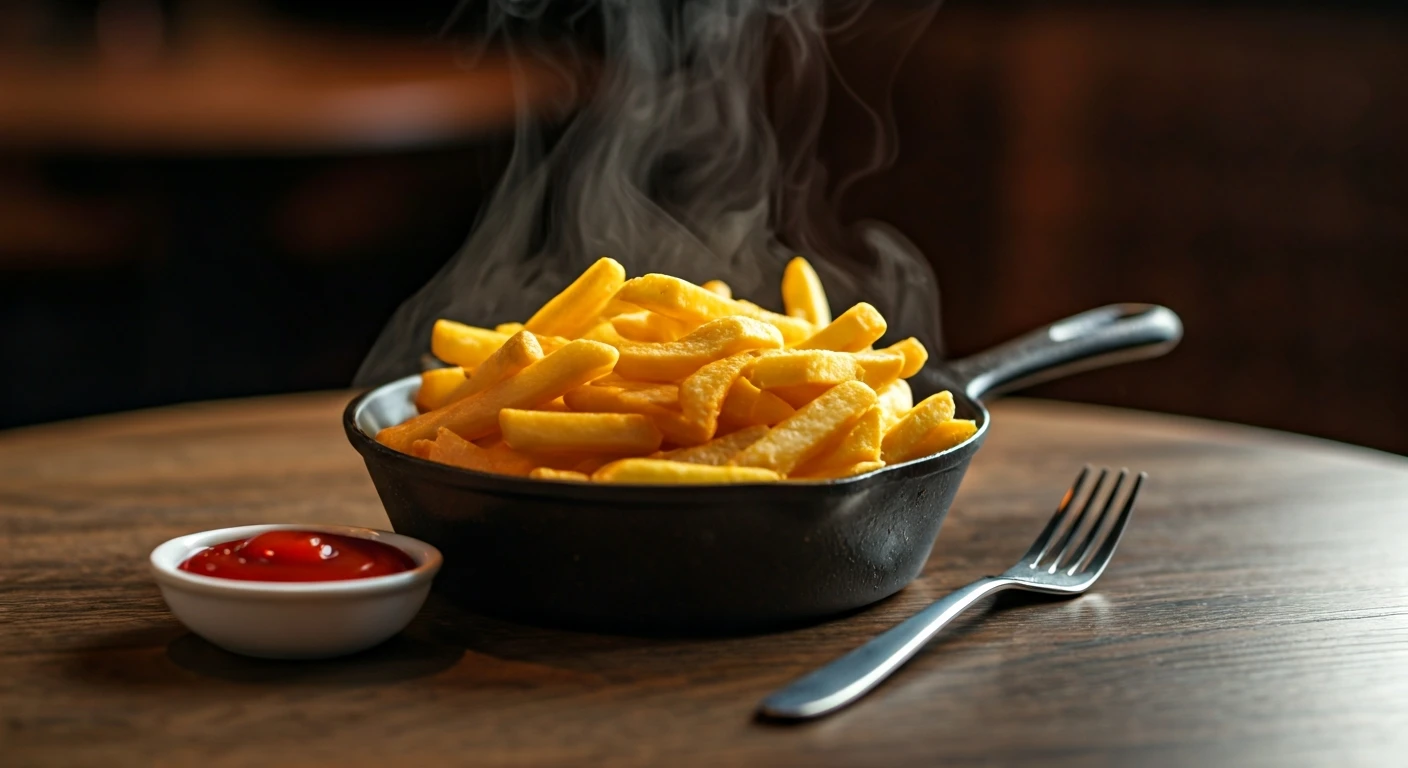
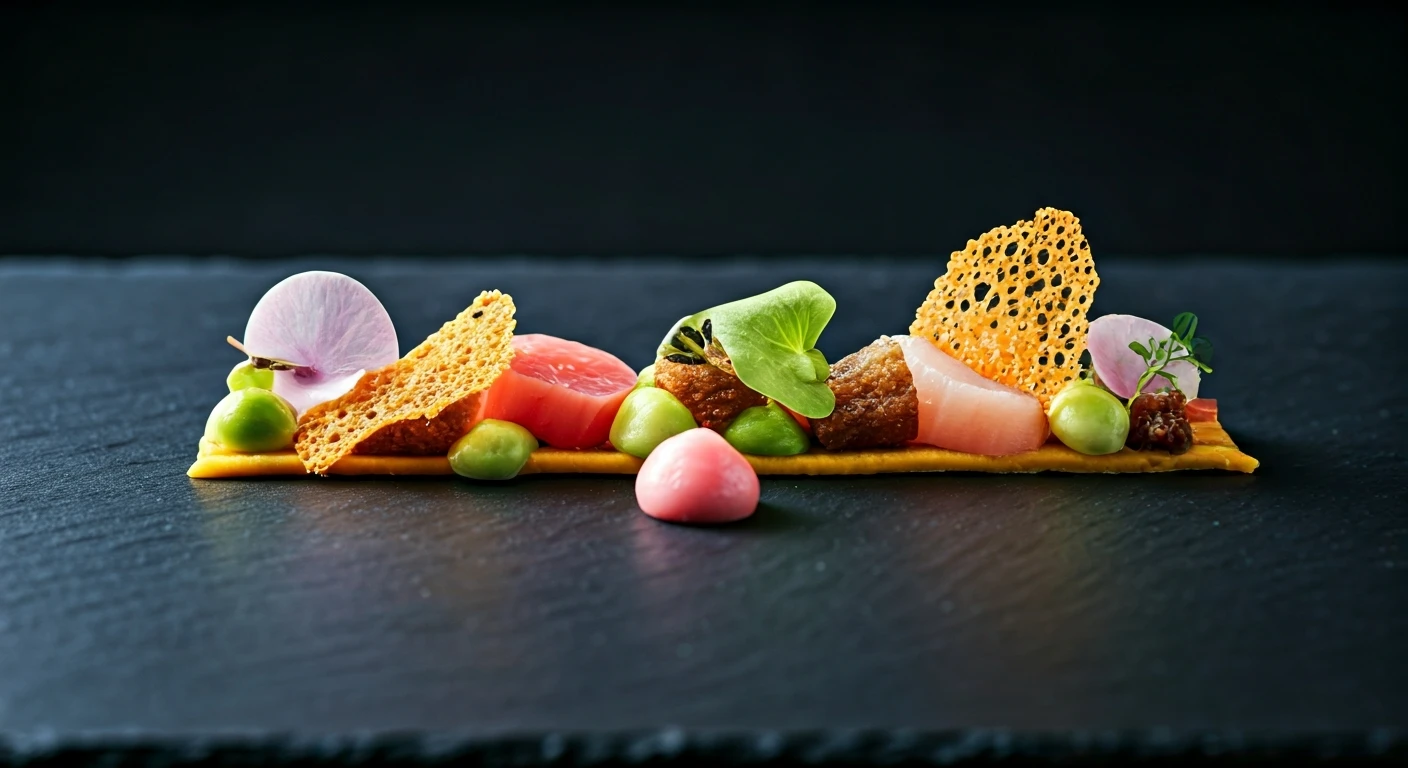
served alongside a steaming bowl of creamy tomato soup for dipping. It's a hearty mac and cheese with a golden, bubbly top. Or maybe it’s a simple pot pie, with a flaky crust giving way to a savory, soul-warming filling. This isn’t the food of molecular gastronomy, with its foams, gels, and deconstructions. It's the antithesis of tweezers-and-microgreens plating. Rain-day plates are defined by their sincerity. The ingredients are recognizable, the flavors are direct and satisfying, and the primary goal isn’t to challenge the diner, but to comfort them. It’s food that feels like a hug from the inside out, engineered to soothe, not to impress.
The Backlash Against 'Foodie' Culture
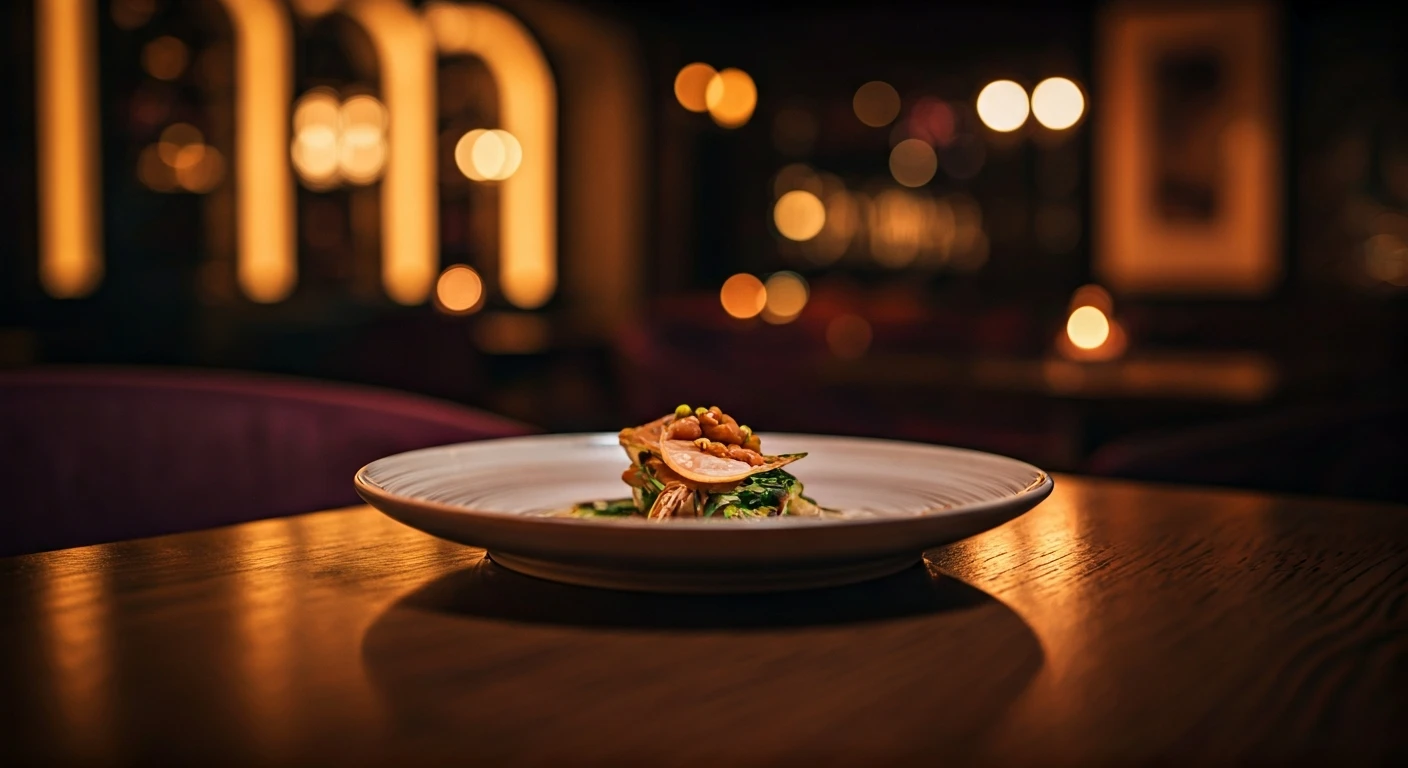
For the better part of a decade, dining out felt like a competitive sport. Driven by the visual demands of Instagram, restaurants chased photogenic, often overwrought dishes. Menus became laundry lists of obscure ingredients and complex techniques, turning a simple dinner into a homework assignment. Did your meal look good on the grid? That was often more important than how it tasted or made you feel. The rise of the rain-day plate is a quiet but firm rejection of that ethos. It’s a collective exhale. Chefs and diners alike are rediscovering the joy of food that doesn't require a filter or an explanation. This shift prioritizes flavor and feeling over fussy presentation. It’s part of a broader movement towards authenticity, akin to the “ugly delicious” philosophy: food doesn’t have to be pretty to be profound. By stripping away the pretension, restaurants are finding a more honest connection with their customers, one based on shared memories and simple pleasures.
A Menu for Anxious Times
It’s no coincidence this trend is gaining traction now. We live in a world of constant notifications, economic uncertainty, and lingering post-pandemic anxiety. In times of stress and instability, we naturally seek out things that feel safe, predictable, and reliable. Comfort food is, in many ways, an edible security blanket. There are no surprises in a perfect bowl of chicken noodle soup; its ability to comfort is baked into its DNA. A slice of meatloaf doesn’t have a controversial opinion or a volatile stock price. It just tastes like home. These dishes connect us to a simpler time—or at least, a time we remember as being simpler. They are a form of culinary time travel, offering a brief respite from the pressures of the modern world. By putting these items on the menu, restaurants are providing more than just sustenance; they are offering a small, delicious dose of psychological relief.
Nostalgia, But Make It Gourmet
But this isn't simply a case of restaurants opening a can of Campbell's soup and calling it a day. The modern rain-day plate is about elevating childhood classics, not just recreating them. It’s nostalgia viewed through an adult lens, with an adult palate. That grilled cheese might now be made with aged Gruyère and sharp cheddar on artisanal sourdough, served with a tomato soup that’s been slow-roasted with basil and garlic. The mac and cheese could feature a blend of four cheeses, a hint of truffle, and a topping of herbed panko breadcrumbs. The pot pie might swap out cubed carrots for roasted root vegetables and use a rich, slow-braised short rib as its base. It’s the memory of the original that draws us in, but it’s the chef’s skillful upgrade that makes it a dish worth paying for. This approach satisfies both our inner child, who craves comfort, and our adult self, who appreciates quality and craft.