


Why Moisture Is the Enemy
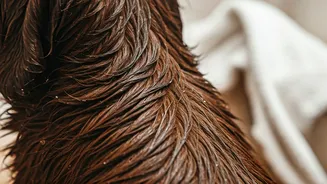
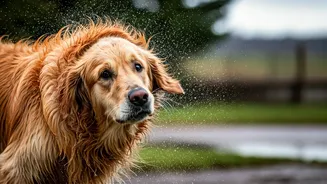
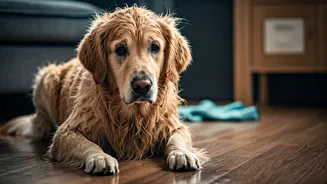
A dog’s coat is its first line of defense, but it can also be a liability in damp weather. Dense fur, especially in double-coated breeds, traps moisture against the skin. This creates a warm, humid micro-environment that is an ideal breeding ground for
bacteria and yeast that are normally present in small, harmless numbers. When these microorganisms multiply unchecked, they disrupt the skin's natural barrier, leading to irritation, inflammation, and infection. Think of it like leaving a damp towel in a gym bag. It doesn’t take long for it to develop a funky smell and mildew. Your dog's skin, trapped under a wet coat, faces a similar challenge. The constant moisture prevents the skin from breathing and drying out properly, turning minor scratches or insect bites into major infections.
Conditions to Watch For
While you might just notice your dog scratching more than usual, several specific conditions flare up in high humidity. Knowing what to look for can help you act fast. **Hot Spots (Acute Moist Dermatitis):** These are the most dramatic and common issue. A hot spot appears suddenly as a red, raw, and weeping area of skin that can grow alarmingly fast. They are intensely itchy and painful, causing dogs to lick, chew, and scratch the area, which only makes it worse. They often have a foul odor and are sticky to the touch. **Yeast Infections (Malassezia Dermatitis):** If your dog suddenly smells like corn chips or stale bread and has greasy, thickened, or flaky skin (often in skin folds, ears, or around the paws), a yeast overgrowth could be the culprit. This condition is incredibly itchy and can lead to chronic skin changes if left untreated. **Bacterial Infections (Pyoderma):** These can manifest as pimple-like pustules, red bumps, or crusty, circular lesions. Pyoderma often occurs as a secondary infection on top of allergies or hot spots, as the damaged skin barrier allows bacteria to invade.
Your Proactive Prevention Toolkit
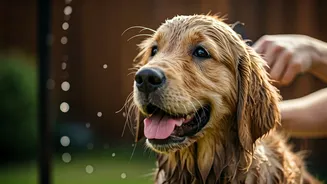
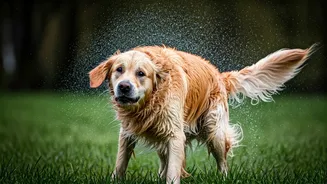
The best defense is a good offense. Taking a few extra steps during the damp season can save your dog a lot of discomfort and save you a vet bill. **Dry, Dry, Dry:** This is the golden rule. After every walk in the rain, swim, or bath, dry your dog thoroughly. Use a highly absorbent towel first. For dogs with thick undercoats, a blow-dryer on a cool, low setting is your best friend. Make sure to get into the hard-to-reach spots like the armpits, groin, and between the toes. **Focus on Paws and Ears:** These areas are prime real estate for moisture-loving microbes. Gently wipe your dog’s paws and check between the pads after they’ve been outside. Use a veterinarian-approved ear cleaner weekly or after swimming to maintain a healthy, dry ear canal. **Maintain the Coat:** Regular brushing is crucial. It removes loose fur, prevents matting that can trap moisture, and improves air circulation to the skin. A well-groomed coat is a healthier coat, especially during humid months. **Control the Indoor Environment:** If you live in a perpetually humid climate, a dehumidifier in your home can help reduce the overall moisture level, giving your dog's skin a better chance to stay dry and healthy.
When to Call the Veterinarian
While preventative care is effective, some dogs are simply more prone to skin issues. You should schedule a vet visit if you notice: * A sore that is rapidly getting larger. * A foul or persistent odor coming from the skin or ears. * Excessive, non-stop scratching, licking, or chewing. * Changes in your dog’s behavior, such as lethargy or irritability, which can be signs of pain. Your vet can accurately diagnose the problem—what looks like a simple hot spot could be masking a deeper issue like allergies or a thyroid condition. They can provide appropriate treatments, such as medicated shampoos, topical creams, antibiotics, or anti-fungal medications, to resolve the infection and relieve your dog's discomfort quickly.