
The Backlash Against 'Blah'
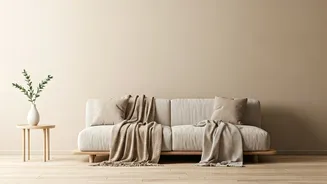
Remember when every hip coffee shop, startup office, and aspirational apartment looked the same? We were living through the peak of the minimalist wave, an aesthetic defined by Scandinavian simplicity and Japanese-inspired decluttering. It promised a serene,
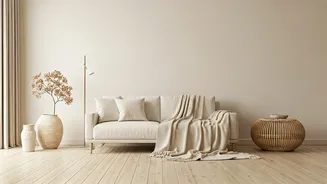
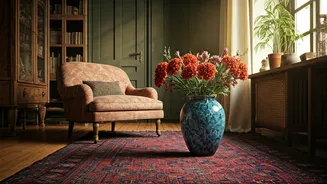
organized life, free from the chaos of 'stuff.' But for many, the reality felt less serene and more sterile. The endless scroll of beige, grey, and white interiors began to feel less like a peaceful retreat and more like a personality-free waiting room. In the U.S., this fatigue gave rise to trends like 'cluttercore' and maximalism—a playful, sometimes chaotic rebellion. In India, however, the response has been more nuanced. Instead of simply filling the space, designers and homeowners are thoughtfully curating it. They’re rejecting the one-size-fits-all formula of global minimalism and instead looking inward, asking a different question: How can a home feel not just clean, but also warm, rooted, and deeply personal?
So, What Does 'Calm' Look Like?
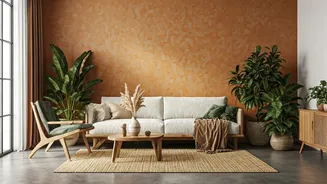
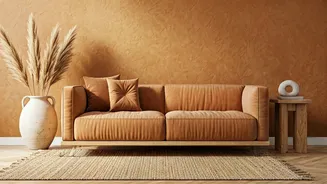
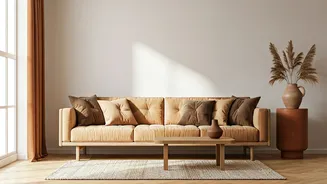
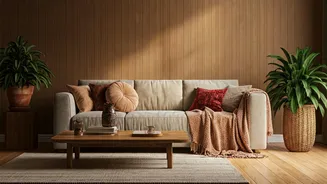
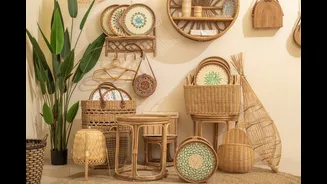
This new Indian aesthetic is not about emptiness; it's about intentionality. Think less about stark white and more about a warm, earthy palette. Walls might be a soft cream, a muted terracotta, or even a lime-washed plaster that adds subtle texture. The furniture champions natural, local materials. Instead of light pine or metal, you’ll see the deep, rich grains of reclaimed teak, sheesham (Indian rosewood), and bamboo. rattan and jute are everywhere—in chairs, lighting fixtures, and rugs—adding layers of organic texture. The 'calm' comes from this connection to the natural world. It’s also found in the interplay of light and shadow, often filtered through delicate, hand-woven curtains or traditional 'jaali' screens. Metals are present not as cold chrome, but as warm, glowing brass in lamps, pots, and decorative accents, echoing the materials found in Hindu temples and traditional homes for centuries.
A Return to Cultural Roots
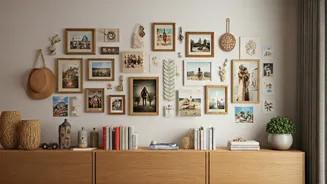
This shift is more than just a design trend; it’s a cultural one. For a generation of Indians, embracing this style is a way of reconnecting with their heritage in a modern context. It’s a quiet act of decolonizing their living spaces from decades of Western influence. Instead of a generic print from a big-box store, a wall might feature a piece of Pichwai painting, a traditional textile from Kutch, or a collection of hand-carved wooden blocks used for printing fabric. Heirlooms are being taken out of storage and given pride of place. An old brass water pot might become a vase, a grandmother's silk sari could be framed as art, and vintage furniture is lovingly restored. These homes tell a story—not just of the people who live there now, but of the generations that came before. Each object has a purpose and a past, creating a space that feels layered, meaningful, and uniquely Indian.
Comfort, Not Just Curation
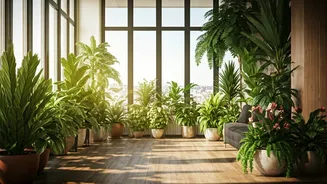
Ultimately, this is a design philosophy centered on human comfort and emotional well-being. Where cold minimalism can feel rigid and demanding (Did you remember to hide the coffee maker? Is that throw blanket folded at the correct angle?), the Indian 'calm' aesthetic is forgiving. It invites you to lounge on a plush sofa piled high with block-printed cushions, to leave a book open on a weathered wooden table, and to surround yourself with plants and objects that make you happy. It’s a style that embraces the 'lived-in' look, believing that a home should reflect the beautiful imperfections of life. It’s not about achieving a magazine-ready, untouchable space. It's about creating a sanctuary that nurtures the soul—a place that’s visually interesting, culturally resonant, and, above all, a comfortable and calming place to simply be.