




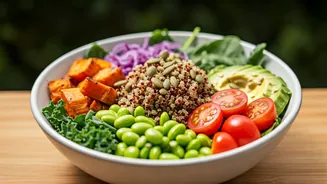




The Nutritional Glow-Up
The most immediate change is happening right in the recipe. Chefs and home cooks are re-engineering classics to deliver the same satisfying experience without the heaviness. Think of it as comfort food with a 'glow-up.' The goal isn’t to turn a casserole
into a salad, but to make smart, often imperceptible, swaps. Heavy cream in a creamy tomato soup might be replaced with puréed cannellini beans or a swirl of Greek yogurt for tang and protein. A traditional shepherd’s pie can get its rich texture from a savory mushroom and lentil base instead of ground meat, topped with a vibrant sweet potato mash. The real artistry is in subtraction and addition. By reducing excess saturated fats and refined sugars, there’s more room for flavor to shine through. This twist is about feeling good *after* you eat, not just during. It banishes the post-meal slump, replacing it with a sense of light-bodied satisfaction. It’s the mac and cheese that uses a creamy, decadent sauce made from puréed butternut squash or cauliflower, giving you a velvety texture and an extra serving of vegetables without you even noticing.
The Plant-Based Revolution
Once a niche category, plant-based eating has officially stormed the comfort food castle. This isn't about sad, watery substitutes; it’s a culinary movement driven by innovation. The new generation of plant-based comfort food is unapologetically rich, savory, and indulgent. Chefs are mastering the alchemy of turning cashews into creamy alfredo sauce, nutritional yeast into a cheesy flavor bomb for potatoes, and mushrooms into a 'meaty' bolognese that simmers for hours. Dishes like pulled pork sandwiches made from tender, slow-cooked jackfruit or 'chicken' pot pie with a savory filling of seitan and root vegetables are appearing on menus at diners and upscale restaurants alike. The appeal is broad, attracting not just lifelong vegans but also flexitarians and curious omnivores looking to eat more plants. It proves that the emotional core of comfort food—warmth, richness, and satisfaction—isn't tied to a specific ingredient list. It’s a feeling, and today’s chefs have found brilliant new ways to create it.
The Conscious Comfort
The 'feel-good' twist also extends beyond the plate to the story behind the food. A growing number of people find comfort not just in taste, but in ethics and sustainability. This is 'conscious comfort,' where a simple bowl of chicken noodle soup feels even better when you know the chicken was humanely raised and the vegetables came from a local farm. It’s the pleasure of eating a burger made from regenerative-farmed beef or a pie baked with seasonal fruit from the farmers market. This shift connects our appetite to our values. Knowing that your meal supported a local economy, minimized its environmental impact, or promoted better animal welfare adds a layer of psychological comfort. Restaurants are responding by highlighting their sourcing on menus, and grocery stores are expanding their selection of local and ethically produced goods. This trend suggests that true comfort is about feeling good in body, mind, and conscience. The food nourishes you, and your choice to eat it nourishes the community and the planet.
The Global Pantry
Finally, the American definition of comfort food is expanding its borders. While meatloaf and mashed potatoes will always have their place, our collective comfort food pantry now includes dishes from around the world. A steaming, fragrant bowl of Vietnamese pho, a spicy and hearty Indian dal, or a bubbling dish of Middle Eastern shakshuka can deliver that same soul-warming hug we once sought only from a casserole. This isn’t just about culinary tourism; it's about recognizing that the need for comforting food is a human universal, and every culture has its own time-tested solutions. Often, these global dishes come with their own built-in 'feel-good' credentials. Many are naturally plant-forward, rely on complex spices instead of fat for flavor, and feature nourishing broths and whole grains. Embracing these new classics allows us to find comfort in a wider, more diverse, and often healthier spectrum of flavors.