



The End of the 'Spice Apology'
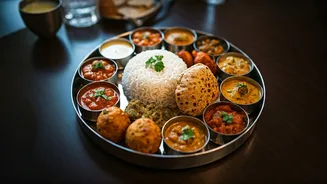
Remember the familiar question at your local Indian restaurant? "How spicy would you like that? Mild, medium, or hot?" For years, that question represented a culinary negotiation, an assumption that the American palate couldn't handle the complex, pungent,
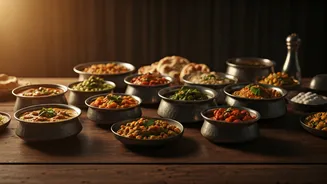
and fiery flavors of authentic South Asian cooking. This "spice apology" led to countless curries being sweetened, biryanis being muted, and the intricate dance of dozens of spices being simplified for mass appeal. It was a business decision, but it was also a form of cultural compromise, sanding down the vibrant edges of a diverse cuisine to make it fit a preconceived notion of what Americans would eat.
A New Guard with Culinary Confidence
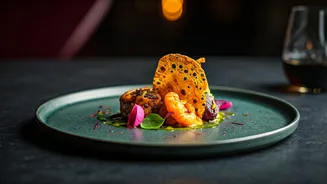
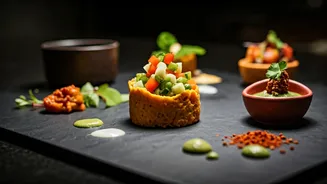
That era of compromise is rapidly coming to a close, thanks to a new guard of Desi chefs who are putting authenticity first. Restaurants like New York City's Dhamaka, with its self-described "unapologetic Indian" menu, have become national sensations. Co-founder Chintan Pandya has been vocal about his mission to present regional dishes that rarely, if ever, made it to American shores—think goat neck biryani and rabbit cooked in a yogurt-and-spice blend. This movement isn't limited to a single city. Across the country, from Houston to Los Angeles, chefs are digging deep into their heritage, serving the kind of food their grandmothers made, not the kind they think will be an easy sell. They are ambassadors of flavor, not just restaurateurs.
Why Now? An Evolving American Palate
So, what changed? The American diner did. Decades of globalization, increased travel, and the influence of food television and social media have created a more adventurous and educated eater. Shows hosted by figures like Anthony Bourdain taught viewers to seek out the real, the regional, and the unvarnished. Instagram and TikTok have made once-obscure dishes from around the world go viral overnight. Diners are no longer just seeking a meal; they're seeking an experience. There's a growing demand for food with a story, and these chefs are providing it. The fear of scaring away customers with a little asafoetida or a blast of black cardamom has been replaced by the confidence that an audience is ready and waiting for it.
More Than Heat: The Complexity of Flavor
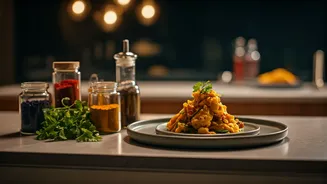
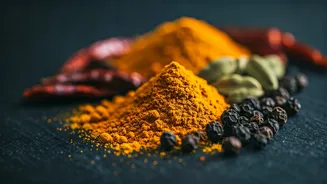
It's a common misconception that "uncompromising" simply means intensely spicy. While chili heat is part of the equation for many dishes, the real revolution is in the embrace of a full spectrum of flavors. This movement is about preserving the sour notes of amchur (dried mango powder), the funky depth of asafoetida, the smoky aroma of black cardamom, and the tangy brightness of tamarind. It’s about complex masalas that aren't dumbed down to just cumin and coriander. Chefs are reintroducing textures and techniques that were often left behind, like slow-cooking tough cuts of meat until they're meltingly tender or using traditional fermentation methods. This is about depth and dimension, not just a Scoville rating.
A Delicious Declaration of Identity
Ultimately, this culinary trend is about something much bigger than what's on the plate. For many second- and third-generation chefs, cooking with unapologetic flavor is a declaration of cultural identity and pride. It’s a rejection of the need to assimilate in order to succeed. By presenting the food of their heritage in its truest form, they are telling a powerful story about who they are and where they come from. They are educating diners, challenging stereotypes, and asserting that their culture’s cuisine is worthy of being celebrated on its own terms, without alteration or apology. The food becomes a delicious vehicle for a conversation about heritage and belonging in modern America.