







1. It's a Digital Goldmine
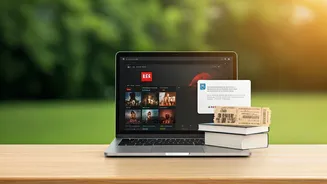
Let’s get the most common misconception out of the way: libraries are not just about physical books. Your library card is a key to a vast digital kingdom that rivals paid subscription services. Using apps like Libby or OverDrive, you can borrow thousands
of e-books and audiobooks for free, sending them directly to your Kindle, tablet, or phone. Many libraries have also partnered with streaming services like Kanopy or Hoopla, giving you access to a curated collection of critically acclaimed films, documentaries, and TV shows without touching your credit card. Before you pay for another audiobook credit or indie film rental, check if your library offers it for free. The answer will probably surprise you.
2. It's Your Wallet's Best Friend
The headline says “cheap,” but for most services, the price is even better: free. A library membership is one of the single best financial-health decisions you can make. The average cost of a new hardcover book is around $28. An audiobook subscription is $15 a month. A premium digital news subscription can be over $100 a year. Your library card gives you access to all of this—new releases, bestsellers, niche magazines, and major newspapers like The New York Times or The Wall Street Journal—for absolutely nothing. It’s not just about books; it’s about access to information and entertainment without the endless drip of subscription fees draining your bank account.
3. It's a Sanctuary of Calm
Our lives are loud, cluttered, and hyper-connected. We work from home, socialize in bustling restaurants, and doomscroll on our phones in between. The library offers a rare and precious commodity: quiet. It’s a dedicated “third place”—a spot that is neither work nor home—where you can exist without the expectation to buy something or perform. You can read for hours in a comfortable chair, work on your laptop without the pressure of ordering another coffee, or simply enjoy a moment of silent contemplation. In an economy that monetizes every second of our attention, the library’s calm is a radical act of civic grace.
4. It's a Real-Life Community Hub
While the digital world promises connection, libraries deliver it in person. They are one of the last truly intergenerational, cross-cultural spaces in American life. On any given day, you’ll find retirees reading newspapers, students doing homework, parents attending story time with toddlers, and job seekers using public computers. Libraries host free workshops on everything from coding and résumé writing to gardening and knitting. They offer author talks, book clubs, and local history presentations, fostering a sense of shared community that you can’t get from a social media feed. It's a place to learn a new skill and maybe even meet a neighbor.
5. It's Your Free Co-Working Space and Tech Support
Need a reliable place to work for a few hours with free, high-speed Wi-Fi? Forget the crowded coffee shop. Your library is essentially a free co-working space. Most offer ample seating, power outlets, and public-use computers for those who need them. For a small fee, you can often print, scan, or copy documents. And in an increasingly digital world, libraries provide a crucial bridge for those who aren’t tech-savvy. Librarians are expert information navigators, ready to help you find a reliable source, set up an email account, or figure out how to download that e-book. Some branches even have 3D printers, recording studios, or “maker spaces” with tools you can use for your own projects.