

The Ultimate One-Pot Wonder
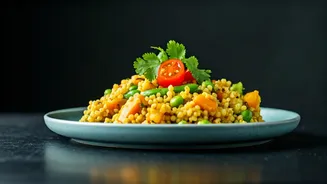
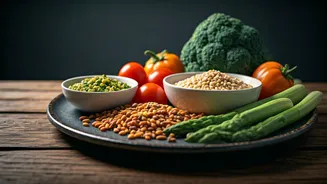
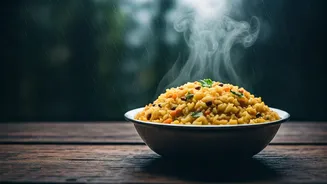
Before you try to define it by what it’s not—it’s not risotto, not a simple porridge, not just ‘rice and beans’—let’s talk about what khichdi is. At its core, khichdi is a humble, nourishing, one-pot dish made from rice and lentils (usually split mung
beans, or moong dal), simmered together until tender. It’s lightly spiced, typically with turmeric for its earthy flavor and vibrant color, and often features ginger, which adds a gentle, warming kick. It’s the kind of food that doesn’t shout for attention but rather murmurs assurances of warmth and well-being. Served hot, often crowned with a generous spoonful of melted ghee (clarified butter), it’s a complete meal that feels both elemental and profound.
Why the Monsoon Connection?
The link between khichdi and the monsoon is more than just a cozy tradition; it's rooted in centuries of observation and wellness wisdom. The dramatic shift in weather that accompanies the rainy season—from dry, searing heat to cool, damp air—is traditionally believed to impact the body’s digestive fire, or ‘agni,’ in Ayurvedic practice. The thinking goes that our digestion becomes more sluggish and vulnerable during this time. Enter khichdi. As a soft, warm, and easily digestible food, it provides complete nourishment without taxing the system. It’s the culinary equivalent of putting on a warm sweater on a cool, damp evening—a simple, intelligent response to what the body needs in a changing environment.
The ‘Safest’ Food You Can Eat
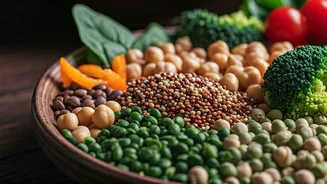
The headline’s claim of being the “safest” comfort food isn’t hyperbole; it’s a direct nod to its Ayurvedic credentials. Khichdi is considered a ‘tridoshic’ food, meaning it’s suitable for and helps balance all three of the primary mind-body constitutions in Ayurveda (Vata, Pitta, and Kapha). The combination of rice and lentils forms a complete protein, while spices like turmeric and ginger are celebrated for their anti-inflammatory and digestive properties. This makes it the go-to meal not just during the monsoon, but for anyone feeling under the weather, recovering from illness, or simply seeking a gentle ‘reset’ for their digestive system. In America, we have chicken noodle soup; in India, the first food a doctor might recommend is a simple, unadorned bowl of khichdi.
Beyond the Sick Day
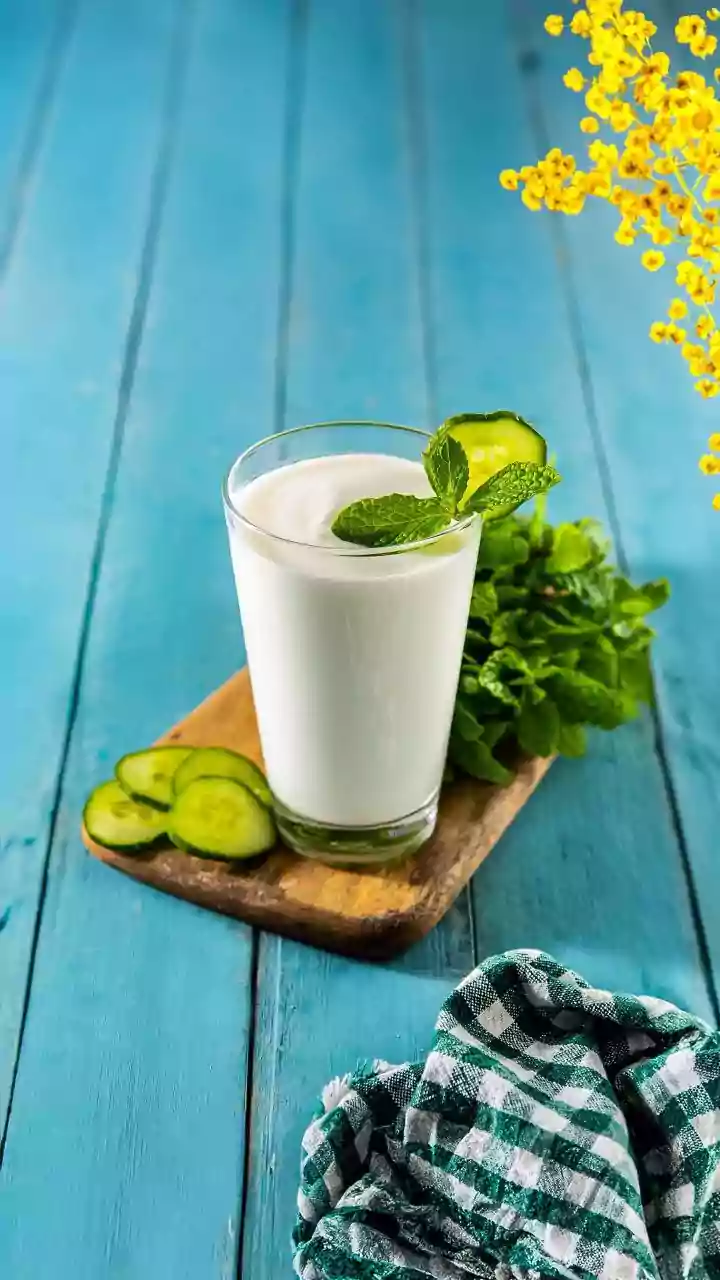
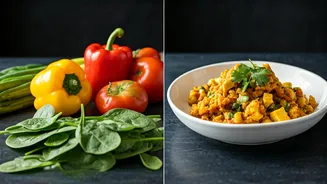
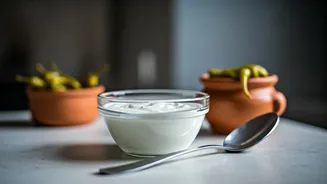
While it’s celebrated as restorative food, pigeonholing khichdi as merely for sick days would be a disservice. It’s a canvas. In households across India, it’s a beloved weeknight meal that can be adapted endlessly. Some versions are soupy, others are thick. Many families add seasonal vegetables like peas, carrots, and potatoes, transforming it into a hearty ‘masala khichdi.’ Different regions use different lentils or grains. It’s served with a variety of accompaniments—a dollop of plain yogurt to cool, a piece of sharp pickle (achar) for a spicy-sour kick, or a simple, crispy papadum for textural contrast. It’s a dish that embodies the culinary principle of making something extraordinary out of simple, everyday ingredients.
Finding Your Own Khichdi Comfort
You don’t need a monsoon to appreciate the deep comfort of khichdi. In a world increasingly drawn to gut-healthy foods, mindful eating, and the simple joy of a one-pot meal, khichdi feels more relevant than ever. It aligns perfectly with the modern desire for food that is both delicious and genuinely good for you. Making it at home is surprisingly straightforward, requiring little more than a single pot and a handful of common pantry staples. It’s an invitation to slow down and savor something that is purely and simply nourishing. Whether it’s a rainy Tuesday or a stressful Friday, it delivers a sense of grounding that few other foods can match.