





The Rise of 'Travel Admin' Fatigue
Not long ago, the biggest hurdle to international travel was the flight cost. Today, for many, it’s the paperwork. The pandemic era introduced a labyrinth of testing requirements, vaccination proof, and passenger locator forms that left even seasoned
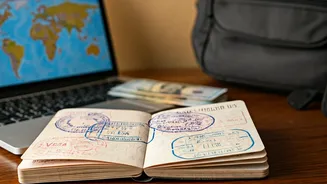
travelers weary. While many of those rules have faded, they’ve been replaced by a new set of bureaucratic obstacles: long visa appointment wait times, complex online applications, and uncertainty around processing timelines. This has created a widespread case of 'travel admin fatigue,' where the excitement of planning a trip is soured by the dread of navigating red tape. Spontaneous travel, by its very nature, can't survive a six-month visa application process. As a result, travelers are consciously choosing the path of least resistance.
Certainty Is the New Luxury
In a world of travel variables, certainty has become a priceless commodity. Booking a non-refundable flight to a country that requires a visa feels like a gamble. Will the visa be approved in time? Will a small error on the form lead to a denial? This anxiety is a powerful deterrent. In contrast, booking a trip to a visa-free destination offers instant peace of mind. The moment you buy the ticket, the trip is real. This psychological comfort is profound. Travelers are realizing that the freedom from worrying about administrative rejection is, in itself, a form of luxury. It allows the focus to return to what travel should be about: anticipation and adventure, not anxiety and paperwork.
Rediscovering Your Passport's Power
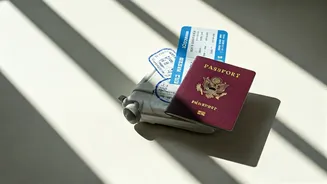
The U.S. passport is one of the most powerful in the world, granting visa-free or visa-on-arrival access to over 180 countries. For years, many Americans took this for granted. But the recent contrast between 'easy' and 'hard' destinations has thrown this privilege into sharp relief. Travelers are now using their passport power more strategically. Instead of fixating on a single, difficult-to-enter country, they are exploring the vast menu of incredible destinations that welcome them with open arms. The question is shifting from, 'How can I get into this one specific place?' to 'Where can I go tomorrow?' This mindset unlocks a more fluid, flexible, and ultimately more liberating approach to seeing the world.
The New Map of Spontaneity
So, where are these easy-entry hotspots? The map is broader than you might think. For a classic sun-and-sand escape, Mexico and most of the Caribbean remain turnkey—just book a flight and go. For a European fix without navigating the complexities of the Schengen Area visa system (which, while visa-free for Americans, is introducing a new pre-authorization system called ETIAS), destinations like the United Kingdom and Ireland offer seamless entry. Further afield, countries in Asia have been actively courting tourists by simplifying their processes. Japan, South Korea, Malaysia, and Thailand have all made it incredibly easy for American tourists to visit for short stays, opening up a world of rich culture and cuisine for spontaneous trips that would have seemed impossible to plan just a few years ago.
Is This the End of the Bucket List?
This trend doesn't mean the death of the ambitious, once-in-a-lifetime 'bucket list' trip. It's more of a recalibration. The dream trip to a destination requiring a complex visa isn't disappearing; it’s just being properly categorized as a long-term planning goal. In its place, a new category of travel is booming: the low-friction, high-reward getaway. Travelers are supplementing their big, planned-out vacations with more frequent, spontaneous trips to easy-access locales. This creates a more balanced travel diet, mixing the epic journeys that require patience and preparation with the joyful, impulsive escapes that restore our sense of freedom and adventure on a moment's notice.