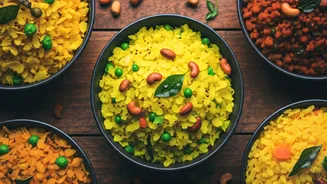

First, What Is Poha?
Let’s get the basics out of the way so we can get to the good stuff. Poha refers to both the ingredient and the dish. The ingredient is rice that’s been parboiled, rolled flat into light, dry flakes, and then dried. Think of them as the super-fast-cooking
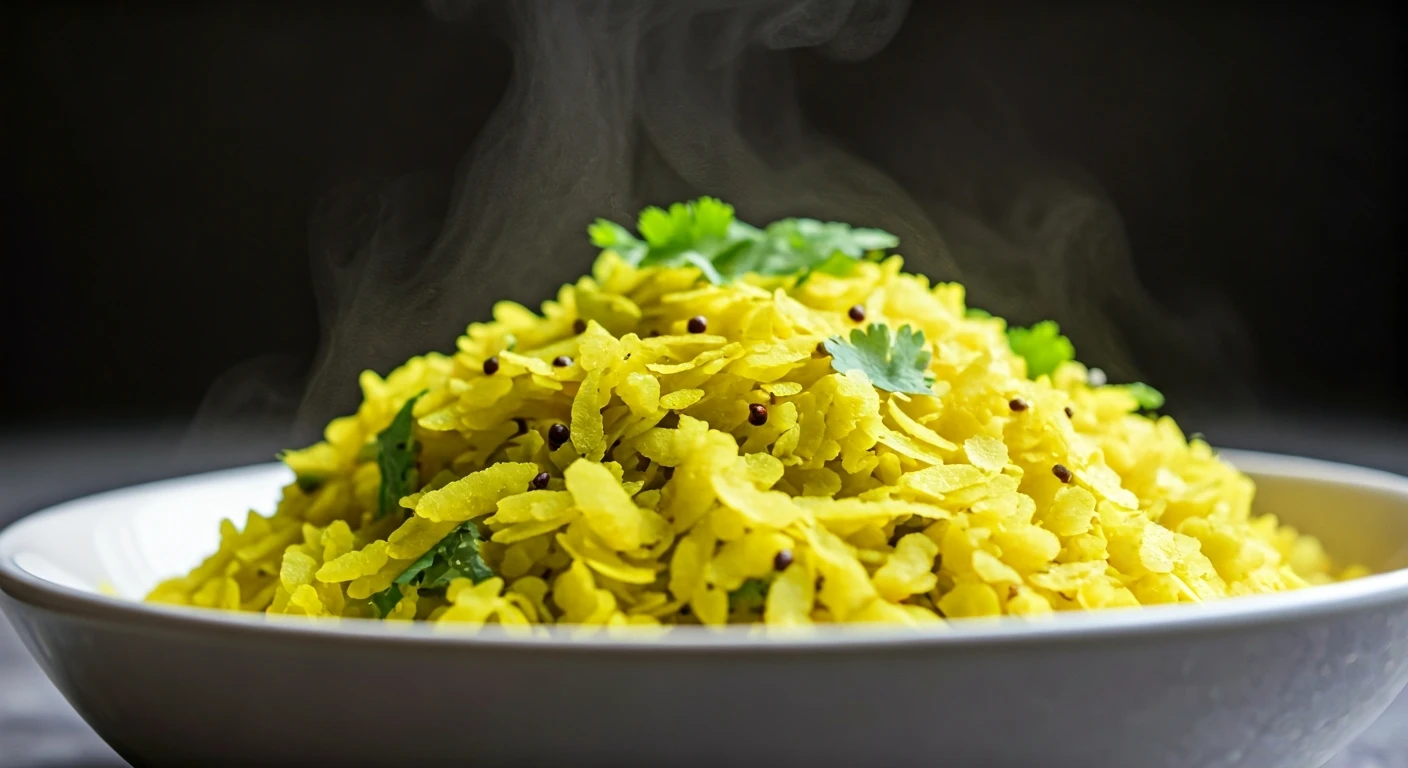
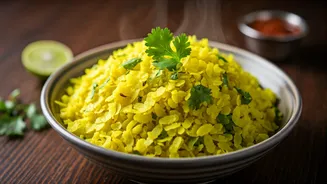
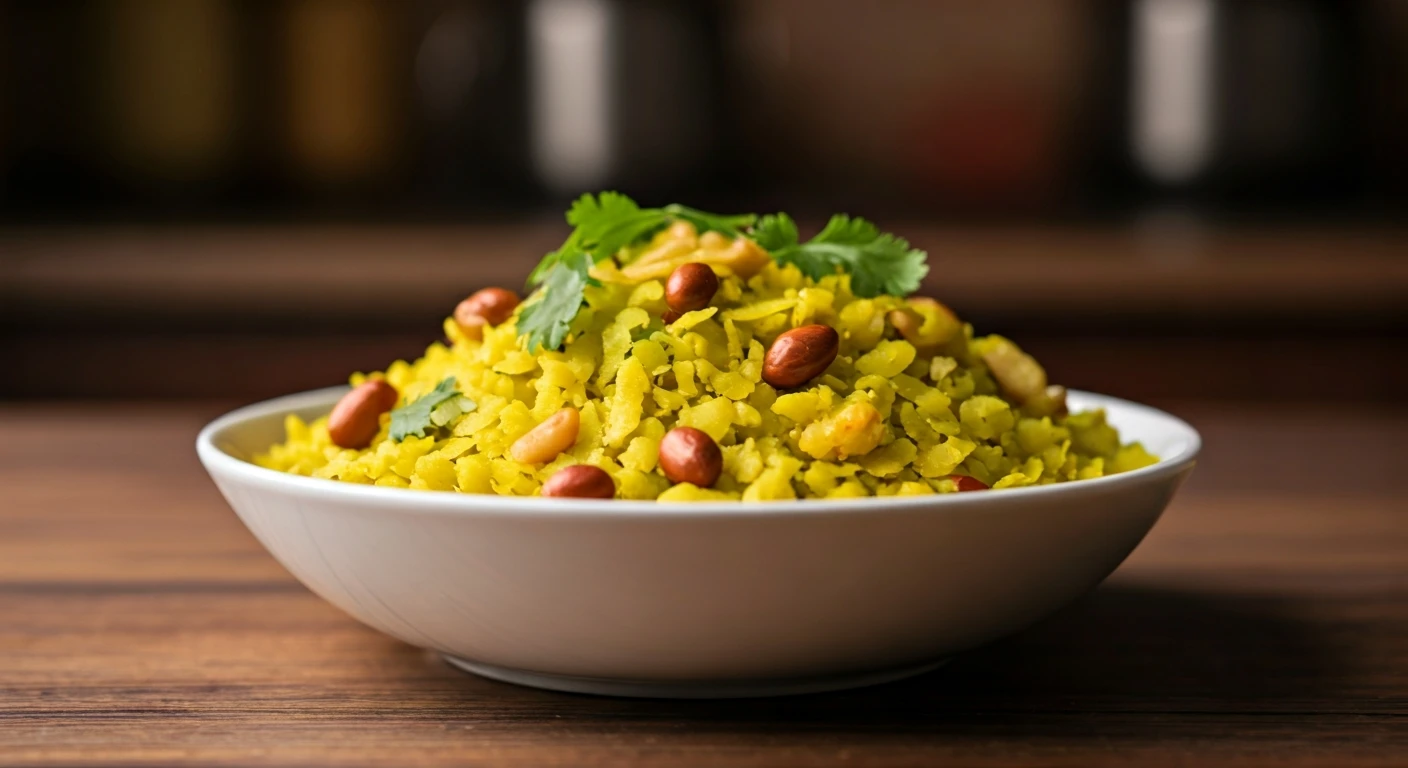
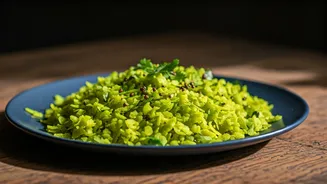
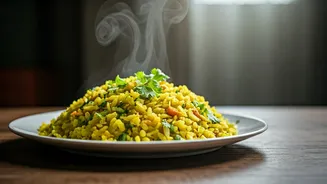
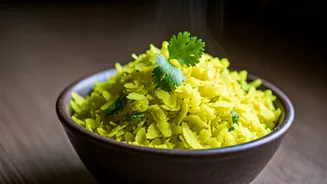
cousin of rolled oats. To make the dish, these flakes are quickly rinsed, which rehydrates them into soft, fluffy morsels. From there, the magic begins. In its most common form, the rehydrated poha is tossed in a pan with sizzling mustard seeds, turmeric, onions, and curry leaves, creating a vibrant yellow, savory, and unbelievably light meal. It comes together in minutes, making it a go-to breakfast for millions.
Receipt #1: A Cross-Country Star
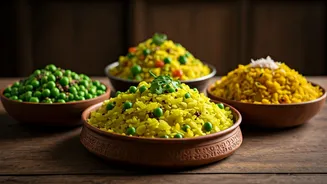
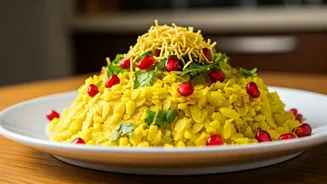
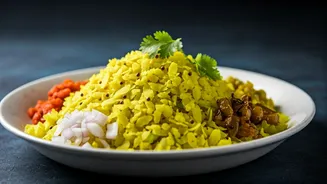
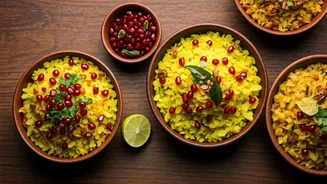
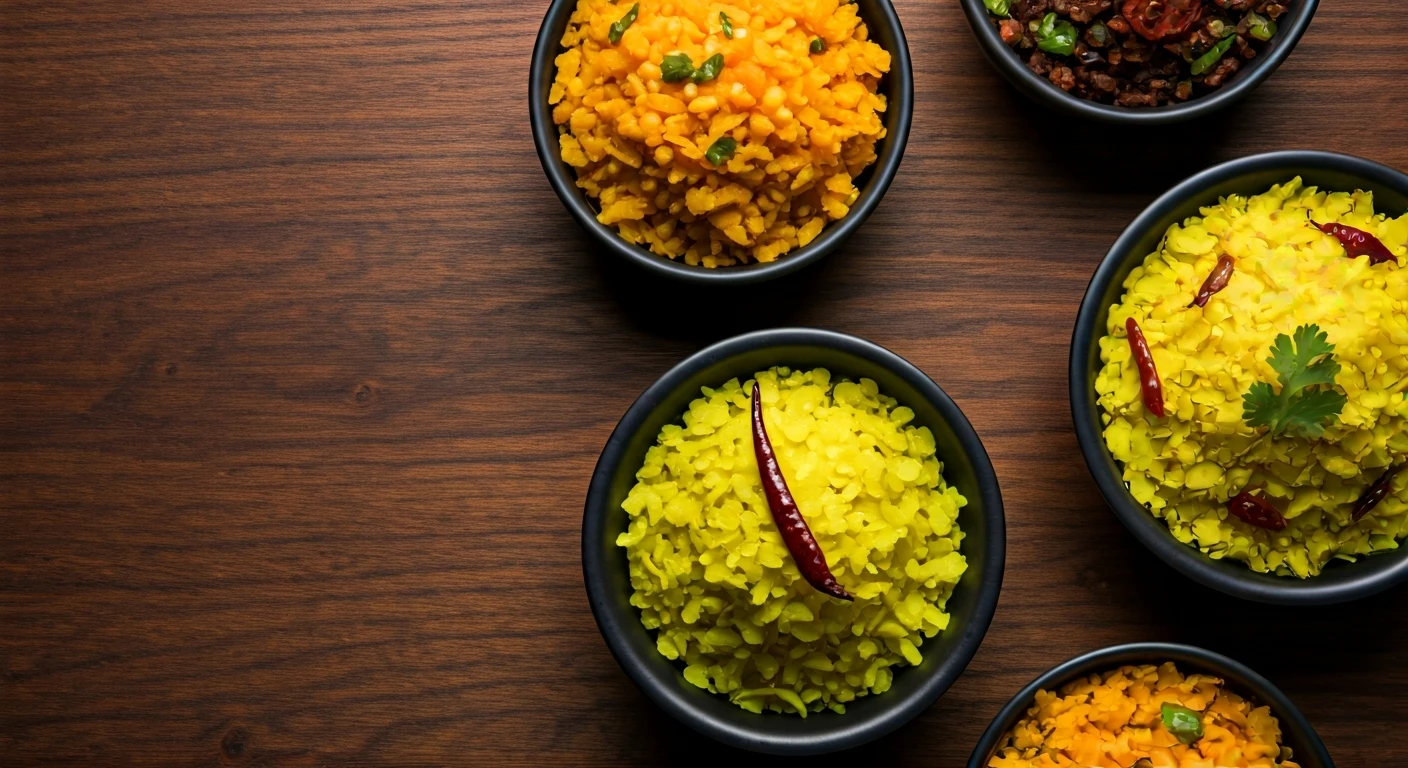
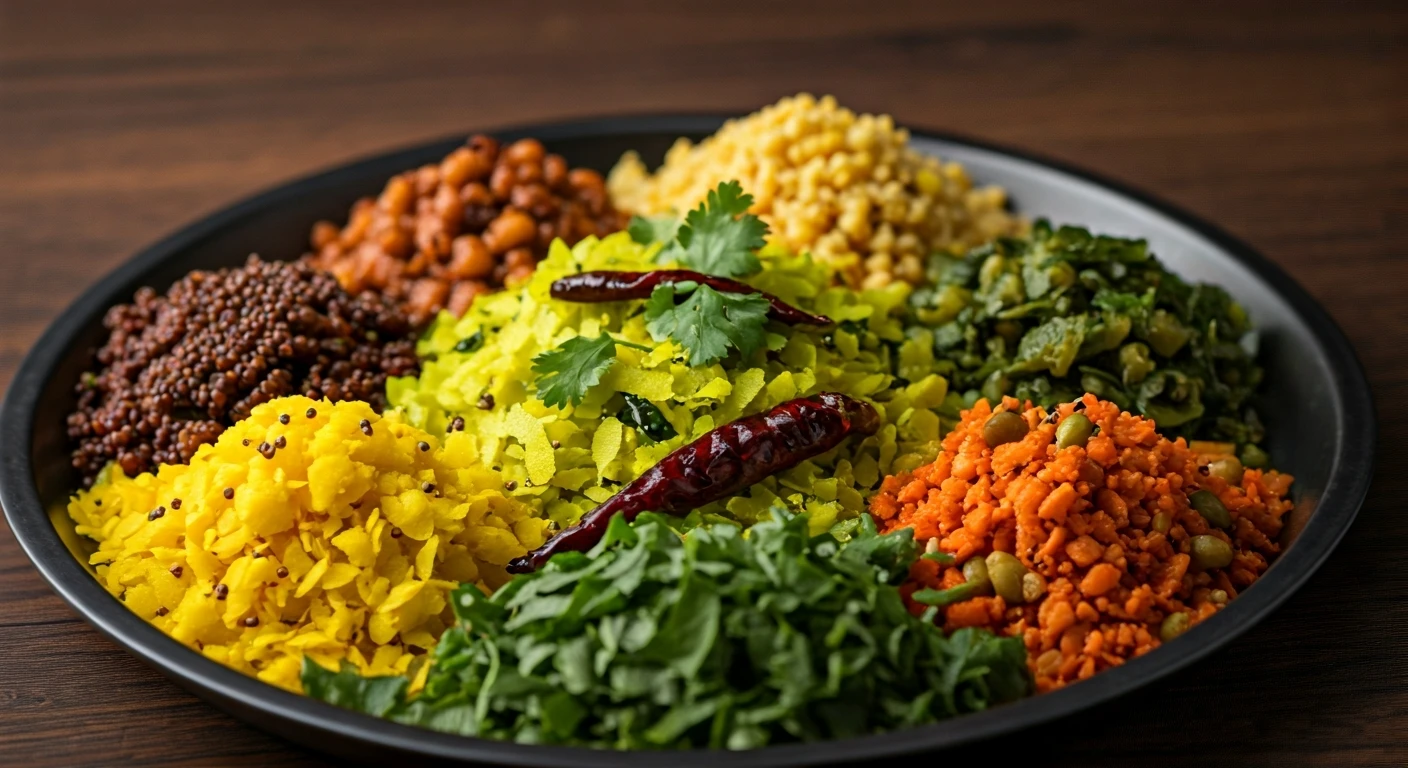
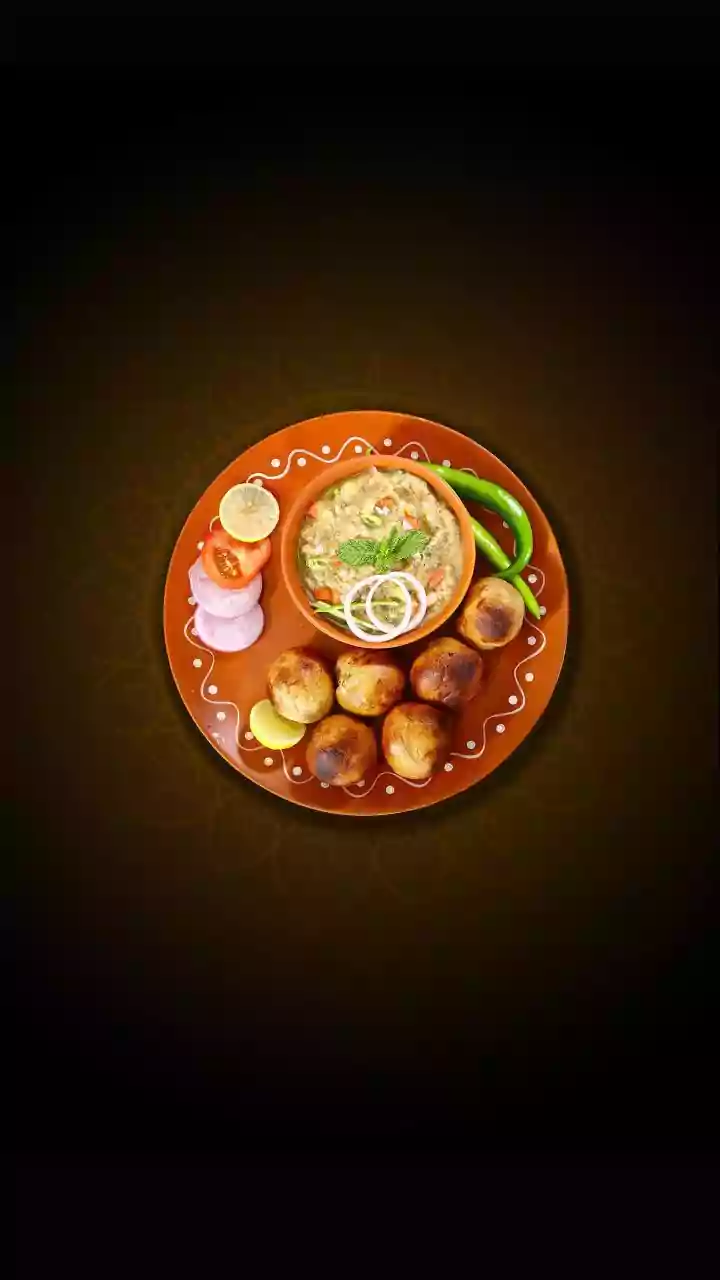
If poha were a musician, it wouldn’t be a niche indie darling; it would be a genre-bending superstar with number-one hits in multiple territories. In Maharashtra, the western state that includes Mumbai, *Kanda Poha* (onion poha) is king. It’s a savory, no-fuss dish garnished with fresh cilantro, grated coconut, and a squeeze of lime. But travel to the central Indian city of Indore, and you’ll find a completely different experience. *Indori Poha* is steamed, not sautéed, and it’s a sweet, tangy, and savory flavor bomb. It’s topped with a special spice blend called *jeeravan masala* and garnished with crunchy sev (fried chickpea flour noodles) and pomegranate seeds. In other regions, you’ll find it made with potatoes (*Batata Poha*), coconut milk, or even as a sweet snack with jaggery and nuts. This isn't a monolithic dish; it's a versatile canvas reflecting the tastes of every region it touches.
Receipt #2: The Historical Footprint
Flattened rice isn't a modern convenience food. Its history in the Indian subcontinent stretches back centuries, possibly even millennia. Because it's lightweight, portable, and requires minimal cooking, it was the perfect food for travelers, pilgrims, and farmers. Its quick-cooking nature made it an ideal, fuel-efficient meal. There are even mentions in Hindu mythology, where Sudama, the humble friend of the god Krishna, offers a simple gift of flattened rice as a gesture of love and devotion. This isn’t just breakfast; it's a food tied to ancient traditions of hospitality, humility, and sustenance. The simplicity isn't a flaw; it's the entire point—a food for the people, by the people.
Receipt #3: The Unsung Nutritional Hero
In an era of complex superfood bowls and expensive protein shakes, poha holds its own with quiet confidence. It's a solid source of healthy carbohydrates, providing sustained energy without the heavy, sluggish feeling of other breakfast options. Because the rice is processed with iron rollers, it’s often rich in iron. It's naturally gluten-free and incredibly easy to digest, which is why it's often the first solid food given to someone recovering from an illness. The basic recipe is also a brilliant vehicle for adding vegetables, peanuts, and other nutritious ingredients. It’s a masterclass in affordable, accessible nutrition that has nourished a subcontinent for generations.