






The Passport Power-Up
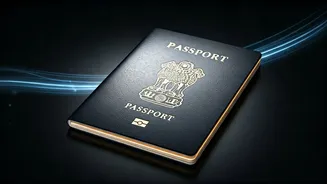
At the heart of this new freedom is a simple but powerful document: the Indian passport. For years, international travel for many Indians was a logistical marathon of visa applications, interviews, and uncertainty. Today, that picture is rapidly changing.
While it's not yet in the same league as a Japanese or Singaporean passport, India's passport has been steadily gaining strength. According to the Henley Passport Index, which ranks global travel documents based on the number of destinations their holders can access without a prior visa, India has climbed the ranks. As of early 2024, Indian citizens can travel to over 60 countries visa-free or with a visa-on-arrival. This might not sound revolutionary to an American or European, but for a nation of 1.4 billion, it represents a significant psychological and practical shift. The list of accessible countries now includes desirable tourist spots in Asia, Africa, and the Caribbean, turning last-minute travel dreams into a feasible reality for millions.
The Geopolitics of a Welcome Mat
This isn't happening in a vacuum. The increasing power of the Indian passport is a direct result of two converging forces: India's growing diplomatic clout and the world's ravenous appetite for tourists. Countries are rolling out the welcome mat for Indian travelers for a very simple reason: economics. Nations like Thailand, Sri Lanka, Malaysia, and Kenya have recently announced visa-waiver programs specifically for Indian citizens. They're making a strategic bet. Post-pandemic, these tourism-dependent economies are looking to diversify their visitor sources away from a reliance on China and Russia. India, with its enormous, upwardly mobile population, is the perfect candidate. Indian tourists are known for spending, not just on hotels and flights, but on shopping, dining, and experiences. By removing the visa barrier—a key friction point—these countries are effectively opening a direct channel to one of the world's fastest-growing consumer markets. It’s a powerful act of economic diplomacy that benefits both sides.
Fueled by a New Generation
The other side of the equation is the traveler. This boom is being fueled by a generation of young, digitally-savvy, and increasingly wealthy Indians. The country’s burgeoning middle and upper-middle classes have more disposable income than ever before, and they are choosing to spend it on experiences rather than just goods. For them, travel is not a once-in-a-lifetime pilgrimage but a regular part of their lifestyle. Social media platforms like Instagram and YouTube are filled with Indian travel influencers showcasing everything from backpacking through Vietnam to luxury stays in the Maldives, creating a powerful aspirational feedback loop. This has also shattered the old stereotype of the Indian tourist traveling only in large family groups. Today, you are just as likely to meet solo female travelers from Mumbai, a group of friends from Bengaluru on a trekking adventure, or a digital nomad from Delhi working from a cafe in Bali.
Redefining the Global Traveler
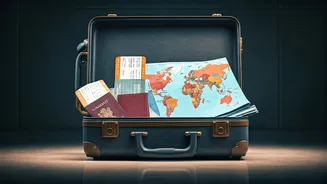
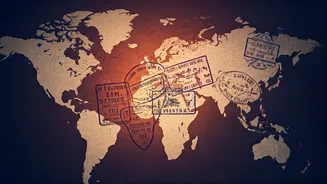
The collective impact of this trend is a rebalancing of the global tourism landscape. For decades, the industry has been shaped by the tastes and habits of travelers from North America, Europe, and, more recently, China. The rise of the Indian traveler brings a new set of preferences and demands. They are seeking diverse experiences, from spiritual journeys and wellness retreats to adventure sports and culinary tours. They are also powerful trendsetters. Destinations that become popular with Indian tourists often see a ripple effect, influencing travel patterns across the South Asian diaspora and beyond. This isn't a temporary blip or a case of post-pandemic 'revenge travel'—though that certainly helped kickstart it. It’s a fundamental and permanent shift. The 'mobility flex' of the Indian traveler is redrawing the map, one visa-free entry stamp at a time.