





An Escape from the Daily Grind
For many couples, quality time has been compressed into finding a show to watch after a long day or navigating crowded weekend brunch spots. The idea of a shared adventure can feel daunting, expensive, or exhausting. That’s the unique appeal of trout
fishing. It’s an activity that demands your presence but doesn’t drain your energy. It’s not about conquering a mountain or running a marathon; it’s about stepping outside the familiar rhythm of daily life and into the gentle, persistent rhythm of a river. On the water, the usual distractions fade away. Cell service is often spotty, and there are no emails to answer. The only agenda is to read the water, watch the line, and enjoy the quiet hum of the natural world. This shared escape creates a bubble where conversation can flow more easily, or where comfortable silence can be just as meaningful. It’s a low-pressure environment to simply be together, away from the to-do lists and responsibilities waiting at home.
The Rhythm of Patience and Teamwork
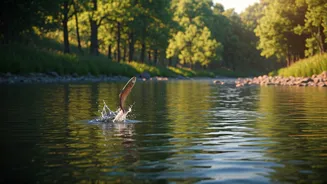
Fly fishing, in particular, is a craft of patience. It’s about observation and repetition. The meditative act of casting—the back-and-forth flick of the wrist, the graceful loop of the line—is a skill learned over time. And learning it together creates a unique dynamic. There’s no room for ego on the river. One person may have a knack for the perfect cast, while the other has a keen eye for spotting the subtle rise of a fish breaking the surface. You become a team. You help each other untangle lines, choose the right fly, and celebrate the small victories, whether it’s a perfectly placed cast or the thrill of a bite. Unlike competitive sports, the goal isn't to beat each other but to work with the environment. When one person hooks a fish, the other is there with the net, sharing in the excitement. This dynamic fosters communication and mutual support, reinforcing the partnership in a tangible, memorable way.
The Scenery is Half the Adventure
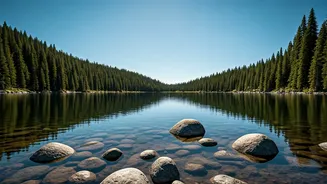
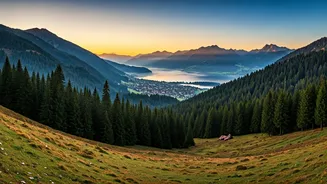
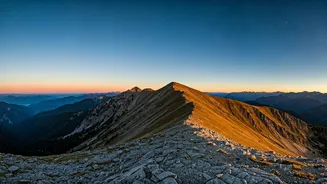
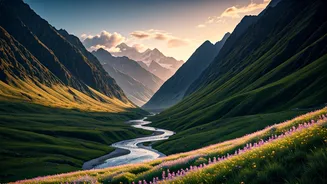
Let’s be honest: some of the best fishing days involve catching no fish at all. That’s because the activity is just an excuse to be in some of the most beautiful, serene places America has to offer. Trout thrive in cold, clean water, which means trout fishing will lead you to stunning landscapes—the misty valleys of the Appalachian Mountains, the vast, open skies of Montana, the crystal-clear streams of the Pacific Northwest, or the quiet ponds of New England. The “adventure” isn’t about adrenaline; it’s about discovery. It’s the bald eagle you spot soaring overhead, the deer that comes down to the riverbank for a drink, or the breathtaking color of a sunset reflecting on the water. These are shared moments of awe that become part of your collective story, far more lasting than the fish you might have caught.
How to Dip Your Toes In
The idea of fly fishing can seem intimidating, with its specialized gear and jargon. But getting started is easier and more accessible than most people think. You don’t need to invest in thousands of dollars of equipment right away. The single best way to begin is by hiring a guide for a half-day or full-day trip. A good guide will provide all the necessary gear—rods, reels, waders, and flies—and, most importantly, patient instruction. They’ll take you to a productive spot and teach you the fundamentals in a hands-on, supportive environment. This takes the pressure off. You can focus on the experience and on each other, deciding if it’s a hobby you want to pursue further without any major upfront commitment. A guided trip turns a potentially frustrating learning curve into a fun, educational, and shared experience.