




From Grind to 'Bleisure'
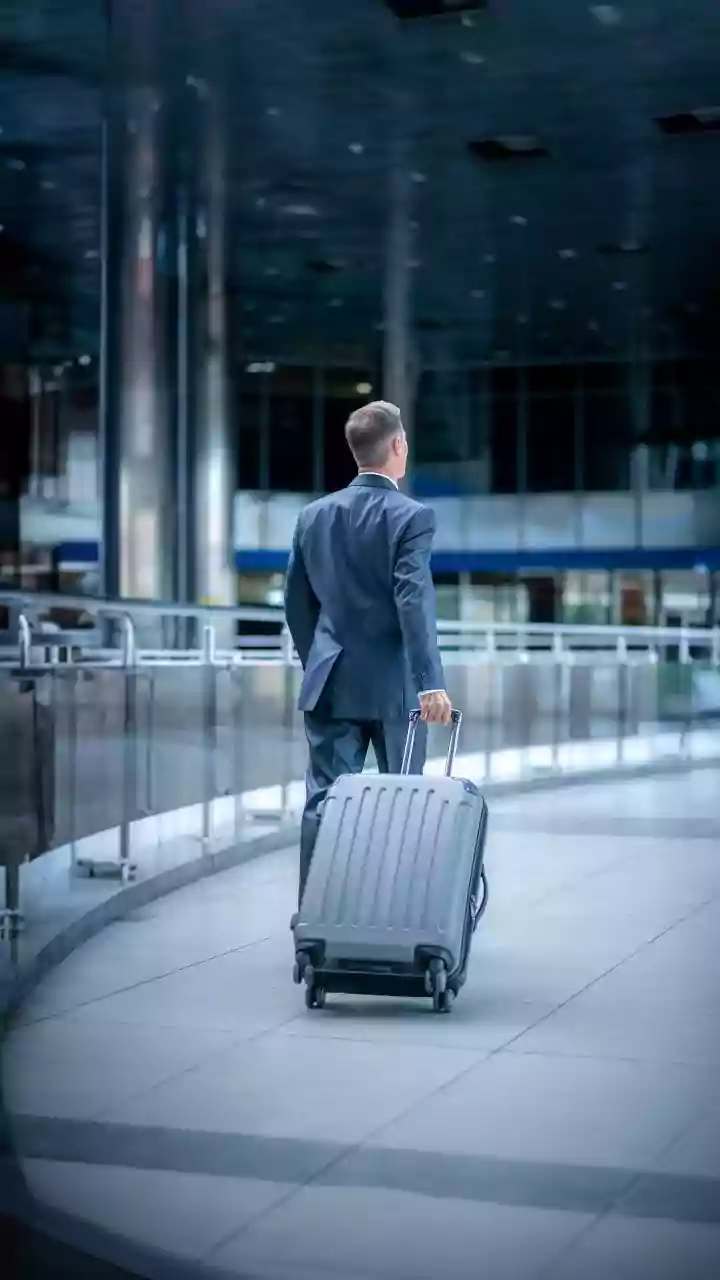
For decades, the business trip was a badge of honor measured in exhaustion. It was a whirlwind of airports, conference rooms, and client dinners, all compressed into the shortest possible time to minimize costs. The employee’s well-being was an afterthought,
secondary to the mission's objectives. But a fundamental shift is underway, driven by a post-pandemic reassessment of work, health, and what it takes to keep employees productive and loyal. Enter the era of “bleisure” or “blended travel.” It’s more than just an employee tacking a personal vacation onto a work trip. Companies are now proactively building wellness and leisure components into the fabric of corporate travel. This isn't just about offering a travel stipend and looking the other way; it’s a strategic integration of policies and tools designed to make business travel less of a drain and more of a sustainable, and even enriching, experience.
Why Companies Are Picking Up the Tab
This isn't just corporate altruism. The move toward wellness-focused travel is a calculated business decision with a clear return on investment. The primary driver is the fierce competition for talent. In a world where skilled professionals have more options than ever, a company’s travel policy has become a powerful tool for recruitment and retention. A policy that acknowledges and prevents burnout sends a strong message that the company values its people as human beings, not just assets. Furthermore, executives are realizing that a perpetually exhausted employee is not a top performer. An employee who arrives a day early to acclimate to a new time zone, gets a full night's sleep, and has time for a morning workout is far more likely to be sharp, engaged, and effective in their meetings. The minor cost of an extra hotel night or a flexible flight pales in comparison to the value of a successful negotiation or a strengthened client relationship. It also mitigates the long-term costs associated with employee turnover and healthcare claims linked to stress and burnout.
What This Looks Like in Practice
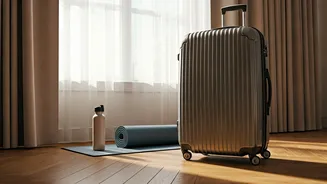
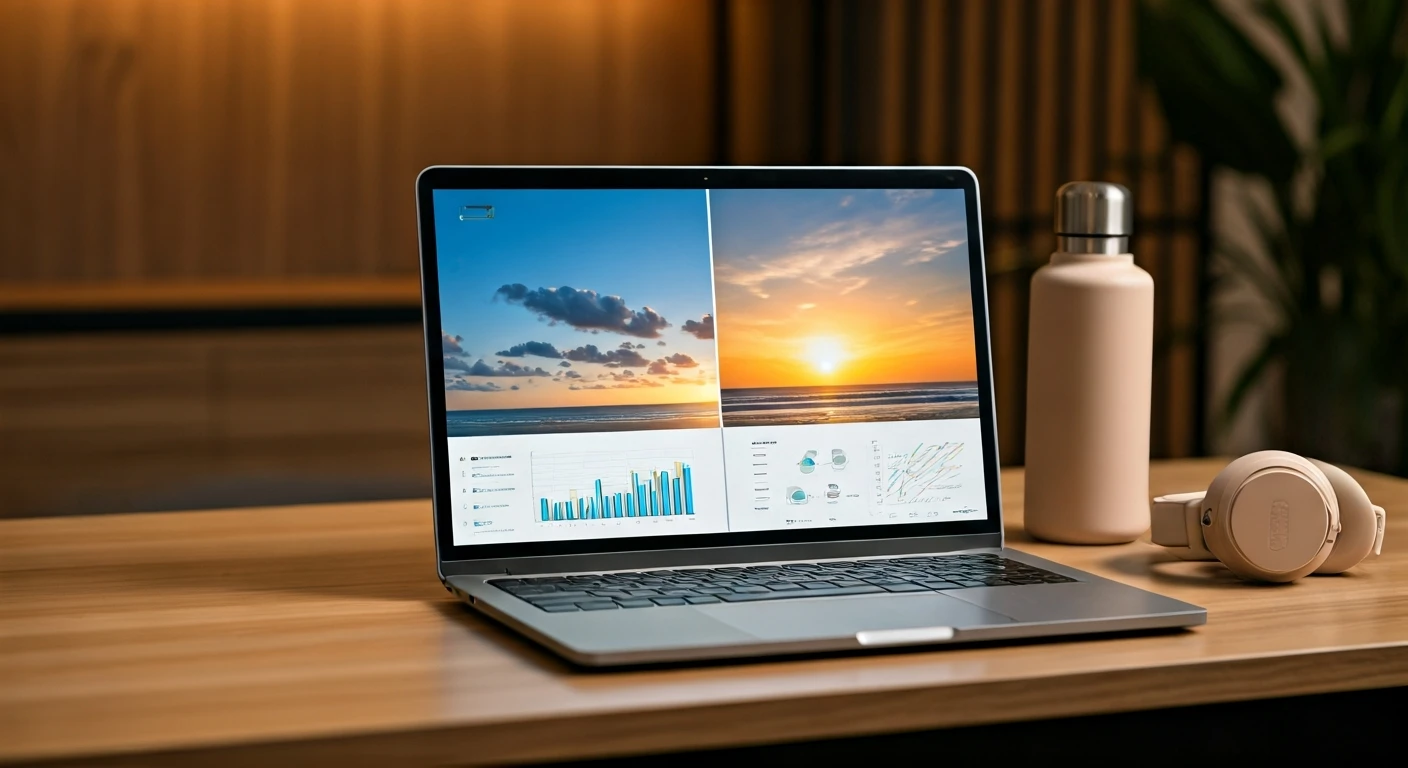
This new approach manifests in several practical ways. Many corporate travel platforms now have built-in flexibility, allowing employees to easily add personal days to their itineraries. Some companies are offering stipends specifically for wellness activities, such as a gym pass, a yoga class, or even a massage. Hotel chains have responded in kind, with brands like Westin and Hyatt heavily marketing their wellness amenities, from in-room fitness gear to healthy menu options and guided meditation apps. Company policies are also evolving. Rigid schedules are being replaced with guidelines that encourage employees to avoid red-eye flights or to book travel that allows for a less frantic pace. Some organizations are even experimenting with “work from anywhere” weeks following a business trip, allowing an employee to work remotely from their travel destination. The goal is to transform the trip from a grueling obligation into an integrated part of a flexible and fulfilling work life.
The Traveler's New Responsibility
While companies are providing the framework, the onus is still on the traveler to take advantage of these new perks responsibly. It requires a mindset shift from simply surviving the trip to actively planning for well-being. This might mean scheduling shorter meeting blocks to leave time for a walk, choosing a hotel based on its fitness center rather than its proximity to the airport, or being disciplined enough to shut the laptop at a reasonable hour. The most successful blended travelers are those who communicate clearly with their managers about their plans and demonstrate that integrating personal time actually enhances their professional performance. By returning from a trip energized instead of depleted, they make the strongest possible case for why this new model of business travel is not just a perk, but a strategic necessity.