



More Than Just a Market
Walk through a bustling weekend fair in Brooklyn, Austin, or the Bay Area, and you’ll notice a distinct shift. Amid the handcrafted ceramics and letterpress cards, a new magnetism is pulling crowds toward stalls shimmering with unusual textiles. Shoppers
are leaning in, not just to look, but to listen. They’re asking about origins, techniques, and the people behind the pieces. The sellers aren’t just retailers; they are storytellers, connecting a shopper in the U.S. to an artisan weaver in a remote village in India or Bangladesh. This is the new frontier of ethical consumerism, where the transaction is as much about connection and cultural appreciation as it is about acquiring a beautiful object. The buzz is palpable, driven by a desire for authenticity in a world of mass production.
The Rhythm of the Rain
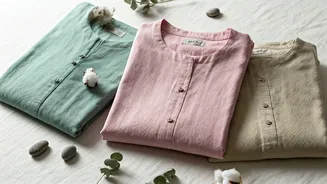
So, what exactly are “monsoon weaves”? The term refers to textiles hand-loomed by artisans, often from Indigenous communities in South and Southeast Asia, during the rainy season. For these agricultural communities, the monsoon brings a necessary pause from farming. This downtime becomes a period of intense creativity, where generations of skill are channeled into spinning, dyeing, and weaving. The fabrics—often breathable cottons, airy silks, and rich khadi—are literally born from the region's climate and seasonal rhythms. Each piece carries the imprint of its environment, from the natural dyes sourced from local plants to the unhurried pace of a craft practiced when the fields are fallow. This isn’t fabric made on a deadline; it’s fabric made in harmony with a season.
A Story in Every Thread
For the ethical shopper, the appeal is multilayered. First, there’s the direct rejection of the fast-fashion industry’s notorious environmental and human costs. Buying a hand-loomed textile often means supporting a system that is inherently more sustainable. The looms are typically human-powered, the production runs are small, and the materials are often organic. More importantly, it provides a vital, dignified livelihood for artisan communities, helping to preserve ancient cultural traditions that are at risk of disappearing. When you buy a scarf or a textile for your home, you're investing in the continuation of a craft. You know where your money is going: not to a faceless corporation, but to a specific person, family, or cooperative, enabling them to maintain their heritage and economic independence.
The Allure of the 'Imperfectly Perfect'
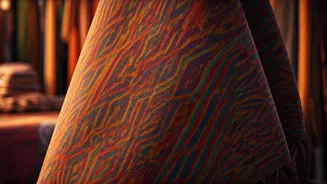
Part of the magic lies in the texture. Unlike the uniform, sterile perfection of machine-made fabric, hand-loomed textiles are full of life. They possess a unique character—a slight variation in the weave, a tiny, stray thread known as a “slub,” or a subtle shift in color from a natural dye. These are not flaws; they are signatures of the human hand. Design-savvy consumers have come to recognize these markers as signs of true luxury. The fabric feels different, it drapes differently, and it tells a story of its own making. In a world saturated with digital gloss and flawless filters, this tangible, tactile authenticity is what people are craving. It’s a piece of art you can wear or drape over your sofa, a daily reminder of a world of craft that still exists and thrives.