


Chaas: The Original Probiotic Cooler
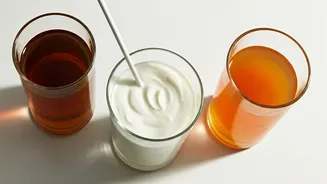
When Americans think of lassi, they often picture the thick, sweet, mango-flavored smoothie served in Indian restaurants. But its lighter, more traditional cousin, Chaas (or spiced buttermilk), is the real everyday hero of digestive health. Made by watering
down yogurt and churning it to remove the butterfat, Chaas is a thin, savory, and incredibly refreshing drink. The magic lies in its simplicity and its ingredients. The yogurt base provides a natural source of probiotics, the beneficial bacteria that are crucial for a healthy gut microbiome. But it doesn't stop there. Chaas is typically seasoned with ingredients that are themselves digestive powerhouses: roasted cumin powder, which is known to stimulate digestive enzymes; fresh ginger to soothe the stomach; and a pinch of black salt (kala namak), which, despite its pungent smell, is prized in Ayurvedic tradition for relieving gas and bloating. Served chilled, it's the perfect antidote to a heavy meal or a hot day, working to cool the body from the inside out while actively supporting digestion.
Kanji: The Fermented Powerhouse
If kombucha had a cool, earthy, and slightly spicy older relative, it would be Kanji. This traditional North Indian fermented beverage is a masterclass in turning humble vegetables into a probiotic powerhouse. Typically made during the winter and early spring when dark purple 'black' carrots are in season, the recipe is brilliantly simple. Carrots (and sometimes beetroot, for extra color and earthy sweetness) are submerged in water with salt and ground mustard seeds. This mixture is then left to ferment in the sun for several days. During this time, naturally occurring lactobacilli bacteria get to work, converting sugars into lactic acid. This process not only preserves the drink but also creates a treasure trove of probiotics. The resulting beverage is tangy, savory, and pungent with a unique kick from the mustard. It's an acquired taste for some, but its benefits are undeniable. For centuries, it has been a go-to home remedy for sluggish digestion and a way to prime the gut for the changing seasons.
Shikanji: The Ultimate Digestive Lemonade
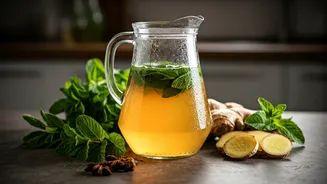
At first glance, Shikanji might look like simple lemonade. But to call it that would be to miss the point entirely. This ubiquitous Indian street-side cooler is a carefully crafted elixir designed to hydrate, refresh, and revive the digestive system. The base is, of course, fresh lime or lemon juice, water, and a sweetener like sugar or honey. But the genius is in the spice blend. A classic Shikanji is never without a pinch of roasted cumin and, most importantly, black salt. As with Chaas, these spices transform a simple drink into a functional one. The cumin aids digestion, while the black salt provides trace minerals that help replenish electrolytes lost through sweat on a scorching day. Some variations also include a bit of ginger for its anti-nausea properties or black pepper to improve nutrient absorption. It’s a perfect example of how traditional Indian cuisine seamlessly integrates flavor with function, creating a drink that’s not just delicious but genuinely makes you feel better.
Haldi Doodh: The Anti-Inflammatory Icon
While not a fermented drink, no conversation about Indian wellness beverages is complete without Haldi Doodh, known in the West as the “golden milk latte.” This warm, soothing drink is a cornerstone of Ayurvedic tradition, often given to children with colds or used as a comforting nighttime ritual. Its power comes from turmeric, or haldi, the vibrant yellow spice that contains curcumin, a compound with potent anti-inflammatory and antioxidant properties. Modern science is increasingly recognizing that chronic inflammation can be a root cause of numerous health issues, including gut problems like leaky gut syndrome and irritable bowel syndrome. By helping to calm inflammation throughout the body, Haldi Doodh supports a healthier gut environment. The traditional preparation involves gently simmering milk (or a plant-based alternative) with turmeric, a pinch of black pepper (which dramatically increases curcumin absorption), and sometimes other warming spices like cinnamon or ginger. It's a comforting ritual that supports overall wellness, starting from the gut.