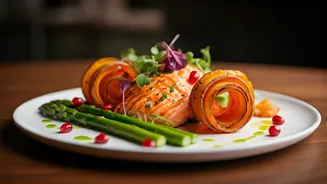





So, What Exactly Is This Trend?
This isn't about simply swapping your jelly for a slice of bacon. The trend is a fundamental reimagining of the first meal of the day. Think less pancake syrup, more chili oil. At the forefront are savory oats, the formerly bland porridge now getting
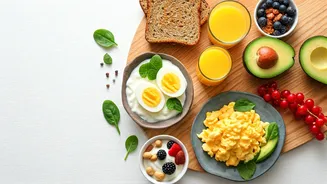
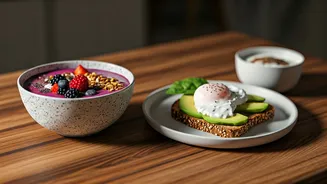
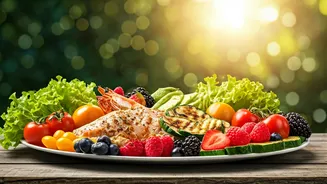
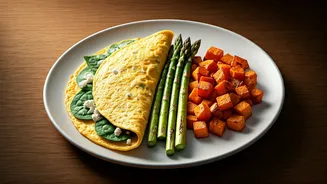
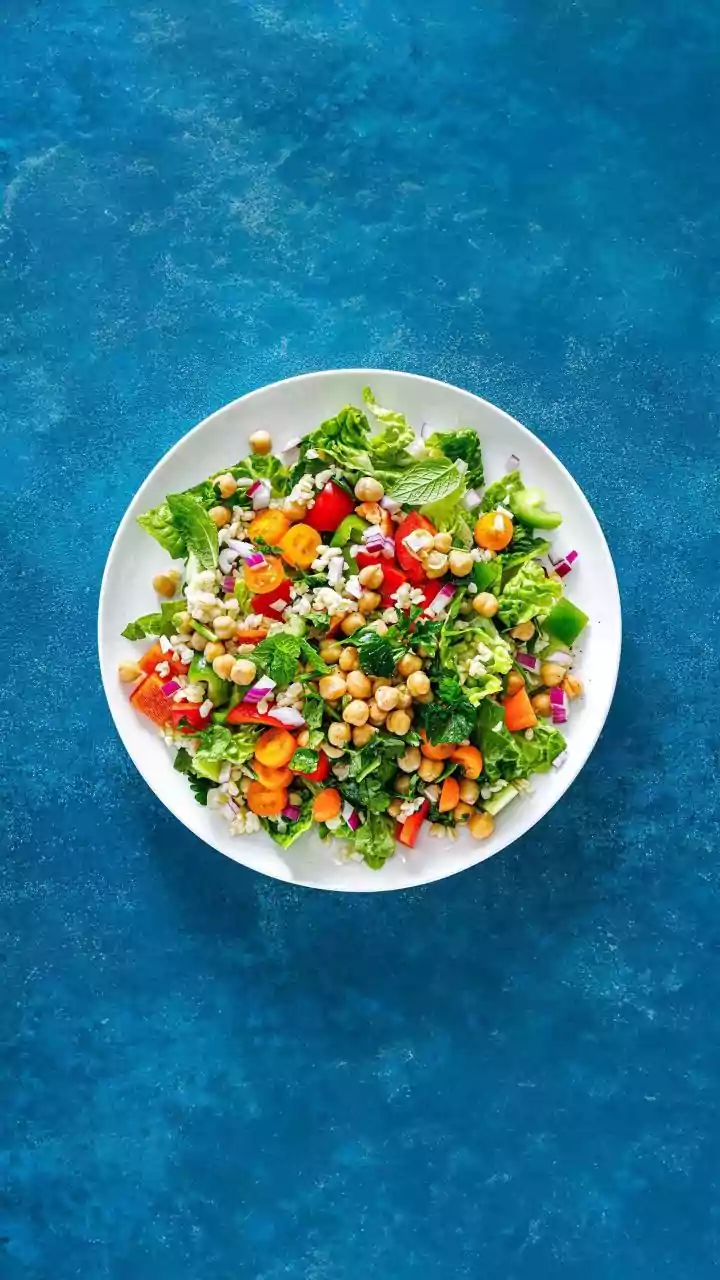
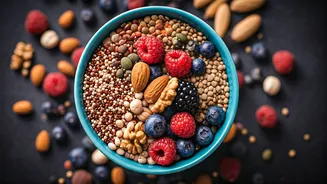
a major glow-up with toppings like a jammy soft-boiled egg, sautéed mushrooms, scallions, and a drizzle of soy sauce. But it extends far beyond that. We’re seeing a surge in breakfast grain bowls topped with avocado and roasted vegetables, protein-rich cottage cheese bowls mixed with everything-bagel seasoning, and even breakfast salads. It’s a move toward meals that would feel just as appropriate for lunch or dinner, effectively erasing the old, rigid rules about what constitutes “breakfast food.” It’s about building a balanced, nutrient-dense plate rather than grabbing the quickest carb-and-sugar hit.
A Direct Rejection of Sugar Shock
Much of this movement can be seen as a direct backlash against the sugar-laden breakfasts that defined generations of American mornings. Cereals with cartoon mascots, toaster pastries frosted in neon colors, and giant muffins that are essentially cakes without the party—they all deliver a quick burst of energy followed by the inevitable, productivity-killing crash. Consumers are more educated than ever about the effects of blood sugar spikes on everything from mood and focus to long-term health. A savory, protein-forward breakfast provides sustained energy, keeping you feeling full and focused until lunch without the rollercoaster of a sugar high. It’s a conscious choice to start the day on a more stable, even-keeled foundation, which feels less like a diet and more like a simple, effective life hack.
Driven by Our Protein Obsession
Walk down any grocery store aisle and you’ll see it: “protein-packed” labels are everywhere. Our collective wellness focus has zoomed in on protein as the macronutrient MVP, prized for its ability to build and repair muscle, increase satiety, and support a healthy metabolism. The savory breakfast trend fits perfectly into this paradigm. Adding eggs, cheese, seeds, or even leftover shredded chicken to a morning bowl is an easy and delicious way to hit those protein goals early in the day. This is a far cry from the low-fat, high-carb craze of the ‘90s. Today, the goal is balance, and a breakfast that delivers a solid 20-30 grams of protein is seen as the gold standard for setting your body up for success, whether you’re an athlete or just trying to avoid a 10 a.m. snack attack.
Global Flavors for Breakfast
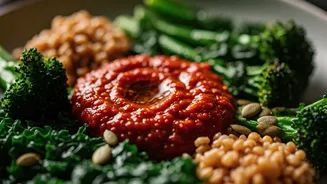
For much of the world, a savory breakfast is simply… breakfast. In Japan, a typical morning meal might include grilled fish, miso soup, and rice. In Turkey, it’s a vibrant spread of olives, cheeses, tomatoes, and eggs. In Vietnam, a steaming bowl of pho is a common way to start the day. As American palates have become more adventurous and global cuisines more accessible (thanks, internet!), the idea of incorporating umami, spice, and herbs into our first meal no longer feels foreign. We’ve become comfortable with flavors like gochujang, za’atar, and miso, and we’re realizing they work just as beautifully at 8 a.m. as they do at 8 p.m. This trend isn’t an invention; it’s an adoption, welcoming the world’s morning traditions to our own tables.
Why It Has Real Staying Power
Fads come and go, but this shift feels different. It’s not tied to a single, proprietary product or a restrictive diet plan. Instead, it’s a flexible framework that aligns with broader, long-term shifts in health consciousness, culinary curiosity, and busy lifestyles. Savory breakfasts are endlessly customizable to fit dietary needs (vegetarian, gluten-free) and personal preferences. Many components can be prepped in advance—like cooking a batch of grains or hard-boiling eggs—making a weekday power-breakfast just as fast as pouring a bowl of cereal. It’s practical, satisfying, and rooted in nutritional science, not just social media hype. This isn’t a fleeting trend; it’s an evolution in how we think about fueling our days.