






Understanding 'Empty Calories'
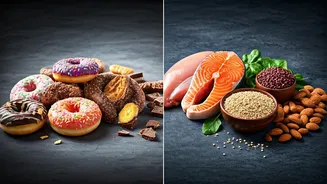
The term “empty calories” gets thrown around a lot, but what does it actually mean? Think of it as a bad deal for your body. These are calories from foods containing solid fats and/or added sugars with very few, if any, essential vitamins or minerals.
They give you a quick burst of energy—often from sugar—but offer little else in terms of nutritional value.Common sources include sugary drinks like sodas and energy drinks, processed snacks like potato chips and cookies, candy, and pastries made with refined white flour. While they might satisfy a craving in the moment, they don't provide the building blocks your body needs to function optimally. The result? A temporary energy spike followed by a crash, and persistent feelings of hunger that can lead to overeating later.
The Power of Protein
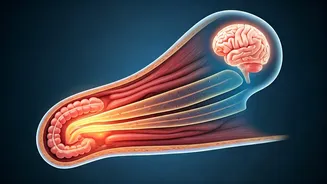
Protein, on the other hand, is the VIP of macronutrients when it comes to satisfaction and function. It’s essential for building and repairing tissues, making enzymes and hormones, and is a crucial building block of bones, muscles, cartilage, skin, and blood. But for everyday eating, its biggest superpower is satiety—the feeling of fullness and satisfaction after a meal.Compared to carbohydrates and fats, protein takes longer to digest. This slow-and-steady process helps stabilize blood sugar levels, preventing the dramatic spikes and crashes associated with sugary, empty-calorie foods. A meal or snack rich in protein will keep you feeling full for hours, reducing the urge to graze on less-nutritious options. Furthermore, your body uses more energy to digest protein than it does for carbs and fat, a phenomenon known as the thermic effect of food. This means a portion of the calories you consume from protein are used up in the digestion process itself.
Simple Swaps for an Easy Switch
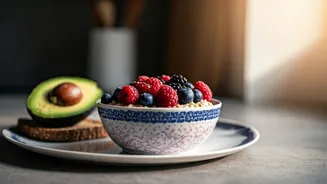
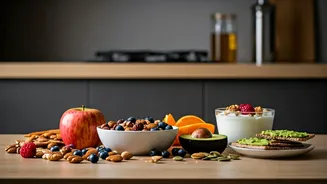
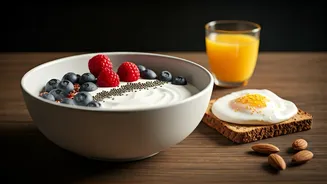
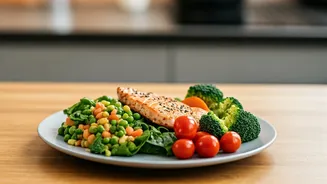
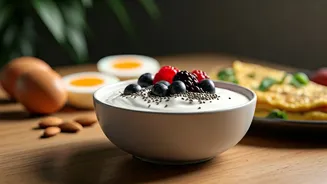
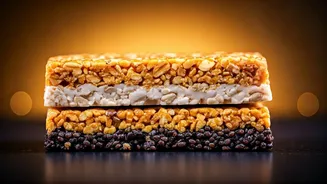
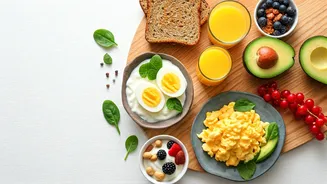
Making the change doesn't require a complete dietary overhaul. It’s about making smarter, incremental swaps that add up over time. The goal is to upgrade your choices, not to deprive yourself. Here are a few easy trades to get you started:* **For Breakfast:** Instead of a sugary cereal or a plain bagel with cream cheese, try two eggs or a bowl of Greek yogurt with berries. Both are packed with protein that will carry you through to lunch.* **For a Mid-Morning Snack:** Instead of reaching for a pastry or granola bar (which can be high in sugar), grab a handful of almonds, a cheese stick, or an apple with a spoonful of peanut butter.* **For Lunch:** Instead of a sandwich with processed deli meat on white bread, build a big salad with grilled chicken or chickpeas. If you love sandwiches, choose whole-wheat bread and pile it with lean turkey or tuna salad made with Greek yogurt instead of mayonnaise.* **For an Afternoon Pick-Me-Up:** Instead of a bag of chips or a candy bar from the vending machine, try some beef jerky, roasted edamame, or a small protein shake.
Making Your New Habit Stick
The key to long-term success is consistency, not perfection. Don’t try to change everything at once. Start by focusing on upgrading one meal or snack per day. For example, make a commitment to having a protein-forward breakfast every day for a week. Notice how you feel. Are you less hungry mid-morning? Do you have more stable energy?Planning ahead is your best defense against falling back on old habits. Keep protein-rich snacks like nuts, seeds, or individual yogurt cups visible in your pantry or fridge. When you go grocery shopping, make a point to add lean protein sources like chicken breast, fish, beans, and lentils to your cart first. By making the better choice the easier choice, you set yourself up for success without relying on sheer willpower.