



Lilies: The Feline Menace
While many plants are mildly toxic, true lilies (including Easter, Stargazer, and Tiger lilies) are in a class of their own when it comes to cats. Every part of the plant—petal, stem, leaf, and even the pollen or water from the vase—is extremely poisonous
to felines. Ingesting just a tiny amount can lead to severe, acute kidney failure within 24 to 72 hours. Initial signs may be subtle, including vomiting, lethargy, and a lack of appetite, but the damage is happening quickly. For dogs, lilies are less catastrophic, typically causing only minor gastrointestinal upset. But for cat owners, these beautiful flowers are an absolute no-go. If you receive a bouquet containing lilies, it's safest to remove them from the house immediately.
Sago Palm: A Deceptively Dangerous Decoration
Looking like a miniature palm tree, the Sago Palm is a popular choice for adding a tropical vibe to indoor and outdoor spaces. Unfortunately, it is one of the most poisonous plants for both cats and dogs. All parts of the plant are toxic, but the seeds, or "nuts," contain the highest concentration of the poison cycasin. Ingestion can cause severe vomiting, bloody stools, jaundice, increased thirst, and, most critically, liver failure. Symptoms can appear within 15 minutes or be delayed for several hours. Due to its high fatality rate, even with aggressive veterinary treatment, pet owners are strongly advised to keep this plant far away from their animals.
Philodendron & Pothos: Common but Caustic
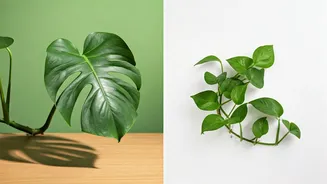
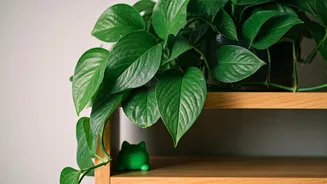
These two trailing plants are incredibly common in American homes because they're hardy and easy to care for. Both belong to the Araceae family and contain insoluble calcium oxalate crystals. When a pet chews on the leaves or stems, these microscopic, needle-like crystals are released, causing intense pain and irritation to the mouth, tongue, and lips. You might notice your pet pawing at their face, drooling excessively, or showing signs of oral discomfort and difficulty swallowing. While rarely fatal, the experience is extremely unpleasant for your pet. Thankfully, most animals are deterred from ingesting a large amount after the initial painful bite, but curious puppies and kittens might not be so wise.
ZZ Plant: The Resilient Risk
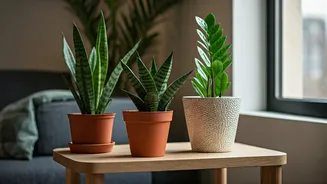
The Zamioculcas zamiifolia, or ZZ Plant, is beloved for its waxy, dark green leaves and its near-indestructibility, thriving even in low light with infrequent watering. Like the Philodendron and Pothos, the ZZ Plant also contains calcium oxalate crystals. Chewing or biting into it will cause immediate irritation to the mouth and GI tract. Symptoms are similar: drooling, vomiting, and a visible loss of appetite due to oral pain. While the toxicity is generally considered mild to moderate, it’s a good reminder that even the most low-maintenance plants require high-level awareness when pets are around. Keep them on high shelves or in rooms that are off-limits to your four-legged friends.
Aloe Vera: More Than Just a Soothing Gel
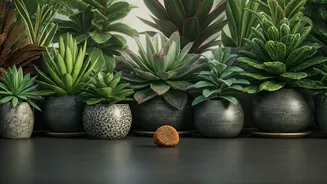
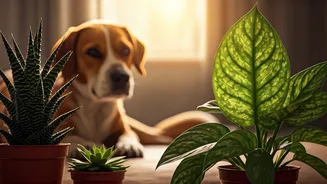
We know Aloe Vera for the soothing gel inside its leaves, which is safe for humans to use topically. However, the plant itself is not safe for pets to eat. The succulent leaves contain saponins and anthraquinones, compounds that act as laxatives. When ingested by a cat or dog, these substances can cause significant gastrointestinal upset, including vomiting, lethargy, and severe diarrhea. While the gel itself is not the primary issue, a pet chewing on the whole leaf will ingest the toxic components. Given that Aloe is often kept on accessible windowsills, it’s an important one for pet owners to be mindful of.
What to Do If You Suspect Poisoning
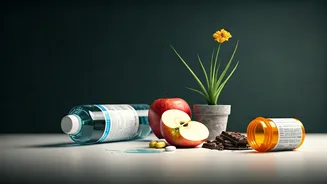
If you see your pet eat a potentially toxic plant or suspect they have, don't wait for symptoms to appear. First, safely and immediately remove your pet from the area and take away any remaining plant material from their mouth. Then, call your veterinarian, an emergency vet clinic, or a pet poison control hotline right away. The ASPCA Animal Poison Control Center (APCC) and the Pet Poison Helpline are available 24/7. Have the name of the plant (a photo can help if you're unsure) ready when you call, as this will help experts give you the most accurate advice for your specific situation. Acting quickly is the single most important factor in ensuring a positive outcome.