



First, Understanding the Monsoon
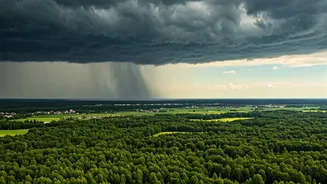
Before diving into the trend, it’s important to understand what the monsoon means in India. This isn't your average rainy week. The Indian monsoon is a season, typically lasting from June to September, that fundamentally transforms the subcontinent. It’s
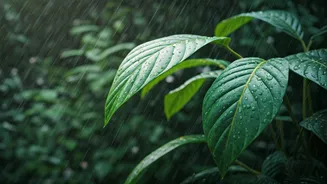
a period of dramatic, near-daily downpours that replenish rivers, nourish crops, and break the intense summer heat. For centuries, it has been a powerful cultural and agricultural force, celebrated in poetry, film, and festivals. While it can cause flooding and disrupt daily life, it also turns the parched, dusty landscape into a panorama of lush, vibrant greens. This dramatic seasonal shift is the very foundation of the “rain-proof” holiday trend, which is less about avoiding rain and more about finding the beauty within it.
The Lush Green Escape
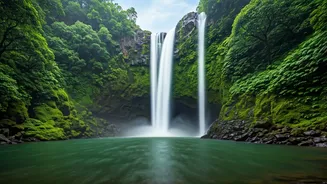
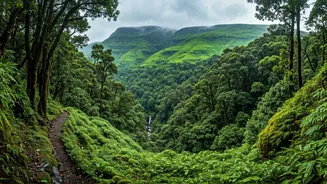
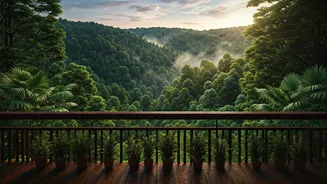
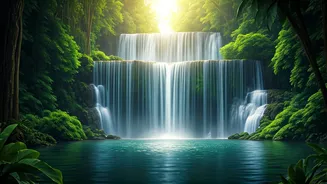
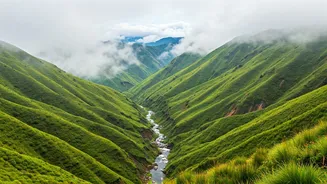
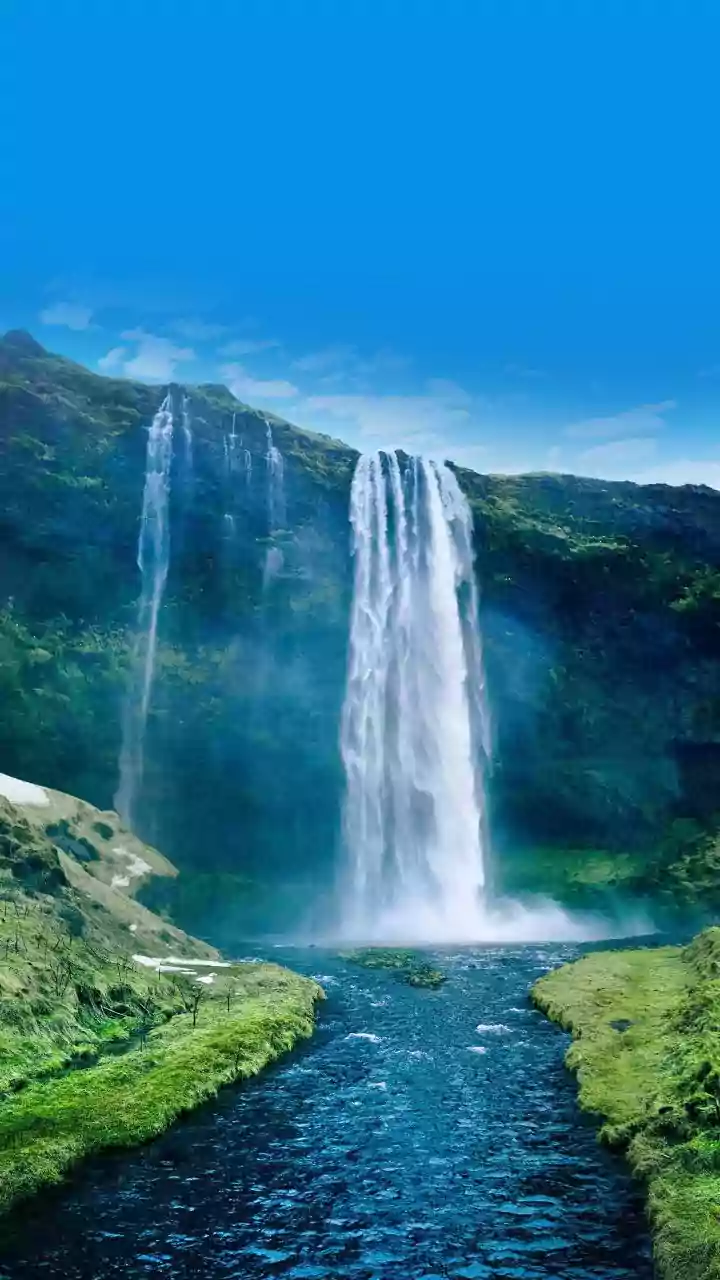
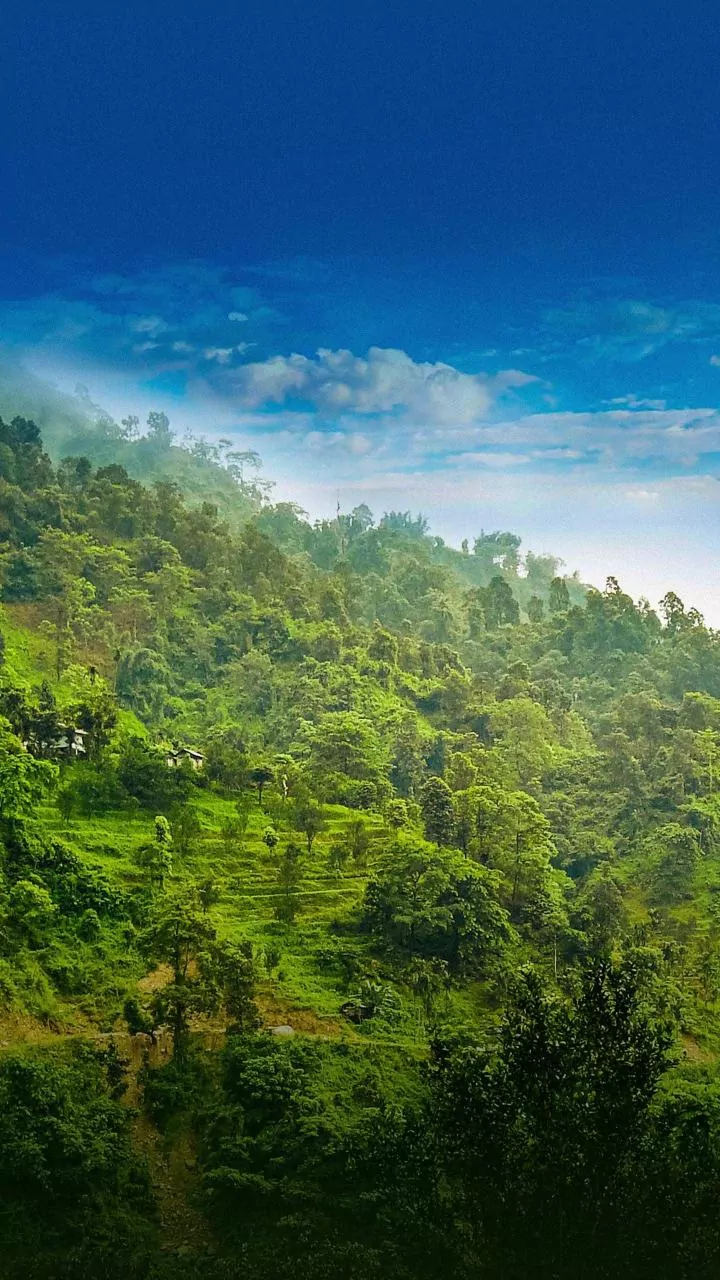
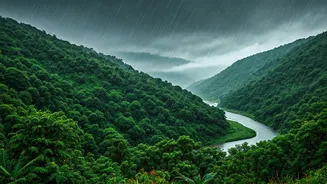
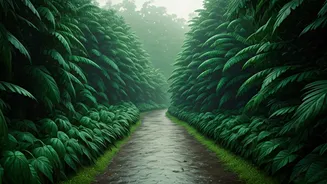
The most popular form of monsoon travel involves heading directly into the heart of the rain-soaked countryside. Destinations in the Western Ghats—a mountain range running parallel to India's west coast—become otherworldly. States like Kerala, often called “God’s Own Country,” and regions like Coorg in Karnataka, are magnets for travelers seeking a sensory overload. Imagine winding roads flanked by emerald tea plantations, the air thick with the smell of wet earth and spices, and the constant, meditative sound of rainfall. Tourists flock to see waterfalls at their most powerful and landscapes at their most verdant. These trips aren’t about sunbathing; they’re about hiking through misty hills, sipping hot chai while watching the downpour from a veranda, and experiencing nature at its most theatrical.
The Cozy Wellness Retreat
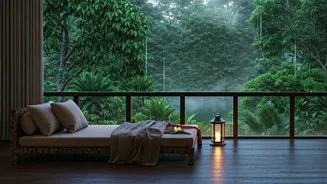
For those who prefer their nature with a side of pampering, the monsoon is becoming the new peak season for wellness. According to ancient Ayurvedic tradition, the monsoon is the ideal time for rejuvenation therapies. The logic is that the body is more receptive to treatment when the weather is cool and the pores are open. Spas and wellness centers, particularly in Kerala and the Himalayan foothills, now market specific “monsoon packages.” These holidays are the definition of “rain-proof.” Guests spend their days enjoying massages, yoga, and meditation, while the rain provides a soothing, natural soundtrack. It reframes the downpour not as an inconvenience but as a key part of a restorative, introspective experience.
The Urban Resort Getaway
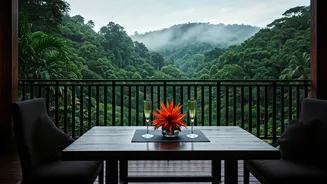
This trend isn't just for nature lovers. City dwellers are increasingly opting for luxurious “staycations” at high-end hotels that turn the monsoon into a romantic backdrop. Instead of fighting traffic in a waterlogged city, they check into a resort for the weekend. These establishments offer discounted rates and all-inclusive packages with fine dining, indoor pools, and spa services. The goal is to create a cozy, sheltered bubble where the chaos of the monsoon is transformed into a beautiful, cinematic view from a hotel window. It’s a chance to unwind and indulge without having to travel far, making the rain an excuse for a decadent break rather than a reason to stay home.
The Practical Perks: Fewer Crowds, Lower Prices
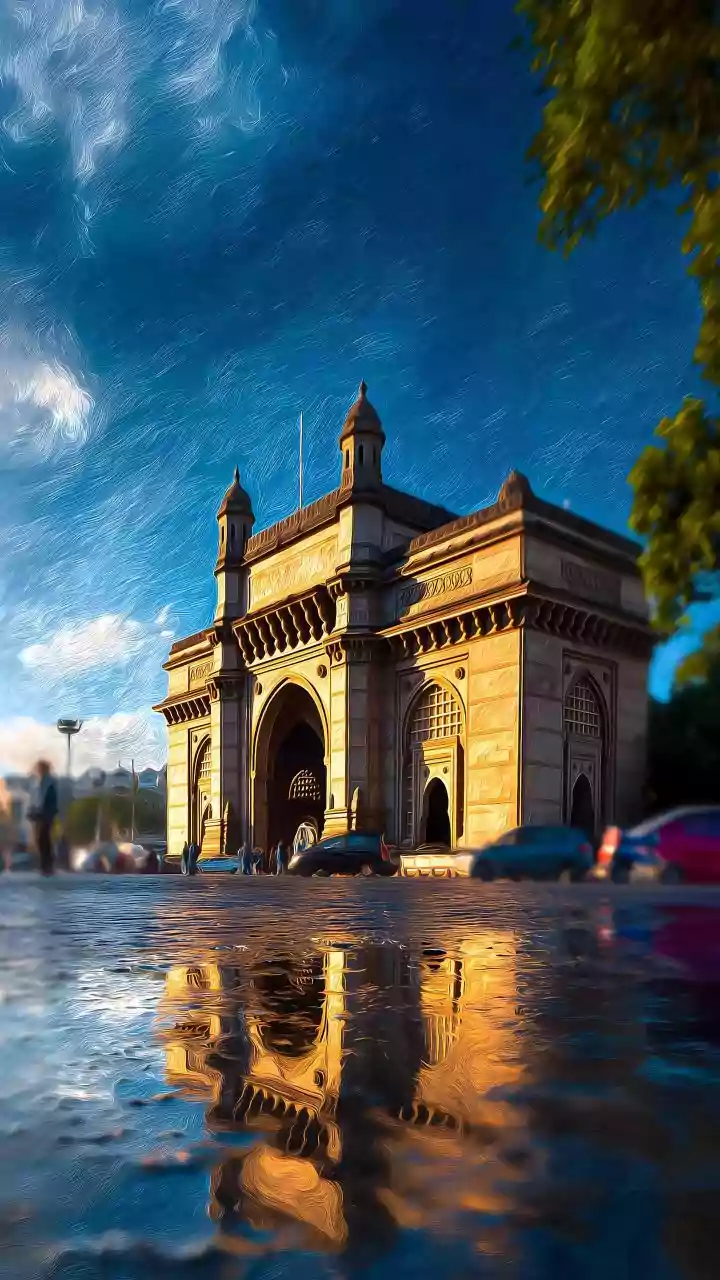
Beyond the aesthetics and atmosphere, there’s a powerful practical driver behind this trend: value. The monsoon season is traditionally India’s travel off-season. For decades, that meant tourists stayed away, leaving popular destinations empty. But savvy domestic and international travelers are now realizing this is the perfect time to visit. Flights and hotel accommodations are often significantly cheaper than during the peak winter months. Major attractions, from the backwaters of Kerala to the palaces of Rajasthan (which has its own unique monsoon charm), are blissfully free of the usual crowds. For budget-conscious or crowd-averse travelers, the trade-off of a few daily downpours for a more peaceful and affordable trip is more than worth it.