
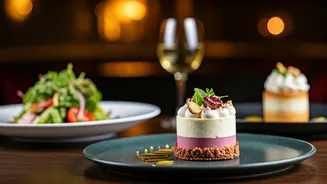
The End of the White Tablecloth
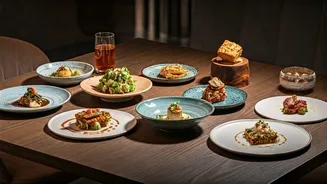
For decades, "fine dining" meant one thing: white tablecloths, a sommelier who might silently judge you, and a bill that could rival a monthly car payment. It was a performance of wealth and status as much as a meal. But for many younger diners, particularly
Millennials and Gen Z, this model feels outdated, exclusionary, and, frankly, a little boring. They grew up in an era of celebrity chefs who wore sneakers, not toques, and food blogs that celebrated a perfect taco as much as a perfect soufflé. The reverence for rigid, Euro-centric culinary traditions has waned, replaced by a hunger for something more genuine and less intimidating. The three-hour, multi-course tasting menu is no longer the undisputed pinnacle of culinary achievement; for many, it's an expensive, time-consuming commitment they'd rather trade for a more dynamic and personal experience.
Experience Over Exclusivity
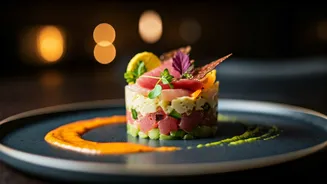
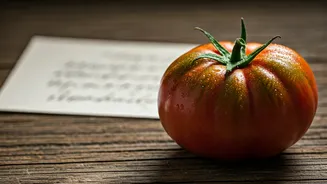
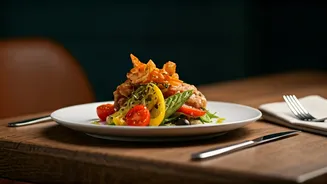
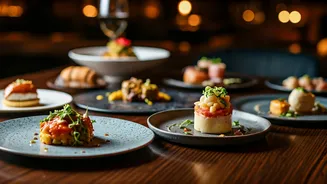
So what replaced the old luxury? The new benchmark is a memorable, high-quality experience that feels both special and accessible. This shift is powered by a different set of values. Today’s foodies want transparency about where their food comes from, an atmosphere that’s vibrant and relaxed, and dishes that tell a story. They’re seeking out chef-driven, counter-service spots where you can watch your meal being made, or bustling food halls offering a dozen different global cuisines under one roof. The luxury isn't in the thread count of the napkins; it's in the perfectly crafted bite of handmade pasta, the rare heirloom tomatoes in a salad, or the complex spice blend in a bowl of ramen. It's a move from passive consumption to active engagement. They don't just want to eat good food; they want to feel connected to it.
The 'High-Low' Sweet Spot
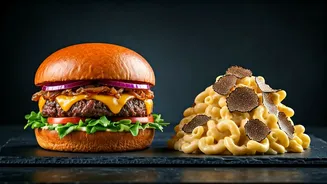
This new mindset has created a thriving culinary middle ground often called “fine-casual” or “fast-premium.” These are places that combine the high-quality ingredients and cheffy techniques of fine dining with the speed, price point, and informal setting of a casual restaurant. Think of a burger joint that grinds its own proprietary beef blend daily, a pizzeria using naturally leavened dough and imported Italian flour, or a food truck serving Michelin-worthy dumplings. Social media has accelerated this trend enormously. A dish's value is often measured by its “shareability”—not just how good it looks on Instagram, but the story that goes with it. A picture of a stuffy dining room is a status symbol for a previous generation. A picture of a unique, delicious, and hard-to-find dish from a pop-up is the new currency.
Driven by Values and Economics
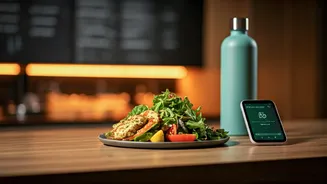
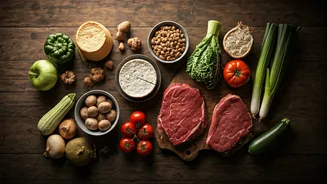
This isn't just about taste; it's about pragmatism. Millennials and Gen Z are navigating a world with higher student debt and greater economic uncertainty than their parents. Shelling out $500 for a dinner for two isn't just undesirable, it’s often impossible. They are masters of optimizing for value, and in food, that means seeking the highest possible quality for a price that feels reasonable. They’d rather spend $25 on an inventive, unforgettable meal at a casual hotspot three times than save up for one formal dinner. Furthermore, this demographic places a high premium on diversity and sustainability. They are more likely to support restaurants that reflect a wider range of global culinary traditions and prioritize ethical sourcing. The old guard of fine dining, with its historical focus on French and Italian cuisines and its often wasteful practices, can feel out of step with these modern values.