





The Rise of Sanctuary Spaces
Remember when the most specialized room in the house was the home office? Today, that concept has expanded to include spaces dedicated entirely to mental peace. Homeowners are carving out 'sanctuary spaces'—tech-free reading nooks, meditation corners
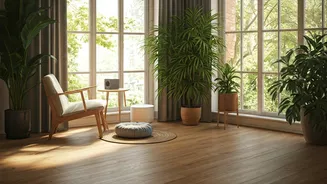
with just a cushion and a simple plant, or even just a single comfortable chair positioned to catch the morning light. This isn't about adding square footage; it's about designating zones for intentional disconnection. In a world where the line between work and life has evaporated, creating a physical boundary for mindfulness within your own walls has become a psychological necessity. It’s a quiet rebellion against the 'always-on' culture, offering a place to recharge without having to pack a bag.
Biophilia: Bringing the Outdoors In
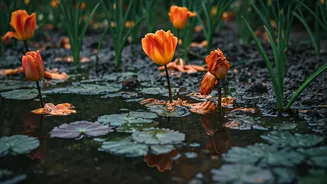
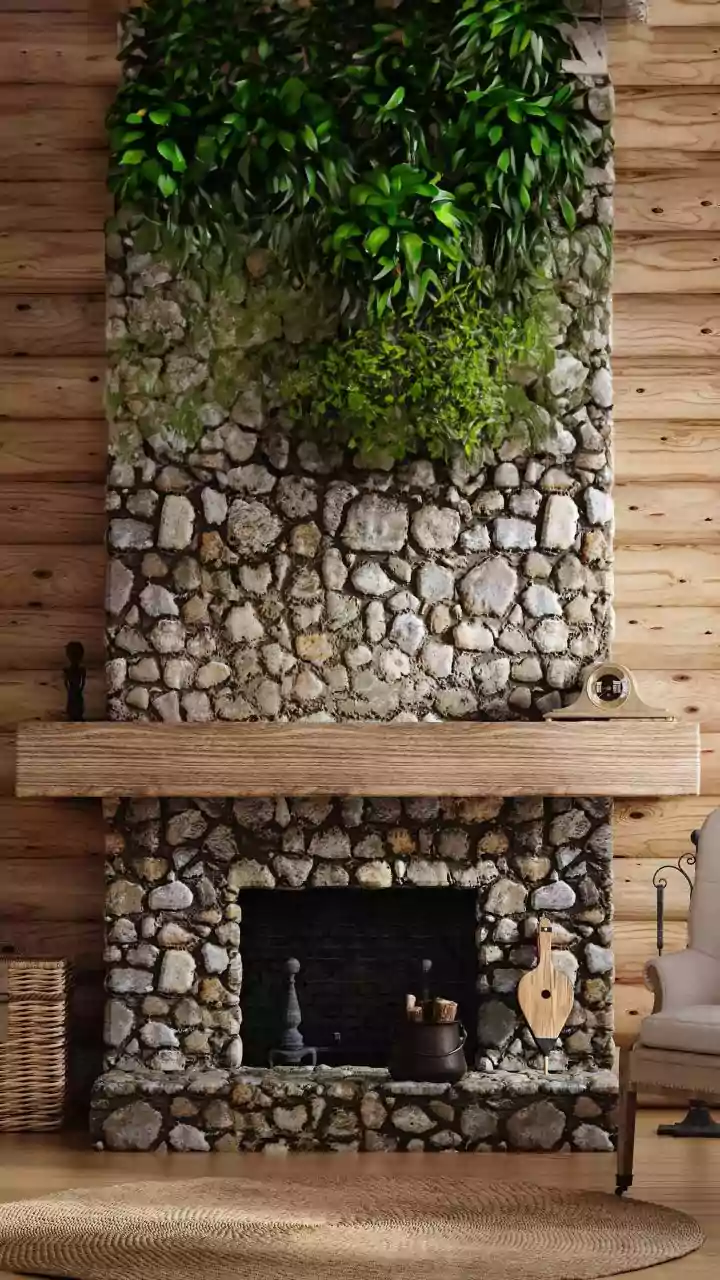
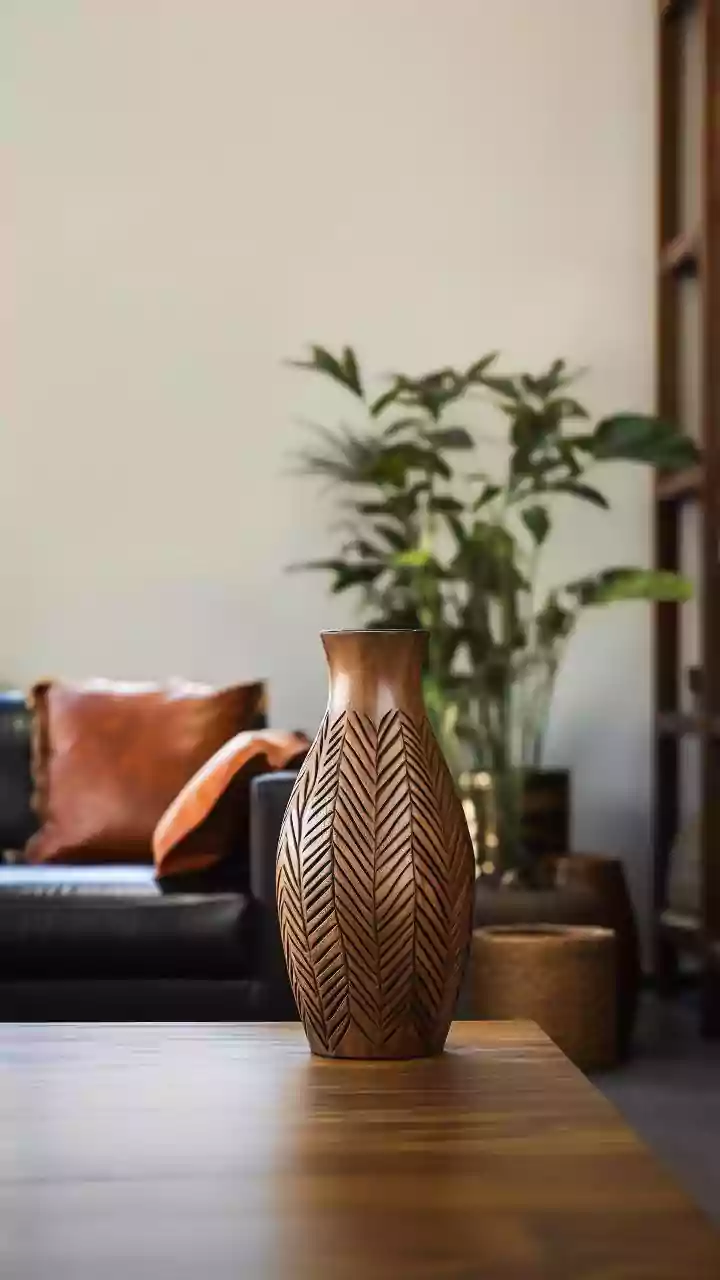
You’ve probably seen this in action, even if you didn’t know its name. Biophilic design is the practice of connecting people and nature within our built environments. In the home, this trend has exploded. It's more than just scattering a few succulents around. It's about a holistic embrace of the natural world: large windows that maximize natural light, the use of materials like unfinished wood and stone, and, yes, an abundance of indoor plants. Studies have shown that exposure to nature, even indoors, can reduce stress, improve cognitive function, and elevate mood. By incorporating these elements, we’re tapping into an innate human need to be close to nature, turning our living rooms into restorative landscapes.
The Curated Sensory Experience
A wellness retreat carefully manages what you see, hear, and smell. The same principles are now being applied at home. The scented candle has evolved into a sophisticated 'scent-scape,' with homeowners using essential oil diffusers to tailor aromas to their mood—lavender for calm, citrus for energy. Sound is also getting a makeover. Instead of the TV droning on, people are using smart speakers to play calming soundscapes, from gentle rain to ambient music. It’s about creating a multi-sensory environment that actively de-stresses you. This intentional curation of sound and scent helps signal to our brains that we’ve transitioned from a state of work and worry to one of relaxation and peace.
Japandi: The Perfect Wellness Aesthetic
If this trend had an official uniform, it would be 'Japandi.' A hybrid of Japanese rustic minimalism and Scandinavian functionality, this design style is built for tranquility. It emphasizes clean lines, a muted color palette, and a deep appreciation for natural, high-quality materials. Japandi is the antithesis of clutter and chaos. It champions the idea of having fewer, better things and creating an uncluttered space where the mind can feel equally uncluttered. Its focus on craftsmanship and imperfect, natural beauty (known as 'wabi-sabi' in Japanese culture) encourages a slower, more mindful way of living, making it the ideal aesthetic for a home designed for well-being.
Smart Tech for Tranquility
While some wellness trends are about unplugging, another branch embraces technology—but for a different purpose. Wellness tech is being seamlessly integrated into the home to support physical and mental health. Think circadian rhythm lighting systems that adjust color temperature throughout the day to support your natural sleep-wake cycle, high-tech air purifiers that create a healthier breathing environment, and smart beds that track sleep quality. Even fitness has found a permanent, sleeker home, moving beyond bulky treadmills to elegant, wall-mounted fitness mirrors and dedicated yoga corners. This isn't tech for distraction; it's tech for optimization, working silently in the background to make your home a healthier place to be.