



The Great Grain Misunderstanding
Let’s clear this up first: not all grains are created equal. The anti-carb movement wasn’t entirely wrong—it was just oversimplified. The problem was never “grains” as a monolithic category, but rather our overconsumption of *refined* grains. When a grain is refined,
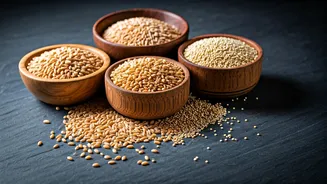
its bran and germ are stripped away, removing the most valuable parts: fiber, vitamins, and minerals. What’s left is the starchy endosperm, which your body processes quickly, leading to blood sugar spikes and crashes. Think white bread, sugary cereals, and most packaged crackers. Whole grains, on the other hand, keep the entire kernel intact. This simple difference is the key to unlocking their powerful health benefits and explains why nutrition experts are so eager to bring them back to the table.
Your Gut's Best Friend: Fiber
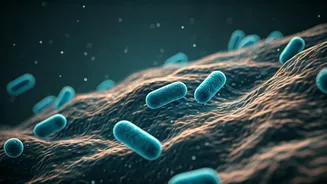
If there's one reason to re-embrace grains, it's fiber. Specifically, the prebiotic fiber found in abundance in whole grains like oats, barley, and whole wheat. These fibers are indigestible by you, but they are the favorite food of the trillions of beneficial bacteria living in your gut—your microbiome. A happy, well-fed microbiome is linked to a stronger immune system, better mood, and reduced inflammation throughout the body. By feeding these good bugs, you're essentially cultivating an internal garden that works to keep you healthy. This is a far cry from the empty calories of a slice of white bread. It’s about providing your body with the fundamental building blocks it needs for long-term digestive wellness.
Beyond the Gut: Heart and Blood Sugar
The benefits don't stop at digestion. Numerous large-scale studies have consistently linked a diet rich in whole grains to a lower risk of major chronic diseases. The soluble fiber in oats and barley, for instance, has been shown to help lower LDL (“bad”) cholesterol, a major risk factor for heart disease. Because they are digested slowly, whole grains also help stabilize blood sugar levels, which is crucial for preventing and managing type 2 diabetes. Unlike the sharp spike and fall you get from a candy bar or soda, the energy from a bowl of oatmeal or a slice of whole-grain toast is released slowly and steadily, keeping you full and focused for hours.
Meet the Modern Grain A-List
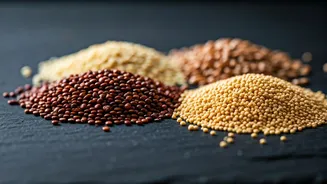
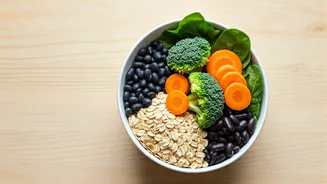
Ready to move beyond basic brown rice? The world of whole grains is vast and delicious. **Quinoa:** This South American seed is a complete protein, meaning it contains all nine essential amino acids. It’s gluten-free with a nutty flavor and cooks up in just 15 minutes. Perfect for salads and grain bowls. **Farro:** A hearty, chewy ancient wheat grain that’s packed with fiber and protein. It has a rich, nutty taste that stands up well in soups, stews, and as a substitute for Arborio rice in risotto. **Barley:** Don’t just relegate it to soup. Hulled barley is a chewy, fiber-rich powerhouse. It’s fantastic for regulating blood sugar and makes a great base for a warm grain salad or a breakfast porridge. **Freekeh:** Young, green wheat that has been roasted and cracked. It boasts a smoky, nutty flavor and a firm, chewy texture. It cooks faster than many other whole grains and is high in both fiber and protein.
How to Easily Add Grains Back
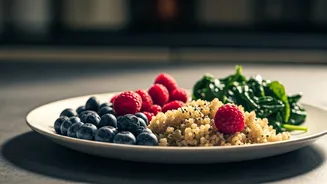
Bringing grains back into your diet doesn’t require a complete overhaul. Start with simple, easy swaps. Trade your white sandwich bread for a 100% whole-wheat or sprouted-grain version. Switch from white rice to brown rice, quinoa, or farro as a side dish. Begin your day with a bowl of old-fashioned oatmeal topped with fruit and nuts instead of a sugary processed cereal. When you're baking, try substituting half of the all-purpose flour with whole-wheat flour. These small changes add up, gradually increasing your fiber intake and reintroducing your palate to the satisfying, complex flavors of real, unprocessed food.