







The Goldilocks Season
For those of us accustomed to weather forecasts in Fahrenheit, the headline's numbers might seem abstract. But ten to twenty-five degrees Celsius translates to a perfect 50 to 77 degrees Fahrenheit. It’s the kind of weather you dream of: warm enough for a t-shirt
in the sun, cool enough for a light jacket in the shade. It’s the temperature of a perfect late spring afternoon in California or a crisp autumn day in New England. But in Leh, the capital of India's remote Ladakh region, this weather isn't just pleasant—it's a minor miracle. This isn't the sticky humidity of the American South or the damp chill of the Pacific Northwest. The key word is “dry.” In this high-altitude desert, it means crystalline air, boundless visibility, and a sky so intensely blue it feels surreal. This is the narrow, magical window when Leh is at its most inviting.
A Land of Dramatic Extremes
To appreciate the gift of this mild weather, you have to understand Leh’s other reality. Nestled over 11,500 feet up in the Himalayas, this is a city defined by extremes. For much of the year, it is not a gentle place. Winter is a brutal, deep-freeze affair. From December to February, temperatures regularly plunge to -20°F (-30°C) and colder. Roads become impassable, pipes freeze solid, and the entire region is essentially cut off from the rest of the world, hibernating under a thick blanket of snow and ice. The brief, intense summer can see the sun beat down with high-altitude ferocity. But in the shoulder seasons—typically from May to early June and again in September—the climatic chaos subsides. The snows have melted, but the harshest sun has yet to arrive. The result is this sublime equilibrium, a fleeting period when the land exhales, and you can, too.
High-Altitude Desert Majesty
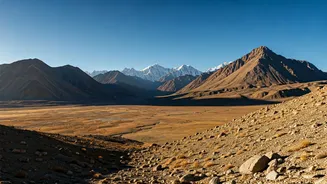
This perfect weather unlocks one of the most astonishing landscapes on Earth. Ladakh is often called “the Moonland” for its stark, barren beauty. During this season, the backdrop is a panorama of sharp, snow-dusted peaks set against that impossible cobalt sky. The “dry” air means no haze, no pollution, just a clear, uninterrupted view of the geologic drama. Down in the valleys, the Indus and Zanskar rivers, now flowing freely after the winter freeze, provide ribbons of turquoise and emerald green against the beige and brown mountains. It’s in this climate that you can comfortably explore the region’s iconic Tibetan Buddhist monasteries, like Thiksey and Hemis, which seem to grow organically from the cliff faces. The fluttering of prayer flags in the gentle, dry breeze provides the only soundtrack you need, each snap a quiet reminder of where you are: on the roof of the world, in a moment of pure grace.
When Culture Breathes Easy
The Goldilocks season is also when Leh itself comes alive. The streets of the main bazaar, quiet for much of the winter, begin to hum with activity. Shops selling intricate Ladakhi jewelry and warm pashmina shawls open their doors. Rooftop cafes, offering stunning views of the surrounding Stok mountain range, fill with travelers and locals alike, sipping cups of sweet, milky chai. This is the time for cultural immersion without the hardship. You can wander through Old Town’s labyrinthine alleys, spin the prayer wheels at the base of Leh Palace, and feel the vibrant pulse of a culture that has thrived in this harsh environment for centuries. It’s a time of accessibility, when the spirit of this remote Himalayan outpost is open, welcoming, and easy to breathe in.