
Start Small, Think Vertical
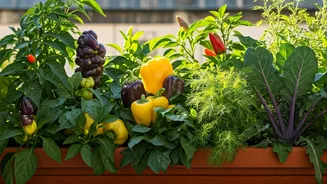
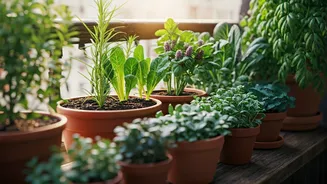
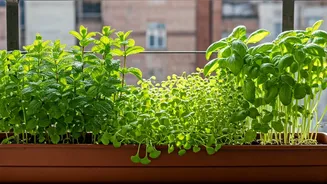
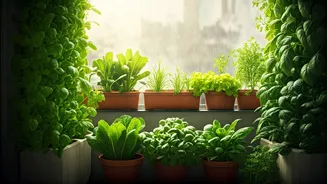
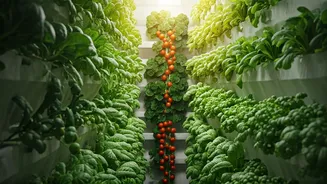
The biggest myth about gardening is that it requires a plot of land. Urban gardening is all about maximizing small spaces. Your fire escape (check local regulations), balcony, patio, or even a sunny windowsill can become a miniature farm. Think in three
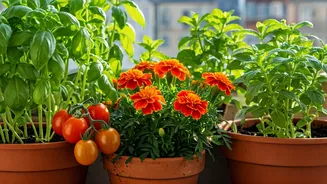
dimensions: vertical planters, tiered shelves, and hanging baskets can dramatically increase your growing area without taking up valuable floor space. The goal isn't to replace your grocery store overnight. It’s to start with one or two manageable containers. A single pot of basil or a hanging basket of cherry tomatoes is a victory. Success builds confidence, and one pot often leads to another.
Choose the Right Container
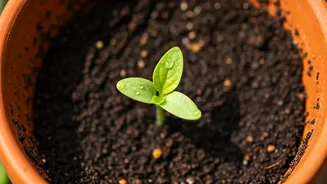
Your pot is your plant's universe, so choosing the right one is critical. Almost anything can be a planter as long as it has drainage holes. Without them, water will pool at the bottom, leading to root rot—a quick death sentence for most plants. Terracotta pots are classic and breathable but dry out quickly. Glazed ceramic and plastic pots retain moisture longer. For root vegetables like carrots or potatoes, you'll need deeper containers. Fabric grow bags are a fantastic, lightweight option that promotes healthy root growth through air-pruning. Start with a container that’s at least 6-8 inches in diameter to give your plant's roots room to grow.
Soil Is More Than Just Dirt
Do not scoop soil from a park or your backyard. Garden soil is too dense for containers; it compacts easily and prevents proper drainage and aeration. For container gardening, you need potting mix. This is a specially formulated, soil-less medium typically made of peat moss, coconut coir, perlite, and vermiculite. It’s designed to be lightweight, hold moisture effectively, and provide airspace for roots. Many mixes also contain a slow-release starter fertilizer. Investing in a quality organic potting mix is the single best thing you can do to ensure your urban garden thrives and remains free of soil-borne pests and diseases.
Follow the Sun
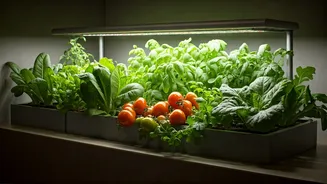
Before you buy a single seed, become a sun detective. Observe your chosen spot throughout the day. Does it get strong, direct sun for six or more hours? That's “full sun,” perfect for sun-worshippers like tomatoes, peppers, and most herbs (like basil and rosemary). If you get three to six hours of direct sun, you have “part sun,” which is ideal for leafy greens like lettuce, spinach, and chard. A spot with no direct sun but bright, indirect light can still support shade-tolerant plants like mint and parsley. Matching the plant to your available light is the secret to a low-stress garden.
Easy Wins for First-Time Growers
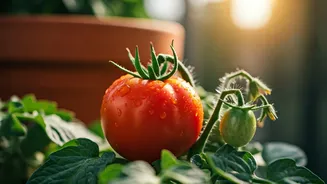
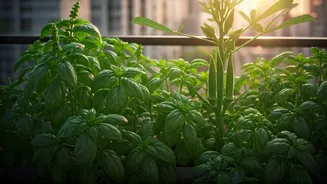
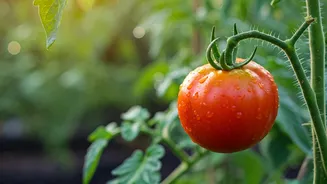
Set yourself up for success by starting with plants known for being resilient and productive in containers. Leafy greens are a great choice; you can harvest outer leaves continuously for weeks. Herbs are the ultimate beginner plant—basil, mint (keep it in its own pot, as it spreads aggressively), chives, and oregano are incredibly forgiving. Radishes and bush beans grow quickly, offering a fast and satisfying reward. For something more substantial, try a “determinate” or “patio” variety of tomato, which are bred to stay compact and produce their fruit all at once.
Water Wisely, Not Weakly
Overwatering and underwatering are the two most common rookie mistakes. The rule of thumb is to check the soil, not the clock. Stick your finger about an inch or two into the potting mix. If it feels dry, it's time to water. If it’s damp, wait. When you do water, do so thoroughly until water runs out of the drainage holes. This encourages deep root growth. A light sprinkle every day is less effective than a deep soak every few days. Containers, especially small ones in the hot sun, dry out much faster than garden beds, so be prepared to check them daily in the summer.
Keeping it Clean and Pesticide-Free
One of the greatest rewards of urban gardening is knowing exactly what went into your food. Growing on a small scale makes organic pest control much simpler. Often, the best defense is a good offense: healthy plants in good soil are less susceptible to pests. Check your plants regularly for signs of trouble. Many common pests like aphids can be dislodged with a strong spray of water from a hose or spray bottle. Introducing beneficial insects like ladybugs can also help. For persistent issues, insecticidal soap and neem oil are effective, widely available organic options that are safe for edible plants.