

A City Drenched in Gold
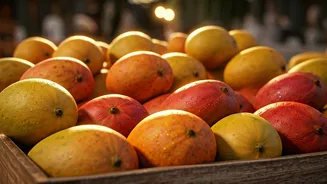
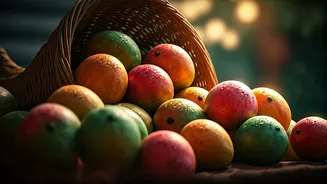
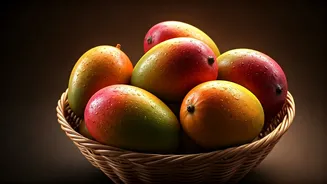
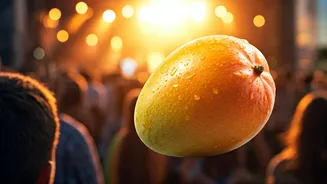
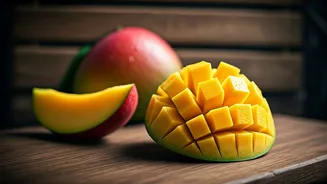
Imagine stepping into a world painted in shades of yellow, orange, and blushing red. This is the scene at the Delhi Mango Festival, an annual event that transforms a corner of the bustling metropolis into an fragrant, open-air temple to its most beloved
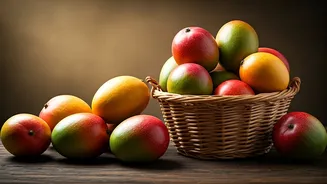
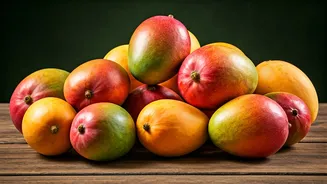
fruit. For a few days each year, typically in early July, locals and tourists flock to venues like Dilli Haat to escape the mundane and dive headfirst into mango madness. The air is thick with the intoxicating, syrupy scent of ripe fruit, a perfume that overpowers even the city’s ever-present spice markets and street food stalls. Live folk music provides a rhythmic backdrop to the cheerful chaos as families navigate aisles piled high with hundreds of mango varieties, their eyes wide with anticipation.
The King of Fruits Takes the Stage
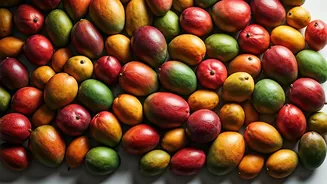
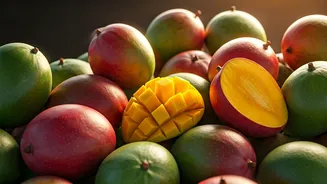
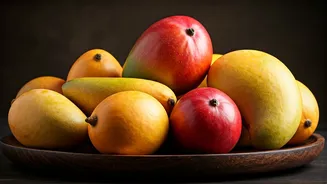
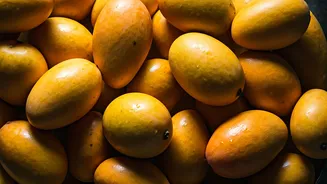
For an American palate accustomed to the handful of mango types available at the local supermarket—usually the reliable Tommy Atkins or the sweet Ataulfo—the diversity on display is staggering. The festival is a living library of mangoes. There’s the legendary Alphonso from Maharashtra, with its creamy, non-fibrous flesh and divine sweetness. You’ll find the slender, green-skinned Dasheri from Uttar Pradesh, known for its intensely sweet pulp and aroma. Then there’s the Langra, with its slight tang, and the Chausa, a late-season favorite so sweet it’s practically a dessert in its own right. Farmers from across the country present their prized harvests, offering free samples and engaging in proud, passionate debates over which region produces the ultimate fruit. It’s more than just a market; it’s an education in the spectacular biodiversity of a single species.
The Sweetest Competition in Town
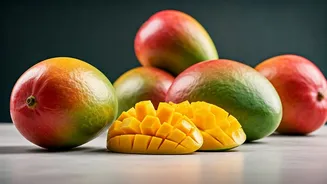
While the tasting and shopping are major draws, the festival's undeniable centerpiece is the mango eating contest. It’s a spectacle of pure, unadulterated joy. Contestants, ranging from eager children to surprisingly competitive adults, line up at long tables, faced with a mountain of sliced mangoes. The rules are simple: eat as much as you can, as fast as you can. Decorum is thrown out the window. Within seconds, faces, hands, and shirts are covered in golden pulp and sticky juice. Laughter erupts from the crowd as participants abandon all pretense of tidiness in their quest for glory. This isn’t about winning a prize; it’s a public, messy, and glorious declaration of love for the fruit that defines the Indian summer.
More Than Just a Summer Treat
To understand the festival's energy, you have to understand the mango's place in the Indian psyche. This isn't just another fruit. It’s woven into the fabric of the culture, appearing in ancient religious texts, poetry, and art. The paisley pattern, a globally recognized design motif, is said to be inspired by the shape of a young mango. The fruit symbolizes love, prosperity, and the blissful arrival of summer after a long, dry spell. Every family has its own rituals surrounding the first mangoes of the season, and every person has a fierce, unwavering loyalty to their favorite regional variety. The festival, therefore, is more than a commercial event. It’s a cultural touchstone, a collective celebration of a shared identity and a taste that connects millions across the subcontinent.