


The Rise of the Personal Retreat
So, what exactly is a wellness corner? Forget elaborate meditation rooms or expensive spa-like bathrooms. This concept is simpler and more accessible. It’s a small, designated nook within a home—often just a corner of a living room or bedroom—that is intentionally
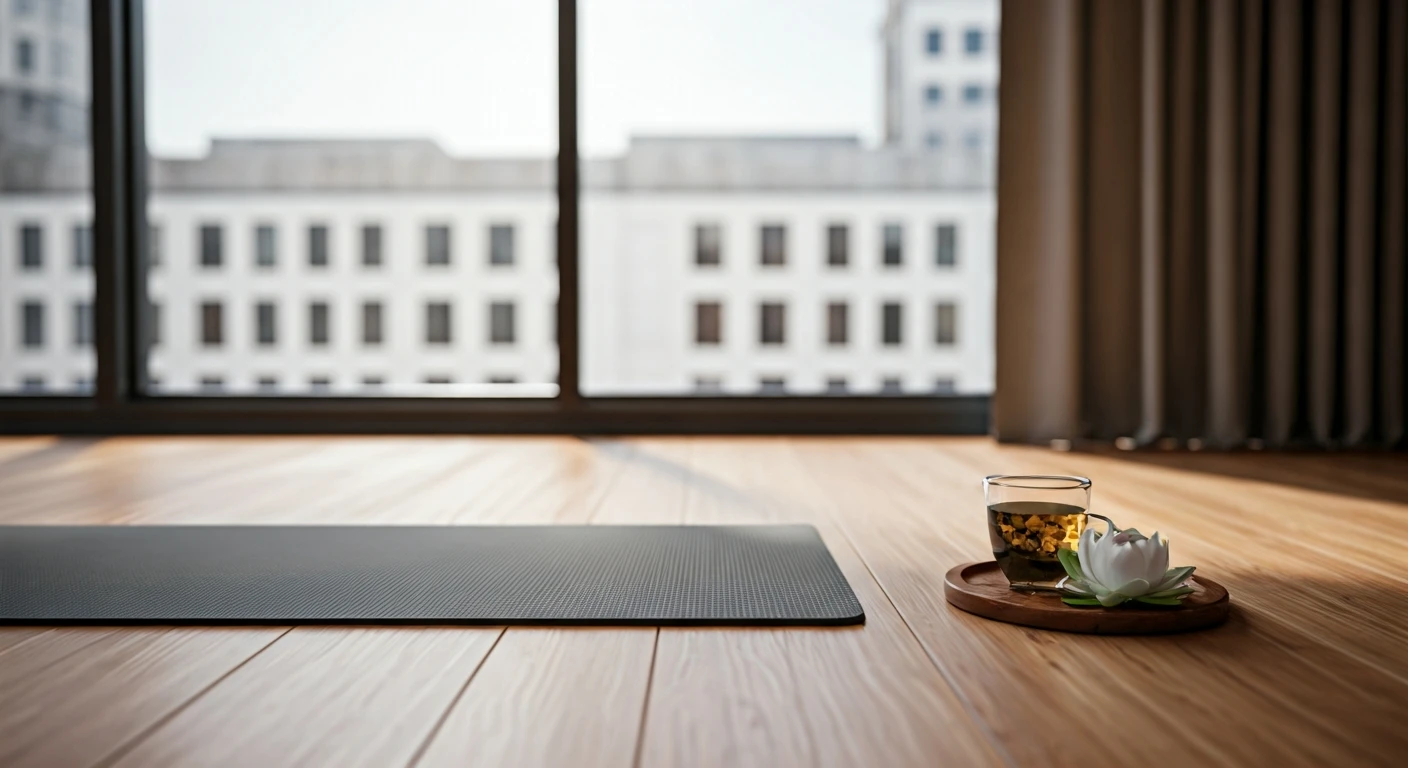
designed to promote relaxation and mental calm. Think of it as a personal 'recharge station.' In bustling Indian cities where space is often at a premium, this trend isn't about luxury but about reclaiming a piece of one’s home for mental and emotional well-being. It’s a direct response to the pressures of fast-paced urban living, providing a physical anchor for daily rituals of calm, whether that’s a five-minute breathing exercise, journaling, or simply enjoying a quiet cup of tea.
A Modern Twist on Ancient Principles
While the term 'wellness corner' is modern, its roots tap into long-standing Indian cultural and spiritual traditions. The emphasis on creating a harmonious living environment echoes principles found in Vastu Shastra, the traditional Indian system of architecture that’s akin to Feng Shui. Vastu often emphasizes the importance of designated spaces for certain energies and activities. Furthermore, practices like yoga and meditation, which have been central to Indian culture for millennia, are finding new expression in contemporary home design. A wellness corner provides a secular, modern-day altar not for worship, but for self-care. It’s a place where the ancient quest for inner peace meets the modern need to unplug and de-stress, blending traditional aesthetics with contemporary needs.
Find Your Foundation: Seating and Comfort
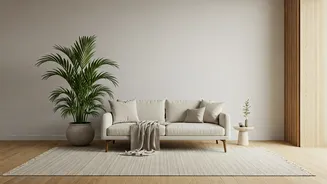
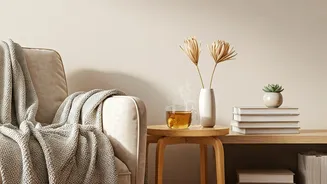
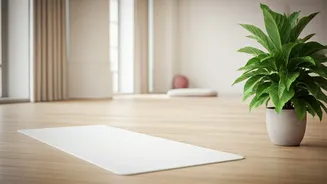
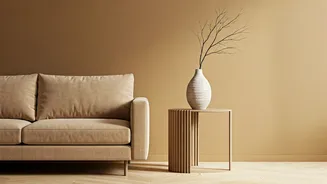
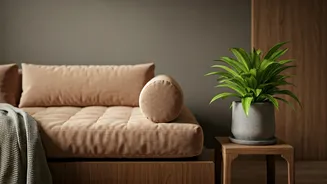
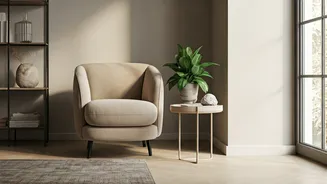
The heart of any wellness corner is comfortable, grounding seating. The goal is to create a spot where your body can physically relax, signaling to your mind that it’s time to unwind. This doesn't require a specific piece of furniture. For a minimalist, floor-based approach, a plush floor cushion, a soft mat, or a 'gaddi' (a traditional Indian cotton mattress) works beautifully. This low seating can encourage a more mindful posture. Alternatively, a single, comfortable armchair with good support and a soft throw blanket can be equally inviting. The key is that the seating should feel distinct from the rest of your furniture; it should be the piece you instinctively go to when you need a moment of peace.
Bring the Outdoors In with Natural Elements
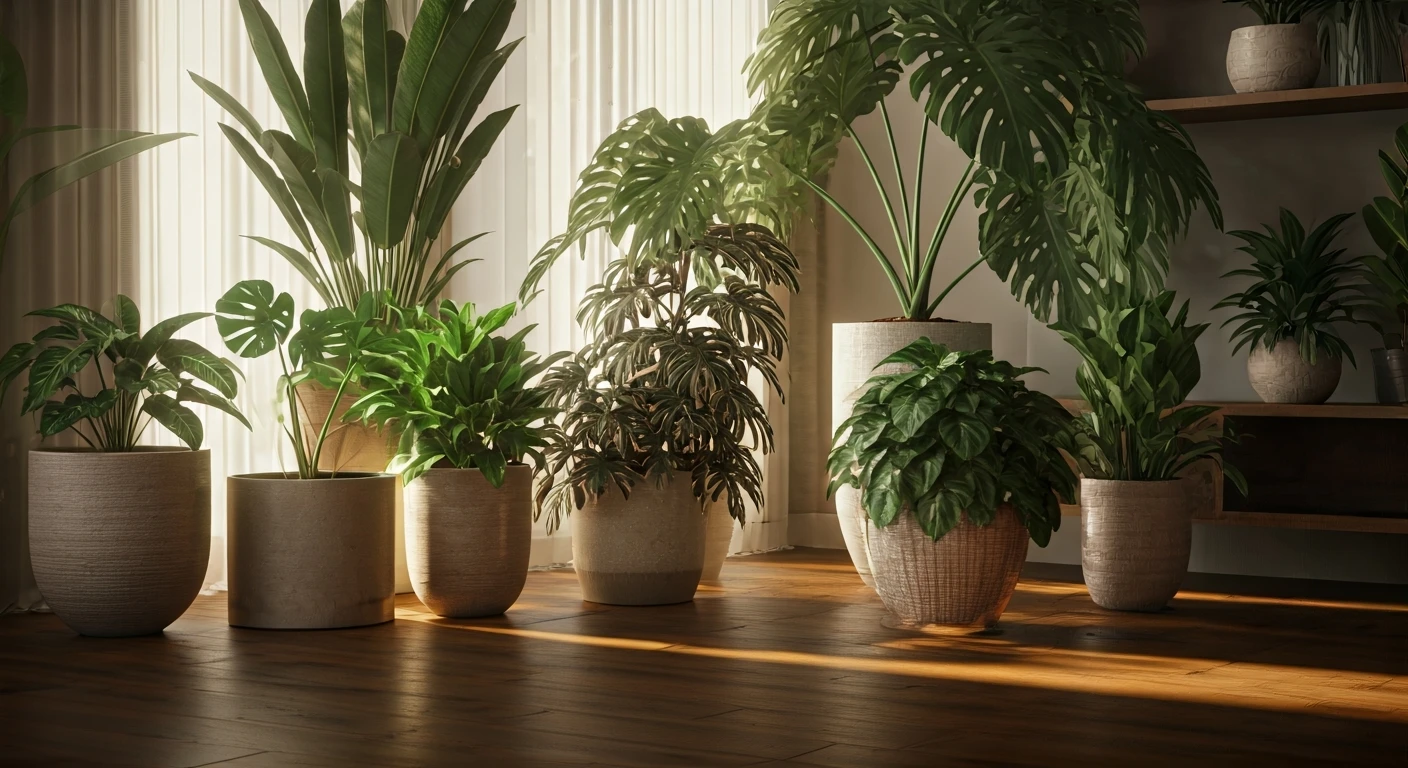
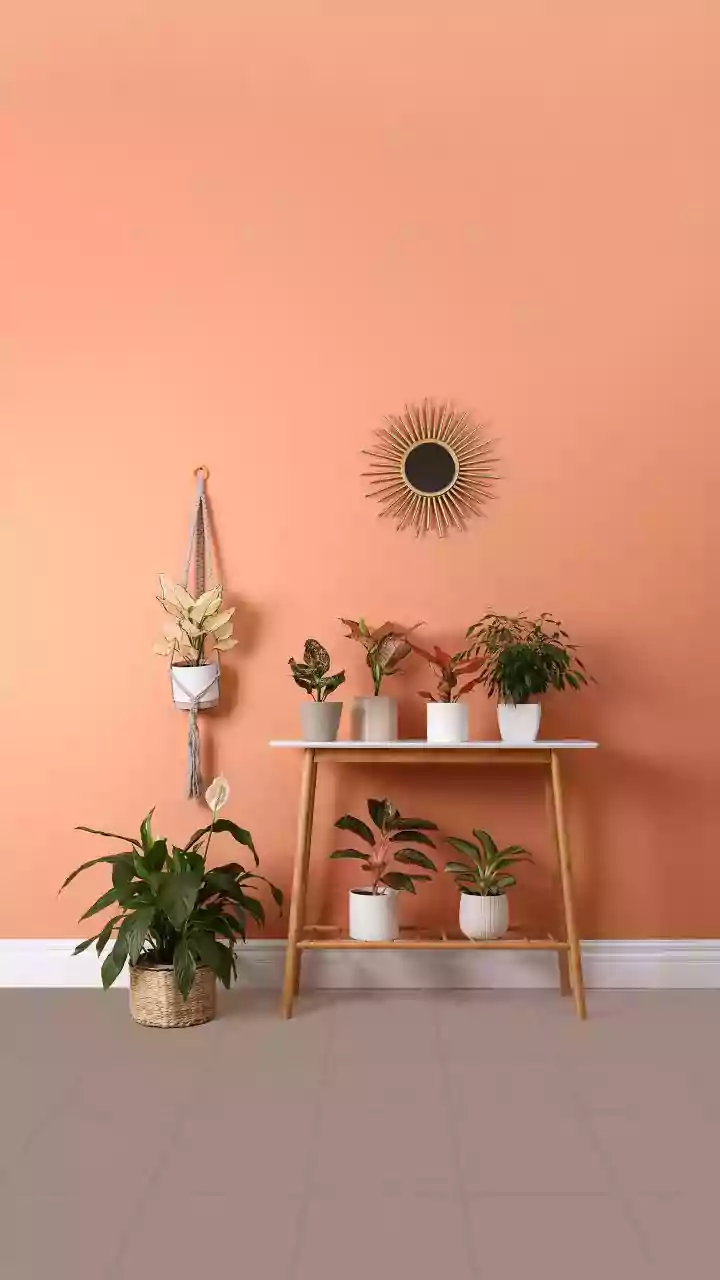
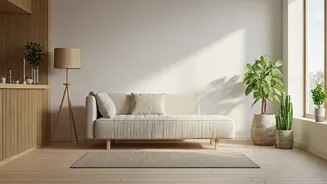
A connection to nature is fundamental to well-being. If your chosen corner is near a window with natural light, you’re already halfway there. Emphasize this by adding plants, which are known to purify the air and have a calming psychological effect. Low-maintenance options like snake plants, pothos, or ZZ plants are perfect. Beyond greenery, incorporate other natural materials to enhance the sensory experience. Think of a small wooden stool to hold a book, a side table made of reclaimed wood, or a collection of smooth stones or seashells in a bowl. These textures connect us to the world outside and provide a tactile sense of calm.
Engage the Senses (Gently)
A successful wellness corner appeals to more than just sight. Engage your other senses to create a fully immersive zone of tranquility. For scent, use an essential oil diffuser with calming oils like lavender, chamomile, or sandalwood. A single, high-quality scented candle or traditional incense can also set the mood. For touch, layer textures: a soft sheepskin rug underfoot, a velvet cushion, a chunky knit blanket. For sound, ensure the area is as quiet as possible. If you can't escape ambient noise, consider a small tabletop water feature or a curated playlist of calming music or nature sounds, accessible via a dedicated, non-distracting device.
Keep It Personal and Tech-Free
Finally, this space is yours alone. Personalize it with items that bring you joy and peace, but avoid clutter. This might include a few favorite books of poetry, a journal and a nice pen, a meaningful piece of art, or a photo that makes you smile. The most important rule? This is a no-phone zone. The wellness corner is an escape from digital notifications, endless scrolling, and the demands of the outside world. Its purpose is to help you connect with yourself, not your followers. Making it a designated tech-free area is the final step in truly consecrating the space for its intended purpose: a softer, quieter mood in your own home.