





The Great Furnace
For many Americans, summer means backyard barbecues and beach days. For hundreds of millions in India, it increasingly means facing life-threatening heat. In recent years, pre-monsoon heatwaves have become longer, hotter, and more frequent, a clear fingerprint
of a warming climate. Cities like Delhi, Mumbai, and Kolkata transform into urban furnaces, where the urban heat island effect—concrete and asphalt trapping and radiating heat—makes conditions even more punishing. Daily life grinds to a halt. Schools close, work hours shift, and the power grid strains under the demand from millions of air conditioners running simultaneously. It’s a relentless, suffocating heat that does more than just make people uncomfortable; it drives them to seek refuge by any means necessary.
Echoes of the British Raj
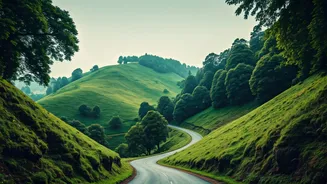
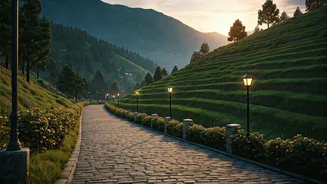
The desire to flee India’s summer heat for the cool of the mountains is not a new phenomenon. It’s a tradition with deep colonial roots. In the 19th century, British administrators, soldiers, and their families found the heat of the plains unbearable. Their solution was to create seasonal capitals in the lower Himalayas. These “hill stations,” like Shimla in the north (the official summer capital of British India) and Darjeeling in the east, were meticulously crafted to resemble idyllic English towns. With their Tudor-style cottages, manicured gardens, and Anglican churches, they were more than just retreats; they were projections of British power and cultural isolation. The annual migration of the entire government apparatus from Calcutta (and later Delhi) to Shimla was a massive logistical feat, cementing the hill stations’ status as elite enclaves of cool air and political influence.
The Modern-Day Exodus
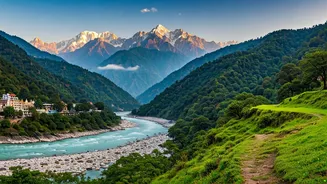
Today, that colonial infrastructure is being repurposed by a new empire: India’s burgeoning middle class. The annual escape to the hills is no longer the exclusive privilege of foreign rulers or the Indian elite. Thanks to rising disposable incomes, improved highways, and the proliferation of budget airlines and hotels, millions of ordinary Indians are now making the same journey. The destinations are the same—Shimla, Mussoorie, Nainital, Ooty, Manali—but the scale is vastly different. Social media feeds fill with images of misty mountains, pine forests, and steaming cups of chai, creating a powerful feedback loop of desire and aspiration. What was once a month-long seasonal migration for the British has become a frantic weekend dash for the modern Indian family seeking a brief respite from the scorching plains.
Paradise Under Pressure
This modern exodus, however, is pushing these fragile mountain ecosystems to their breaking point. The very charm that makes hill stations so tempting is being eroded by the sheer volume of visitors. The narrow colonial-era roads are now choked with hours-long traffic jams, a phenomenon locals sardonically call “the tourist-rush hour.” Water, a precious resource in the mountains, is often severely rationed during peak season, with hotels consuming the lion’s share while local residents face shortages. Unregulated construction mushrooms on steep, unstable slopes to meet the demand for more hotels and guesthouses, leading to deforestation and an increased risk of landslides. The mountains, once a symbol of pristine escape, are groaning under the weight of their own popularity, becoming victims of the very heat they offer refuge from.