




The ‘Better-for-You’ Revolution
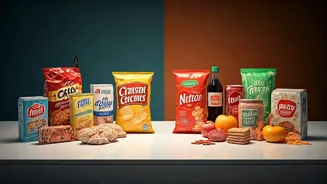
The change isn't about replacing every bag of potato chips with kale. Instead, companies like PepsiCo, Nestlé, and Kraft Heinz are executing a two-pronged strategy: reformulating their classics and acquiring or developing new, healthier brands. This means
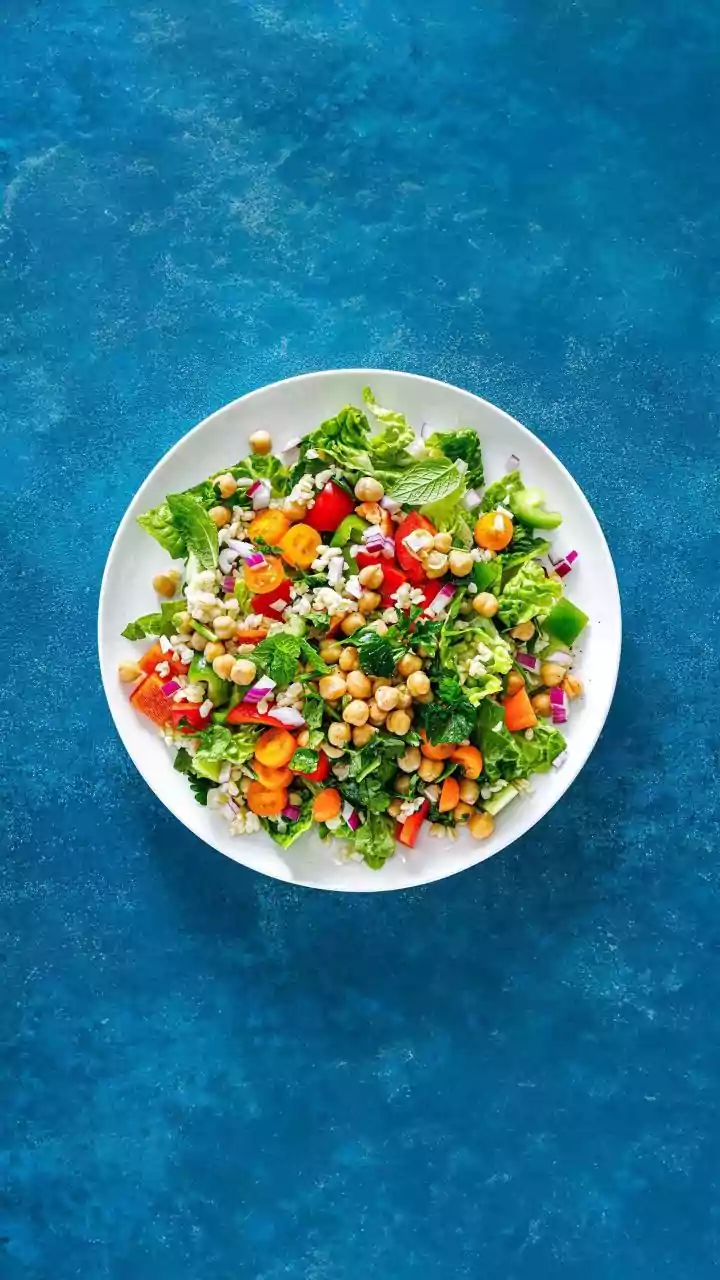
less sodium in your favorite soup, zero-sugar versions of iconic sodas that actually taste good, and baked or air-popped alternatives to fried snacks. You’ll also see a surge in plant-based offerings, from Impossible Whoppers at Burger King to new dairy-free Ben & Jerry's flavors. The goal is not to abandon the indulgent products that built their empires, but to create a 'better-for-you' portfolio that captures a wider range of consumers without sacrificing the convenience and flavor they expect.
Meet the New Boss: Gen Z and Millennials
For decades, food marketing was about taste, price, and convenience. Today, it’s about transparency and values. Millennial and Gen Z shoppers, who now hold significant purchasing power, are driving this shift. They read labels forensically, seeking 'clean' ingredients they can pronounce and shunning artificial colors, flavors, and preservatives. They are also the first generations to grow up with wellness as a core identity marker, valuing functional benefits—like protein, fiber, or probiotics—in their snacks. This isn't the low-fat, low-calorie dieting craze of the ‘90s; it's a holistic view of health where natural, minimally processed food is seen as superior. If a legacy brand wants to stay relevant for the next 40 years, it has no choice but to cater to this powerful demographic.
The Shadow of Regulation
Behind the scenes, boardrooms are haunted by the ghost of Big Tobacco. Food executives see parallels between the public health campaigns against smoking and the growing scrutiny of sugar, salt, and ultra-processed foods. Cities across the U.S. have successfully implemented soda taxes, and the FDA is continually updating nutritional labeling requirements to be more explicit. There is a palpable fear that federal-level sugar taxes or restrictions on marketing to children could become a reality. By proactively reducing sugar and sodium and investing in healthier products, companies are attempting to get ahead of regulators. It’s a defensive strategy meant to demonstrate self-governance and avoid the crushing litigation and public condemnation that crippled the tobacco industry.
It’s All About the Money
While public health is the outward-facing message, the ultimate driver is financial. Wall Street is rewarding this pivot. Investors are increasingly focused on ESG (Environmental, Social, and Governance) metrics, and a portfolio heavily weighted toward products linked to obesity is now seen as a long-term risk. Conversely, the health and wellness food market is exploding, with sales growth far outpacing that of traditional packaged goods. Acquiring a small, trendy kombucha or plant-based snack company can provide an immediate revenue boost and a halo of health for the parent corporation. For companies like Coca-Cola and PepsiCo, much of their recent growth hasn't come from their flagship sodas, but from bottled water, sports drinks, and other healthier beverage categories. The redesign isn't just good PR; it’s a fundamental business strategy for future growth.