





The Fabric Philosophy: Quick-Dry is King
In a monsoon climate, you will get wet. The secret isn't staying perfectly dry—it's drying off quickly. This starts with your clothing fabric. Your number one enemy is cotton. Once wet, cotton takes forever to dry, becomes heavy, and can even start to smell
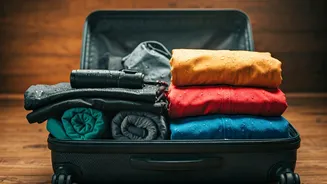
mildewy within hours. Instead, build your travel wardrobe around quick-drying synthetic fabrics like polyester and nylon, or the natural wonder of merino wool. These materials wick moisture away from your skin, stay light when damp, and can air dry in a hotel room overnight. Pack two or three synthetic t-shirts or tops, one pair of quick-dry travel pants or shorts, and merino wool socks. You’ll do more laundry, but you’ll carry a fraction of the weight and be infinitely more comfortable.
Rethink Your Rain Shell
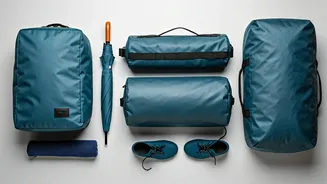
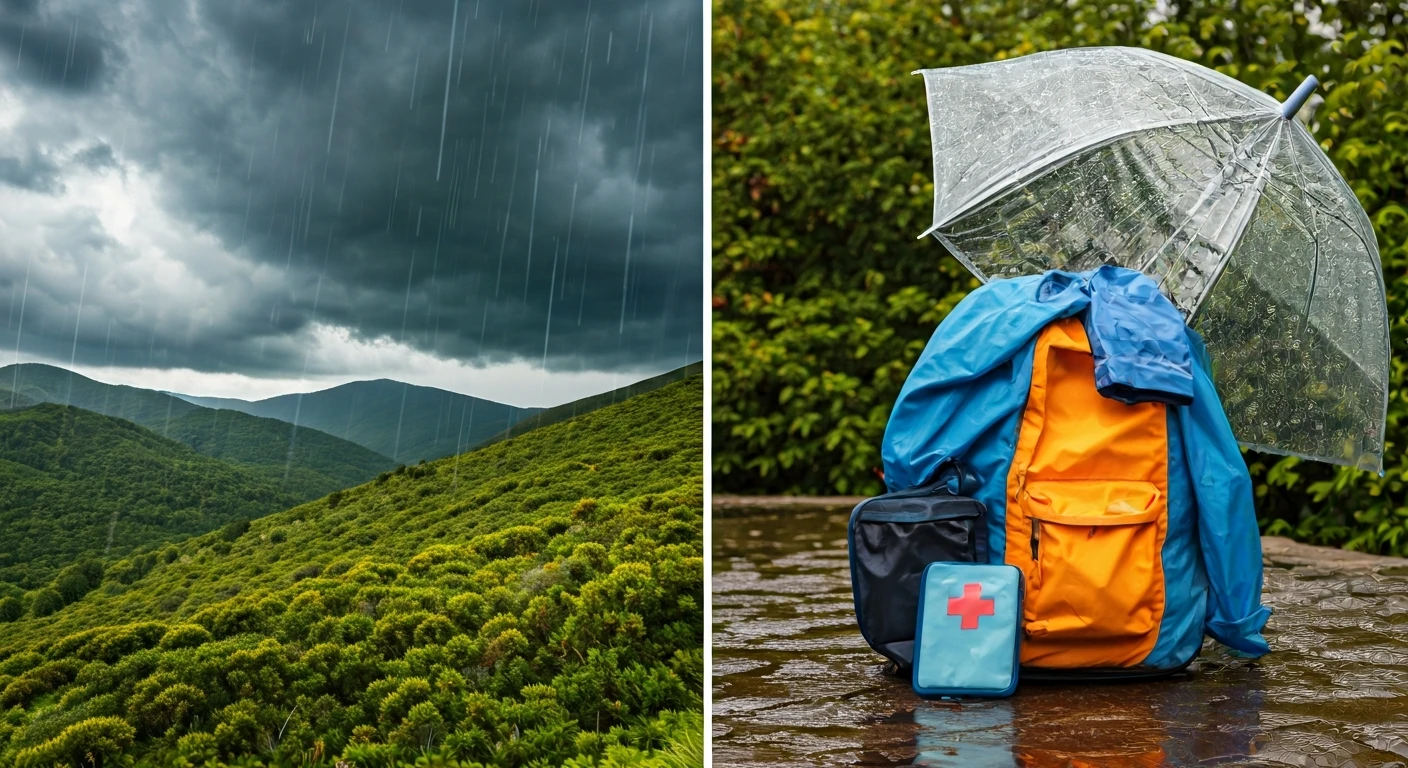
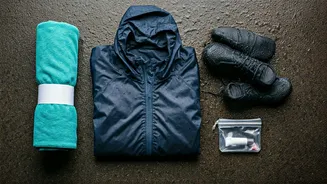
That thick, heavy raincoat you use for winter storms? Leave it at home. In a humid, tropical environment, a non-breathable jacket will leave you just as wet from sweat on the inside as the rain would on the outside. The key is a lightweight, *breathable* rain shell. Look for jackets made with technologies like Gore-Tex Paclite or similar proprietary fabrics that block water droplets from coming in but allow water vapor (your sweat) to escape. A good shell should pack down to the size of an apple. Also, consider a small, high-quality travel umbrella. While a jacket is essential for active moments, an umbrella is perfect for short city strolls between cafes or shops, keeping your whole upper body and even a small daypack dry without making you overheat.
The Smart Footwear Strategy
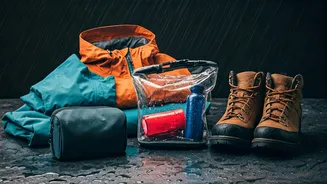
Heavy, waterproof hiking boots seem like a logical choice, but they can be a major liability. Once water gets over the top—which it will in a serious downpour or a flooded street—they become tiny bathtubs for your feet, taking days to dry out. A better strategy is to embrace the idea that your feet will get wet and opt for footwear that dries fast. Consider a pair of sturdy, open-toed sandals with good traction (like those from Keen or Chaco) for city walking. For more rugged trails, a pair of non-waterproof trail runners with mesh uppers is an excellent choice. They will drain instantly and dry out much faster than their waterproof counterparts. Your feet might be wet during the downpour, but they’ll be dry an hour later.
Protect Your Valuables with Dry Sacks
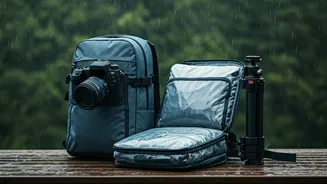
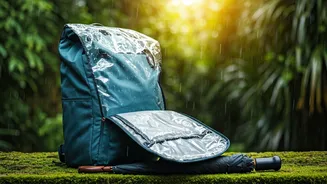
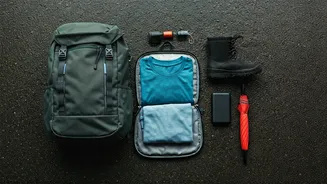
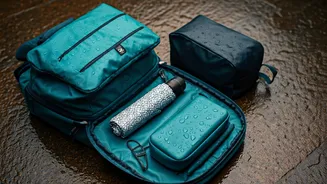
A 'water-resistant' backpack is not waterproof. In a sustained monsoon downpour, water will eventually find its way in. The only surefire way to protect your electronics, passport, and extra clothes is to compartmentalize with dry sacks. These are lightweight, waterproof bags with a roll-top closure. Get a few in different sizes. Use a small one for your passport, phone, and wallet. Use a medium one for your camera or other electronics. Use a large one as a complete pack liner or for the bulk of your clothes. This system not only guarantees your essentials stay bone-dry but also helps organize your pack. It’s an inexpensive piece of gear that can save you hundreds of dollars and a world of heartache.
The Luggage That Forces Discipline
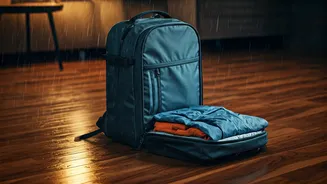
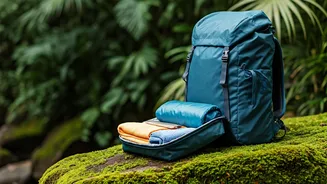
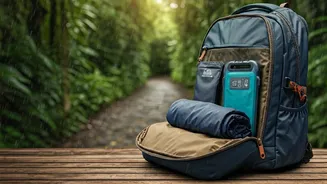
Finally, the bag itself is your best tool for enforcing a light-packing mentality. Ditch the giant 70-liter pack or large rolling suitcase. You’ll be miserable dragging a roller bag through puddles and down uneven streets, and a giant pack just invites you to fill it with things you don't need. Opt for a travel backpack in the 30-45 liter range. This size is typically carry-on compliant, saving you airport fees and hassles. More importantly, its limited space forces you to be ruthless in your packing choices. When you physically cannot add another 'just-in-case' sweater, you learn to rely on the versatile, lightweight items you’ve chosen. This is the ultimate secret to saving your shoulders—carrying less weight from the very start.