








A New Generation of Indian Traveler
The first thing to understand is that the profile of the Indian tourist is undergoing a massive transformation. For decades, the stereotypical Indian trip to Europe was a whirlwind, multi-country tour organized for a large family group, often hitting
the major landmarks in just a few days. That model still exists, but it's being eclipsed by a new cohort: young, digitally native, and often traveling solo or with a small group of friends. This demographic, typically aged 20-35, isn't just looking to see the Eiffel Tower; they're looking to *experience* the city. They want to meet other travelers, explore local neighborhoods, and immerse themselves in the culture—a mindset perfectly suited to the social, community-driven environment of a modern hostel.
The Economics of Aspiration
This cultural shift is powered by a simple economic reality: India’s rapidly expanding middle and upper-middle class. With rising disposable incomes, international travel is no longer a once-in-a-lifetime luxury but an attainable annual goal for millions. For a young professional in India, a two-week trip to Europe is now financially viable, especially if they opt for budget-friendly accommodations. Hostels, which can cost a fraction of a hotel room, make the entire continent accessible. This isn't just about being cheap; it's about being smart. By saving on lodging, these travelers can spend more on experiences, from museum-hopping in Amsterdam to taking a cooking class in Rome, maximizing the value of their trip.
Instagram-Fueled Wanderlust
You can't talk about modern travel without talking about social media. For young Indians, platforms like Instagram and YouTube are not just for sharing photos; they're the primary tools for travel discovery and planning. Decades of Bollywood films set in the Swiss Alps created a baseline of European aspiration. Today, Indian travel influencers are showcasing a different kind of European trip—one that’s more authentic, adventurous, and centered on the very 'vibe' that hostels cultivate. A curated photo in a chic hostel lobby or a Reel of a pub crawl organized by the front desk becomes powerful, word-of-mouth marketing. Travelers aren't just booking a bed; they're booking the backdrop for a story they want to tell online, and hostel chains have become very good at providing it.
Hostels Get a Major Glow-Up
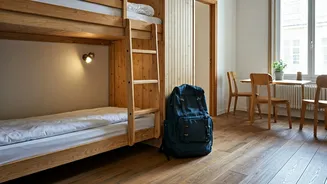
This trend wouldn't be possible if hostels were still the dingy, no-frills dormitories of the past. Major European chains like Generator, a&o, and St Christopher’s Inns have invested heavily in becoming “design-led” or “lifestyle” accommodations. They are, in essence, hotels with bunk beds. These modern hostels, often called 'poshtels,' offer a compelling mix of affordability and amenities. Think rooftop bars with panoramic city views, on-site co-working spaces for digital nomads, private room options, and professionally organized social events. This hybrid model removes the perceived downsides of backpacking while retaining the social upsides, making it the perfect fit for a discerning but budget-conscious Indian traveler who values both comfort and community.
Smarter Booking and Easier Visas
Finally, the logistical hurdles have shrunk significantly. The widespread adoption of online travel agencies (OTAs) like Hostelworld and Booking.com has made it incredibly easy to compare, review, and book hostels from a smartphone in India. The process is transparent and secure, removing a major point of friction. Furthermore, while still a process, securing a Schengen visa has become more streamlined and predictable for many Indian applicants. The combination of easy booking and more accessible visas has unlocked the European travel market for a generation that is eager to explore it on its own terms.