


The New ‘Root-to-Fruit’ Mentality
For years, the gold standard in conscientious cooking was ‘nose-to-tail’—using every part of the animal. That philosophy has since migrated to the garden with ‘root-to-stem,’ a movement encouraging us to cook with beet greens, carrot tops, and broccoli
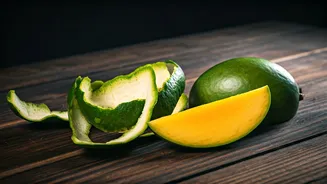
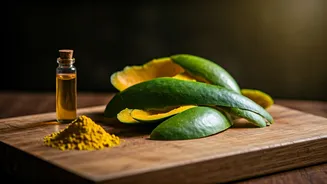
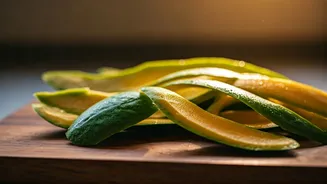
stalks. Now, we’re entering the ‘root-to-fruit’ era, and the mango peel is its unofficial mascot. This isn't just about reducing food waste, though that’s a huge part of its appeal. It's about a fundamental shift in perspective: viewing every part of an ingredient as an opportunity for flavor. Chefs and adventurous home cooks are discovering that the parts we've been conditioned to discard often hold complex, exciting tastes that can elevate a dish from predictable to unforgettable. The mango peel, with its unique aromatic compounds, is a perfect example of this hidden potential.
So, What Do They Taste Like?
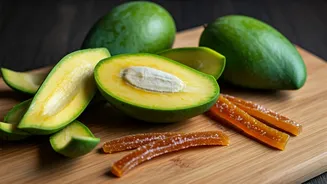
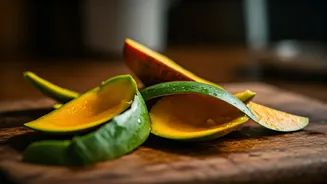
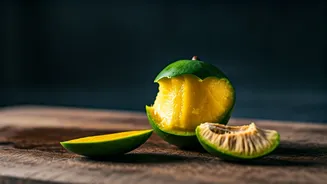
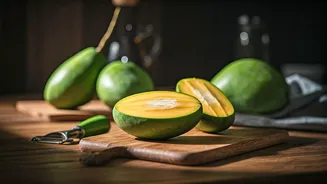
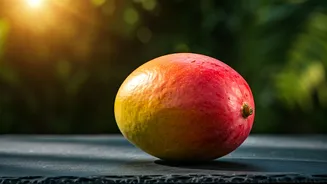
Before you dive in, let’s manage expectations. A mango peel does not taste like a mango. Forget the super-sweet, juicy flesh. The skin is a different beast entirely. Its flavor profile is often described as more floral, slightly piney, and with a pronounced citrusy bitterness, almost like a grapefruit peel or a makrut lime leaf. The texture is key, too. Raw peels from common U.S. varieties like the Tommy Atkins are tough and fibrous. Eating it straight would be like chewing on a piece of fragrant leather. The trick isn't to eat it like an apple skin, but to use it as a powerful flavoring agent. The bitterness can be a welcome counterpoint in sweet dishes, while its floral notes can add an incredible aromatic layer to drinks and sauces. The variety matters, too; thinner-skinned mangoes like the Ataulfo (or honey mango) offer a more tender and less tannic experience.
A Quick but Crucial Word on Safety
This is the most important part: you can't just use any old mango peel. Conventional mangoes are often treated with pesticides, which concentrate on the skin. Furthermore, they may be coated in a food-grade wax for preservation. For these reasons, you should only use peels from organic, unwaxed mangoes. Even with organic fruit, a thorough wash is non-negotiable. Scrub the mango well under running water before you peel it. There's also a small but real allergy risk. Mangoes belong to the same plant family as poison ivy and poison oak. They contain urushiol, the same compound that causes the infamous rash. While the concentration is much higher in the plant's sap and stem, trace amounts can be in the skin. If you have a known sensitivity to poison ivy or have experienced a reaction to cashews (also a relative), it’s best to steer clear.
Your Raw Peel Starter Kit
Ready to experiment? Forget complex recipes and start by treating the peel as a potent aromatic. Here are a few simple ways to get started:
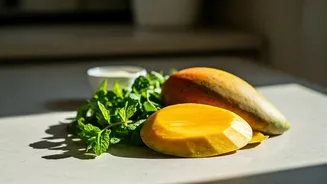
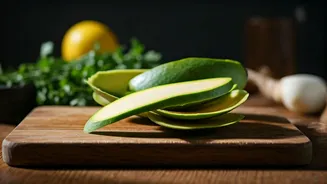
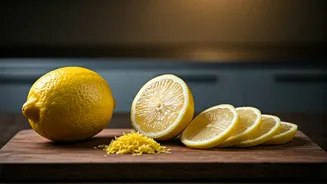
1. Make Mango Peel 'Zest': Use a microplane to grate the washed, organic peel over salads, grilled fish, or yogurt. It adds a bright, bitter, floral note, much like citrus zest.
2. Infuse a Vinegar: Add a clean strip of peel to a bottle of white wine vinegar or apple cider vinegar. Let it infuse for a week, then strain. The result is a uniquely aromatic vinegar perfect for summer vinaigrettes.
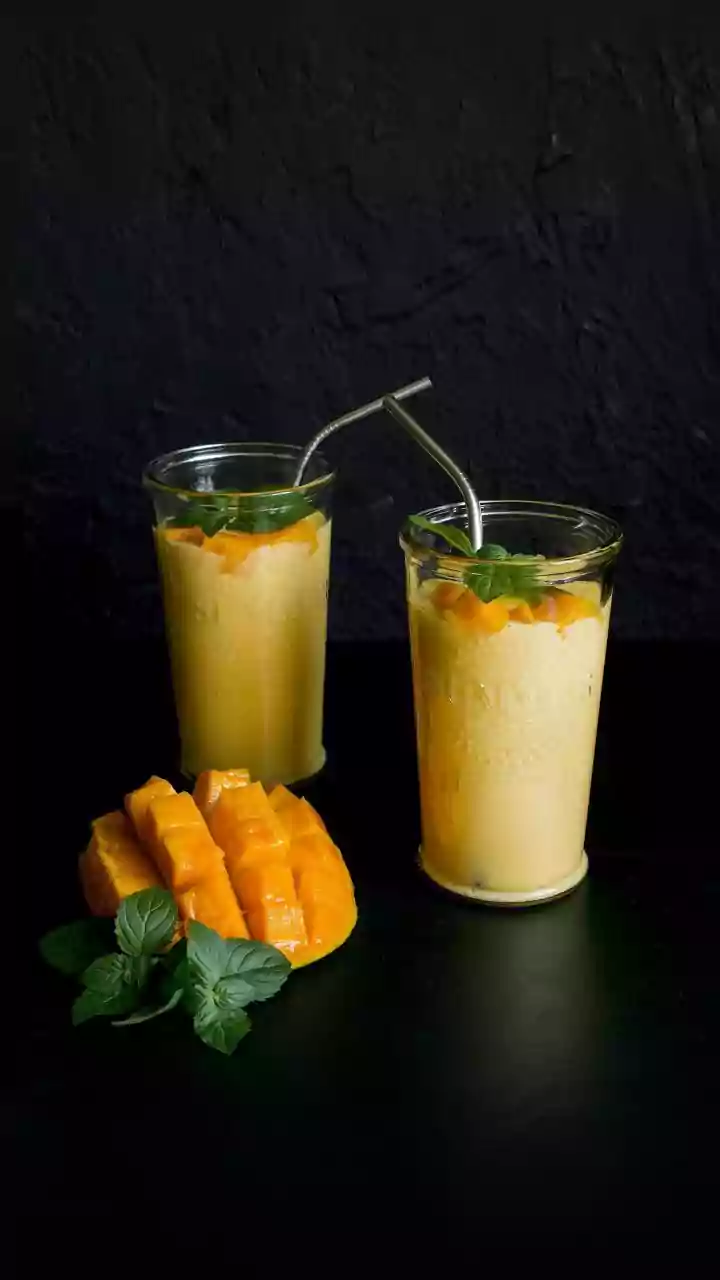
3. Blend It into Smoothies: If you have a high-powered blender, you can add a small piece of the peel (start with a 1-inch square) to your tropical smoothie. It will add a layer of complexity and a boost of fiber and antioxidants to cut through the sweetness.
4. Create a Quick Pickle: Thinly slice the peel and quick-pickle it with vinegar, sugar, salt, and spices like chili flake and star anise. After a day in the fridge, these pickles are a fantastic tangy, crunchy addition to tacos or grain bowls.